Selection (items: 0)
| Product | Details | Total |
|---|---|---|
|
Save
|
Secure purchases via SSL data encryption
Exhibitions Archive: The Abstract Evolution of Felipe Peña
Welcome to the comprehensive archive of exhibitions by Felipe Peña, a digital space dedicated to showcasing the artist’s visual journey through abstract painting and deep philosophical inquiry.
This section serves as your definitive guide to all curated shows, past and future, which are fundamentally centered on the exploration of the present moment, consciousness, and abstract language. Each art exhibition is more than a collection of paintings; it is a meticulously crafted visual journey toward the essential, where the conventional constraints of time are suspended, and the abstract art actively invites profound internal reflection and self-inquiry.
Concept, Process, and the Plastic Universe
Here, you are invited to discover the full scope of the artist’s output:
Unique Artworks: Explore the finalized abstract works and unique pieces that defined each specific art show.
Creative Processes: Gain privileged insight into the creative process and the methodological evolution behind the abstraction.
Curatorial Concepts: Understand the core curatorial concepts that shape the narrative and the emotional tenor of every exhibition.
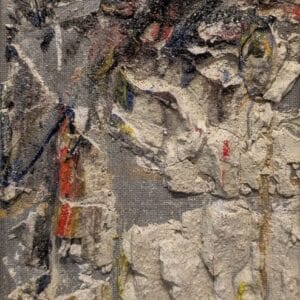
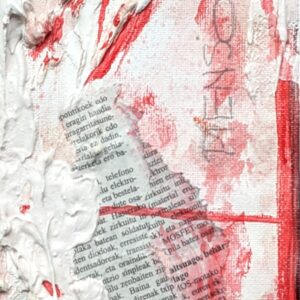
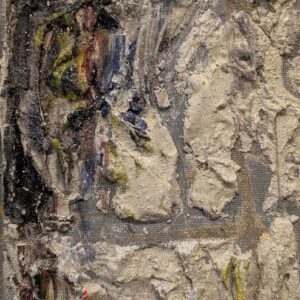
The archive traces the development of Felipe Peña as an artist in constant transformation. From the groundbreaking immersion of the INHALA exhibition—a seminal exploration of breath and presence—to the unfolding concepts of future series, this collection charts a distinct path in contemporary abstract art. We highlight the plastic universe that surrounds each expository proposal, revealing the deliberate choices of material, texture, and form.
Optimizing Your Abstract Art Experience
We believe that accessing fine art should be an experience as refined as visiting a physical gallery. Whether you are a collector, a curator, or simply an abstract art enthusiast, this archive is optimized to facilitate your discovery.
By focusing on keywords like “contemporary abstract exhibitions,” “mindful art,” and “non-representational painting,” we ensure that those seeking meaningful, introspective artwork find their way to this dedicated space. Dive into the world where language dissolves and the silent communication of the abstract canvas takes hold, marking the evolution and continued search of a powerful voice in contemporary art.
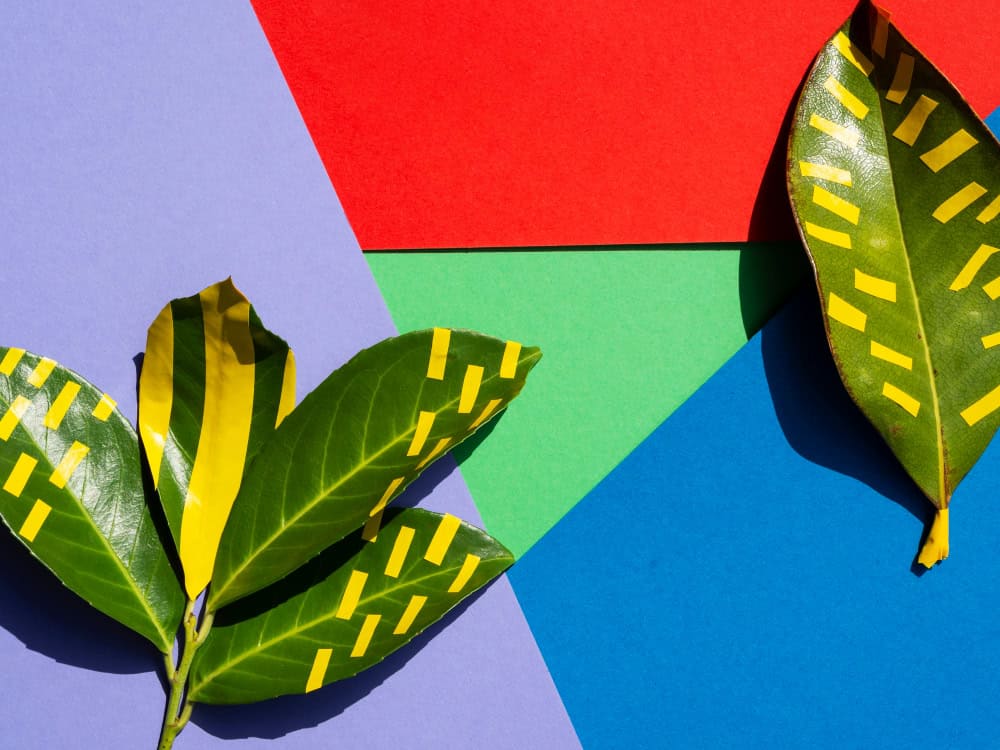
Combining colors and patterns effectively transforms walls or canvases into visually captivating artwork. Professionals consider contrast, harmony, and scale when mixing bold and subtle hues or geometric and organic patterns. Proper balance ensures that designs are striking without appearing chaotic. Techniques such as layering colors, repeating motifs, or creating focal points with accent shades add…
Selecting the right painting medium is crucial for achieving desired results. Acrylics, oils, watercolors, and mixed media each offer unique properties, textures, and drying times. Acrylics are versatile and fast-drying, ideal for beginners and large projects. Oils provide rich blending and depth, while watercolors deliver transparency and fluidity. Professional painters consider surface type, project scale,…
Realistic painting requires precise brushwork and careful observation. Techniques such as layering, dry brushing, stippling, and glazing enable artists to replicate textures, light, and shadow accurately. Understanding brush pressure, angle, and stroke length is essential for achieving lifelike effects. Colors must be blended gradually, using subtle transitions to replicate natural gradients and tonal variations. Professionals…
Selecting the right paint colors is essential to creating the perfect ambiance in any room. Color impacts mood, perception of space, and the overall feel of interiors. Warm tones such as reds and yellows energize rooms, while cool shades like blues and greens promote calmness and relaxation. Professional painters evaluate lighting, room size, and existing…
Texture is one of the most effective ways to make a painting visually engaging. Techniques like impasto, stippling, and palette knife strokes create tactile interest, giving artwork depth and movement. Even subtle variations on smooth surfaces can catch light differently, adding dimension and richness. Different tools, from brushes to sponges, offer unique textural effects. Layering…
Layering colors is a powerful technique that adds depth, vibrancy, and visual interest to paintings. By applying thin, transparent layers, artists can build rich tones, enhance textures, and create subtle gradients that make artwork come alive. Beginners should start with light washes, gradually adding intensity and contrast for a professional finish. Understanding how colors interact…
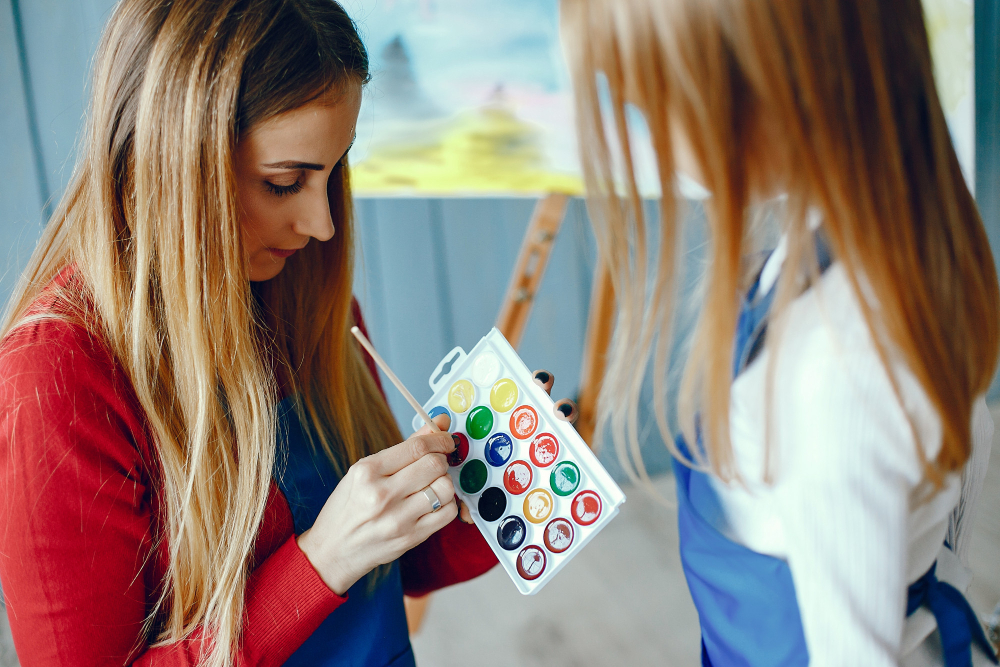
Color psychology can transform the atmosphere of a space and influence emotions. Warm colors like red, orange, and yellow evoke energy, passion, and warmth, while cool colors like blue, green, and violet create calmness, serenity, and focus. Understanding how color affects mood is essential for both interior design and art. Professional painters consider color harmony,…
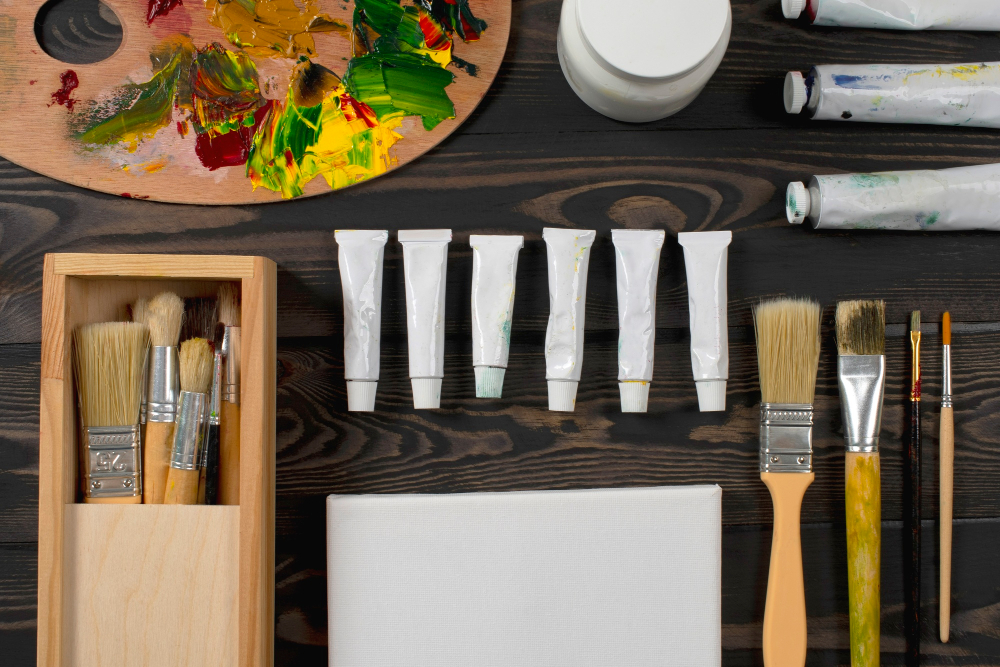
Every painter needs the right tools to succeed. Brushes, palette knives, sponges, and rollers each serve specific purposes. High-quality brushes ensure precise lines, smooth blending, and consistent texture. Palette knives create bold, textured strokes that add dimension and character. Other essential tools include paint trays, easels, and mixing palettes, which provide structure and convenience. Proper…
Light is one of the most powerful elements in painting. Understanding how light interacts with objects can bring depth, drama, and realism to your artwork. Highlights and shadows create a three-dimensional effect, making scenes feel alive. Painters use techniques like chiaroscuro, glazing, and contrast layering to control light intensity and direction. The choice of colors…
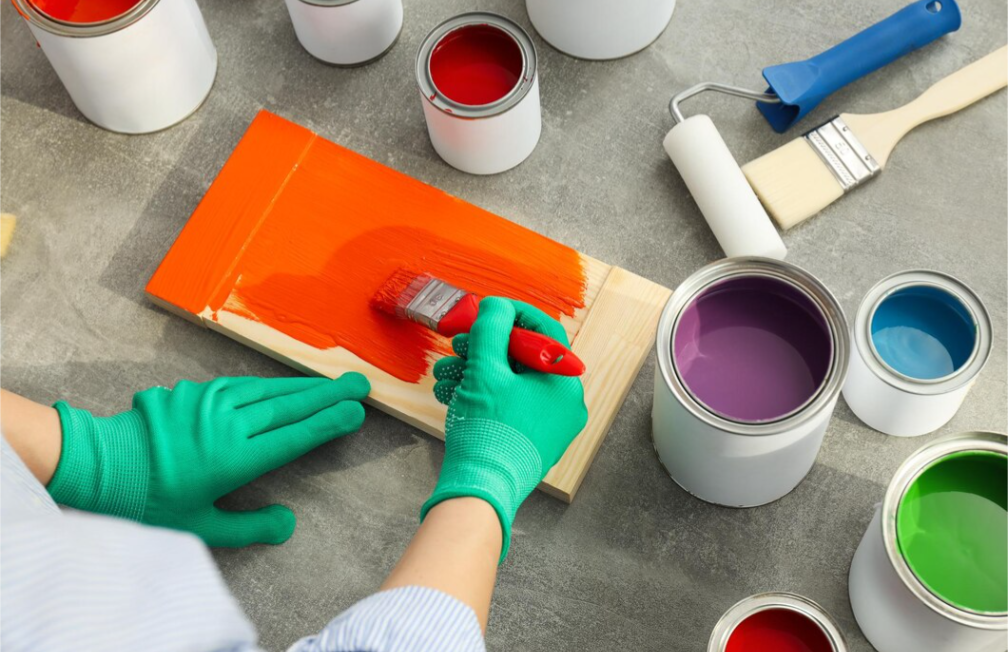
Painting can be enjoyable, but safety is essential for successful outcomes. Always work in well-ventilated areas, especially when using oil paints, solvents, or strong primers. Wearing protective gear, such as gloves, masks, and eyewear, prevents irritation or inhalation of harmful chemicals. Proper storage of paint, brushes, and cleaning agents reduces risks and ensures durability of…