The-7-Train
An exploration of New York’s identity through industrial textures and urban tonalities. This exhibition distills the material language of the city, revealing subtle tensions, solitude, and emotional undercurrents embedded within its spaces.
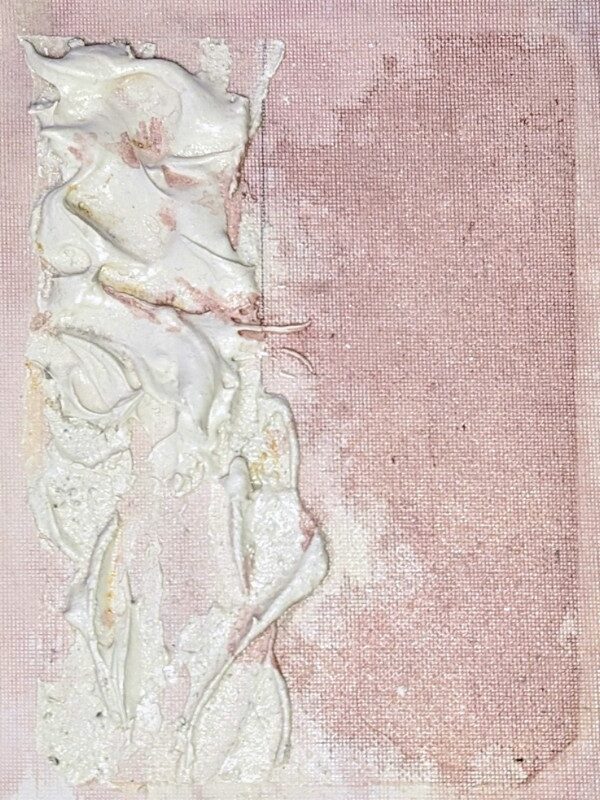
Serie 01
8 x 11 in
Acrylic and plaster impasto
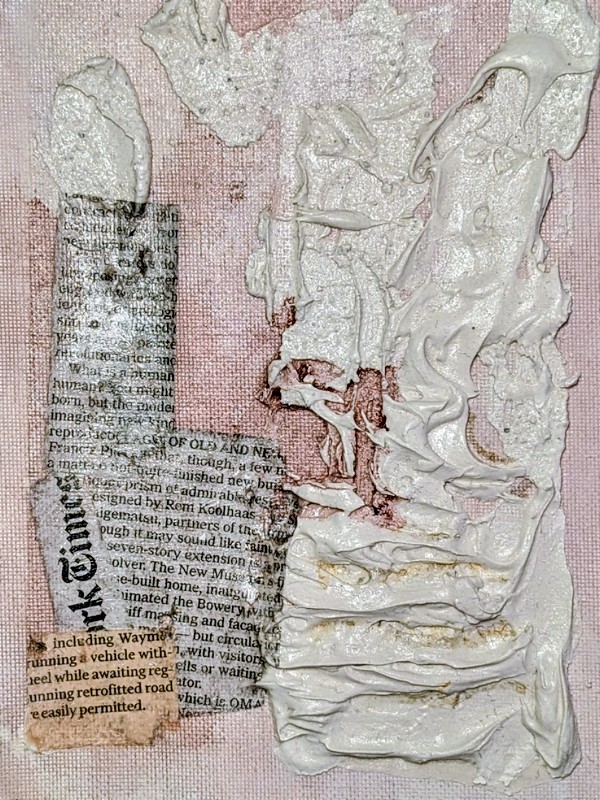
Serie 01
8 x 11 in
Acrylic, paper and plaster impasto
About the Series: “Architectural Solitude / Series 01”
This series serves as a visceral exploration of the New York City skyline, not as a postcard, but as a psychological landscape. By blending the fleeting nature of newsprint with the permanence of plaster and acrylic, the artist captures the duality of the urban experience: the crushing weight of its architecture and the profound loneliness of the individual within it. These are not just paintings; they are structural icons that challenge our perception of scale and materiality in the modern age.
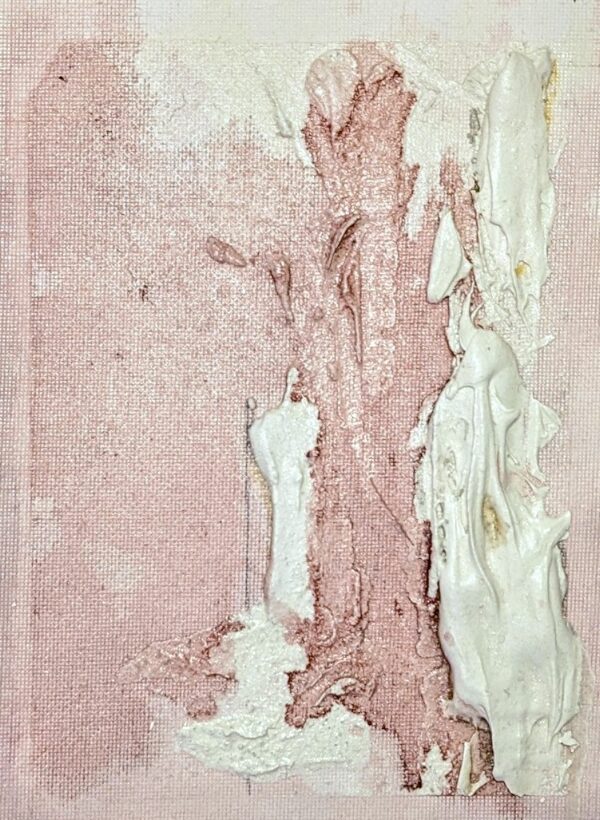
Serie 01
8 x 11 in
Acrylic and plaster impasto
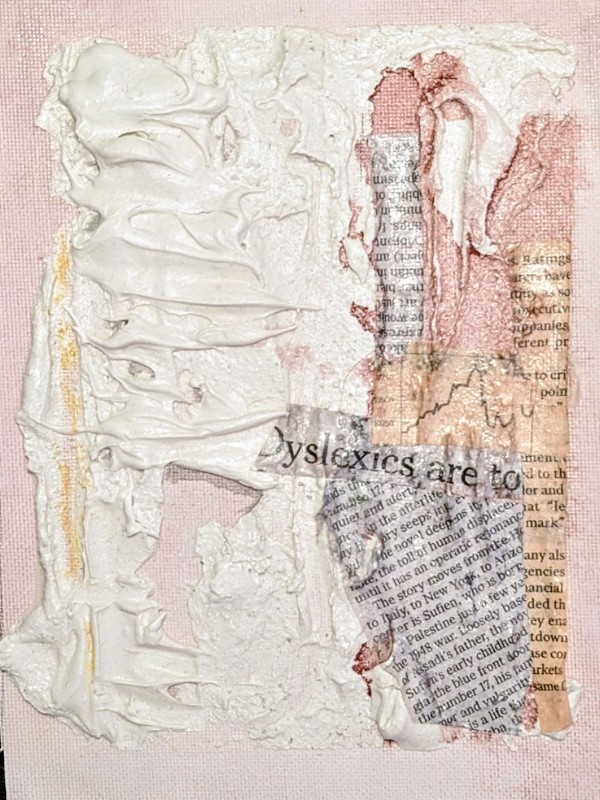
Serie 01
8 x 11 in
Acrylic, paper and plaster impasto
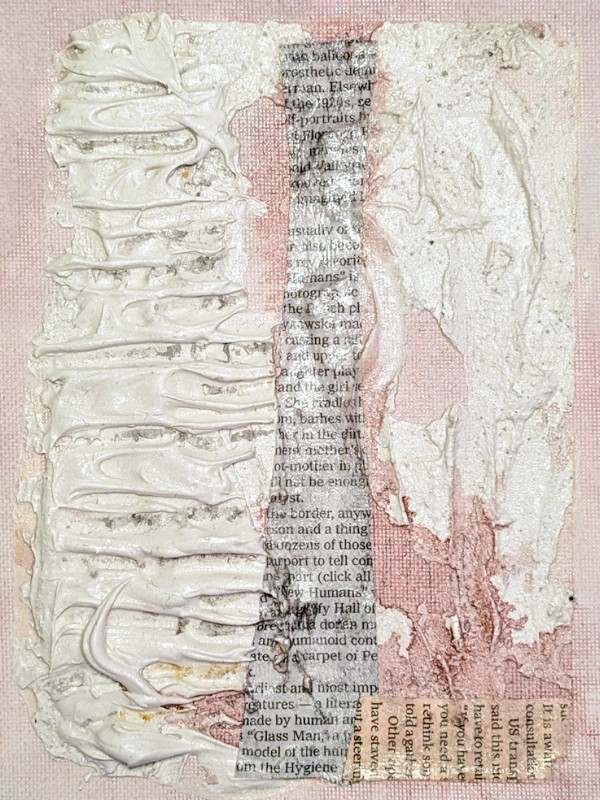
Serie 01
8 x 11 in
Acrylic, paper and plaster impasto
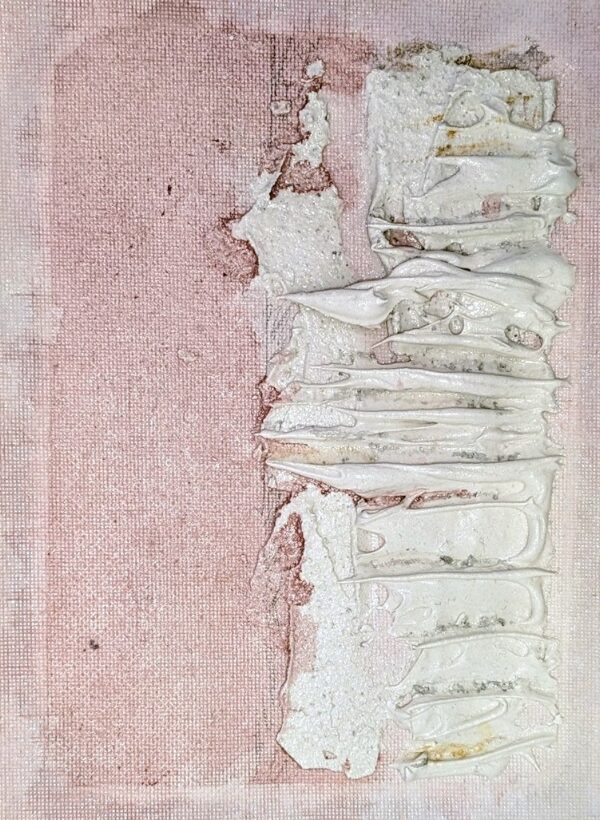
Serie 01
8 x 11 in
Acrylic and plaster impasto
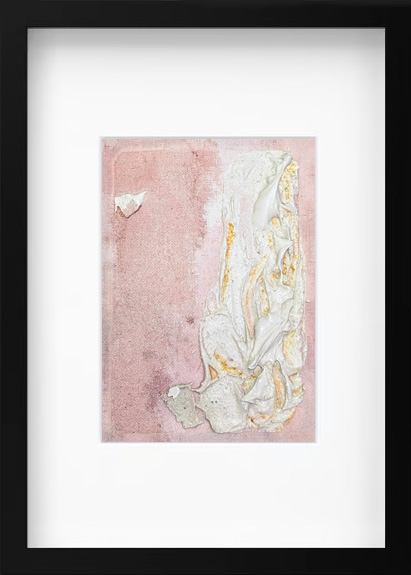
Serie 01
8 x 11 in
Acrylic and plaster impasto
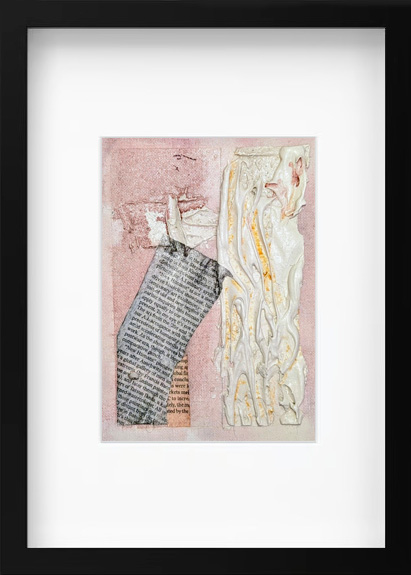
Serie 01
8 x 11 in
Acrylic, paper and plaster impasto
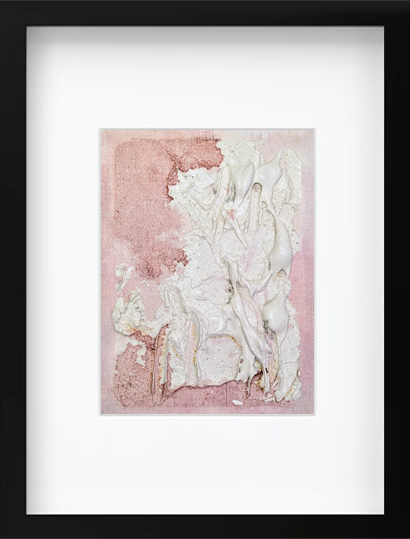
Serie 01
8 x 11 in
Acrylic and plaster impasto
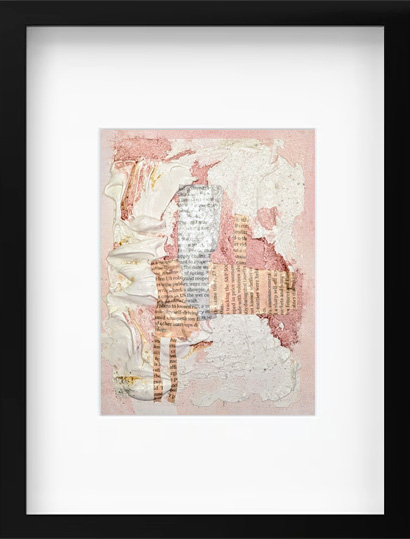
Serie 01
8 x 11 in
Acrylic, paper and plaster impasto
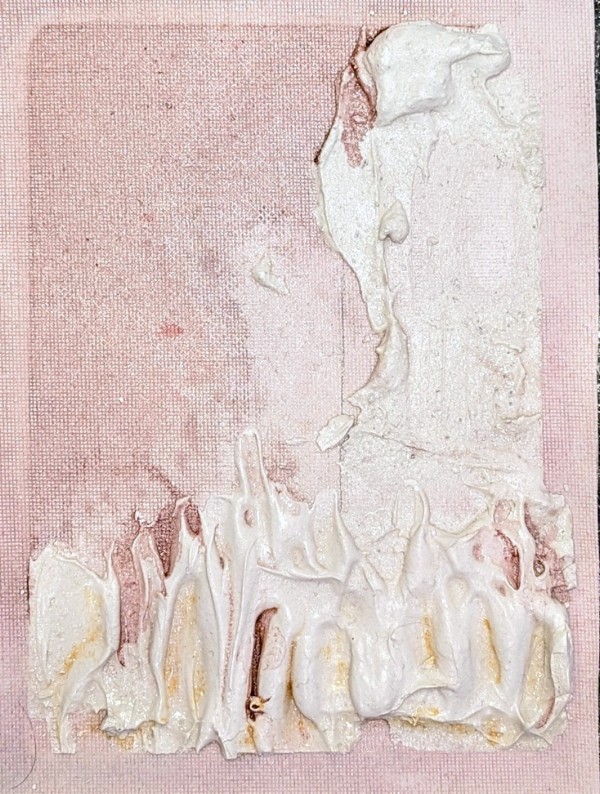
Serie 01
8 x 11 in
Acrylic and plaster impasto
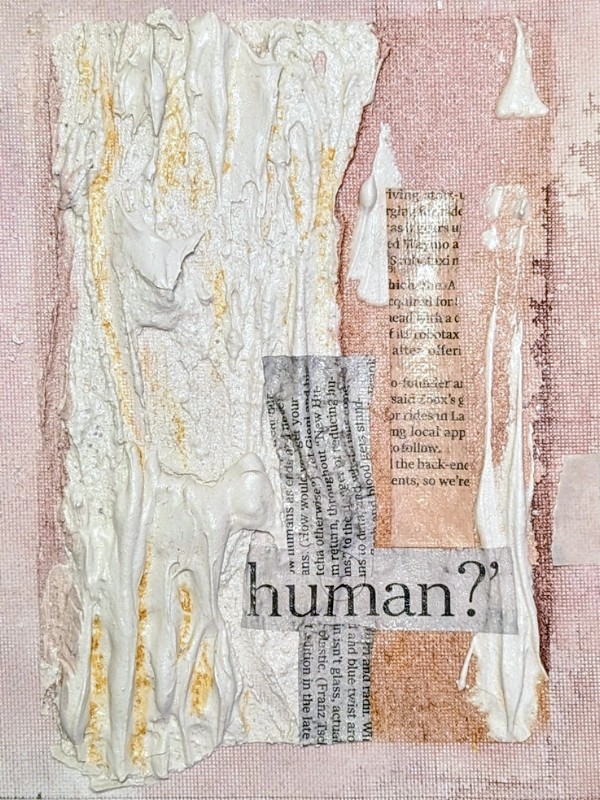
Serie 01
8 x 11 in
Acrylic, paper and plaster impasto
About Series 02: “Urban Scars”
This series moves deeper into the material memory of New York. While Series 01 focused on the immense scale, Series 02 explores the textures of decay and the resilience of the structures that remain. These works act as a bridge between the physical city and the emotional isolation of its inhabitants, turning the news of the day into the stone of tomorrow.
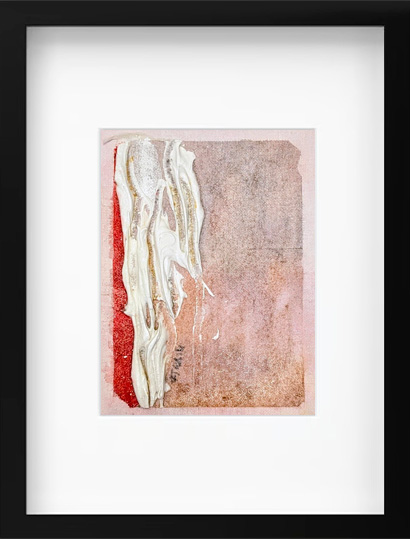
Serie 02
8 x 11 in
Acrylic and plaster impasto
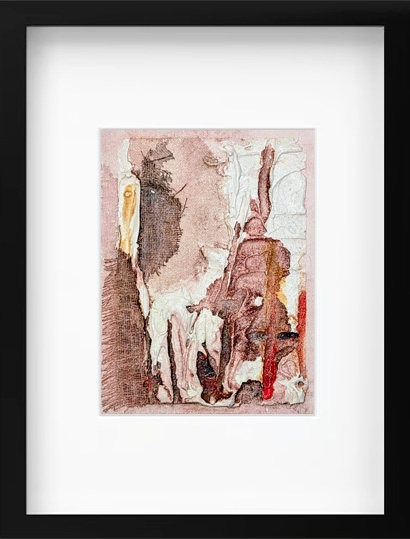
Serie 02
8 x 11 in
Acrylic, meshc and plaster impasto
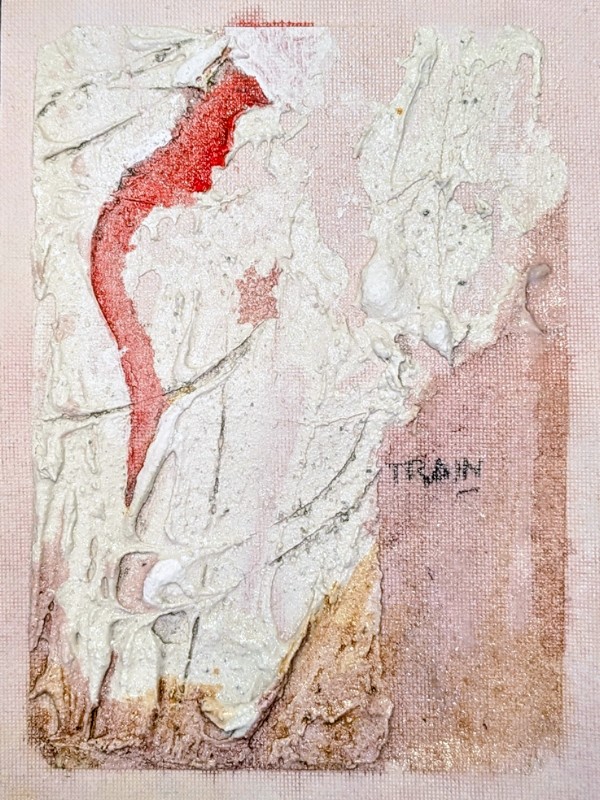
Serie 02
8 x 11 in
Acrylic, paper and plaster impasto
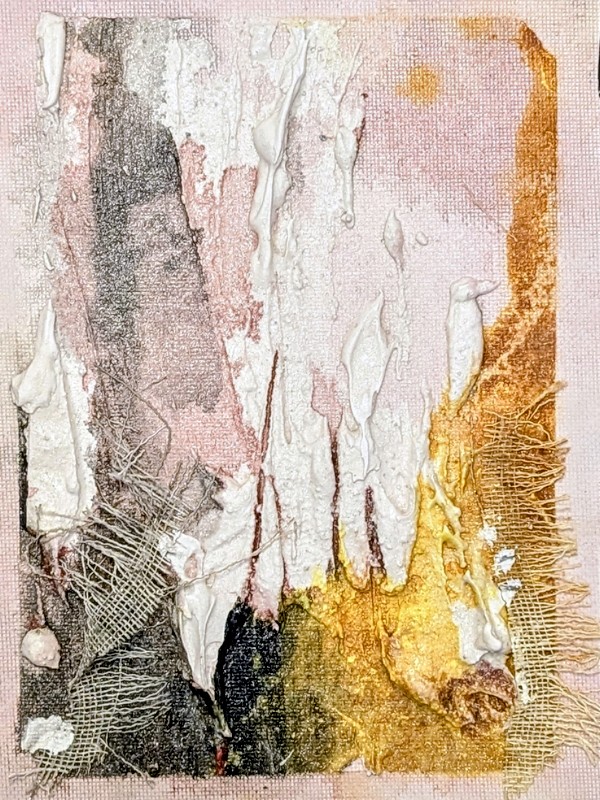
Serie 02
8 x 11 in
Acrylic, meshc and plaster impasto
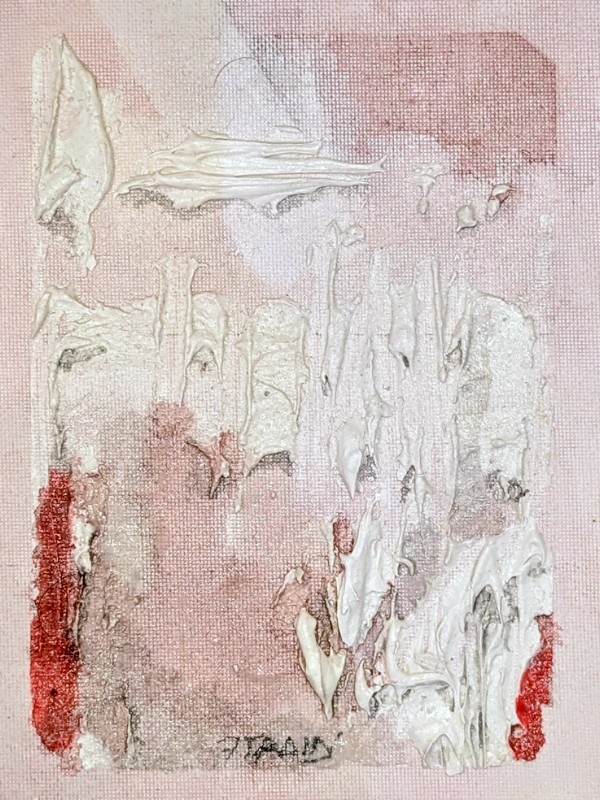
Serie 02
8 x 11 in
Acrylic and plaster impasto
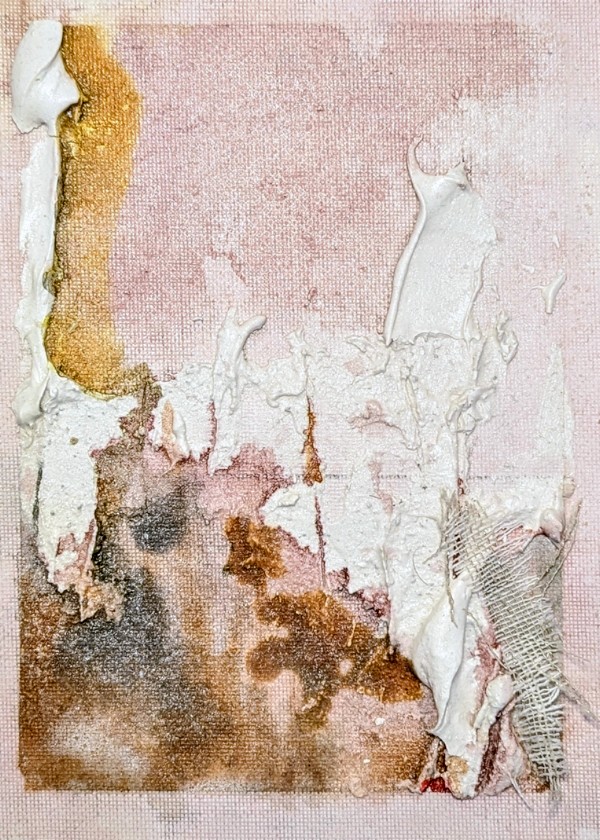
Serie 02
8 x 11 in
Acrylic, meshc and plaster impasto
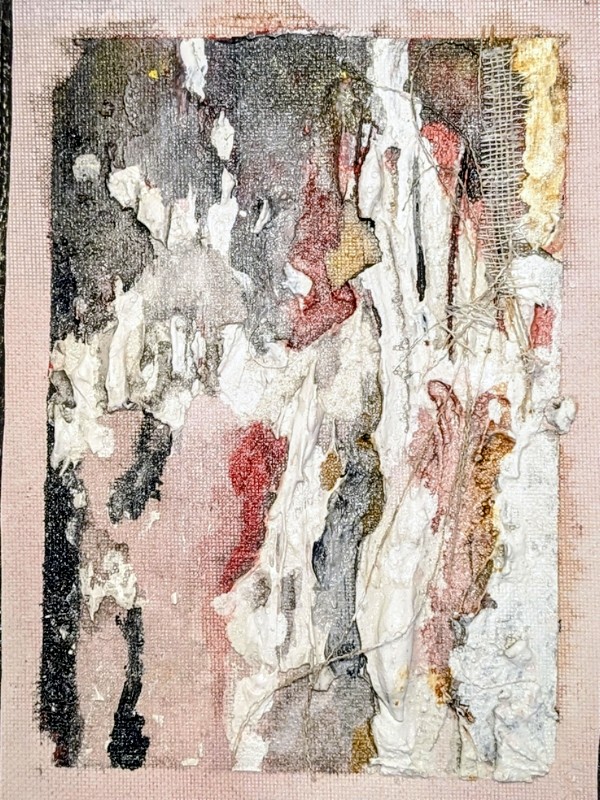
Serie 02
8 x 11 in
Acrylic, mesh and plaster impasto
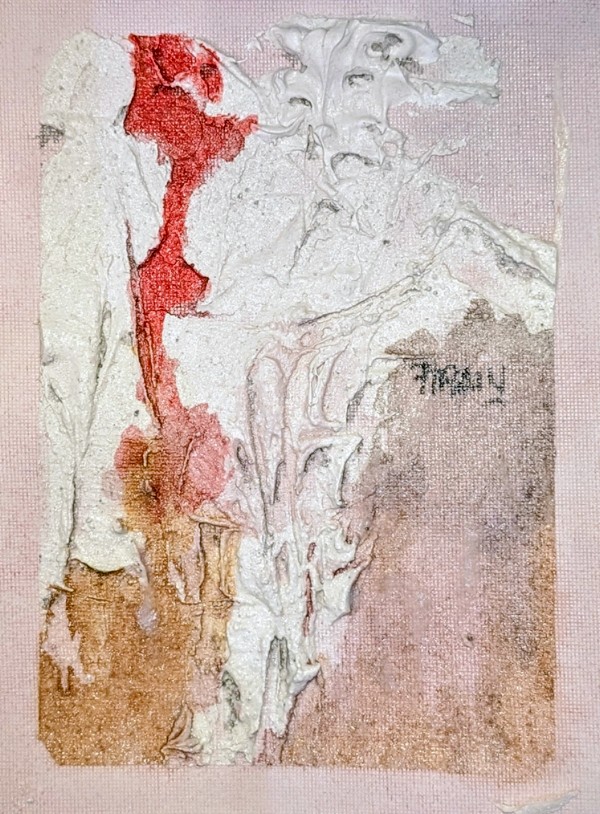
Serie 02
8 x 11 in
Acrylic and plaster impasto
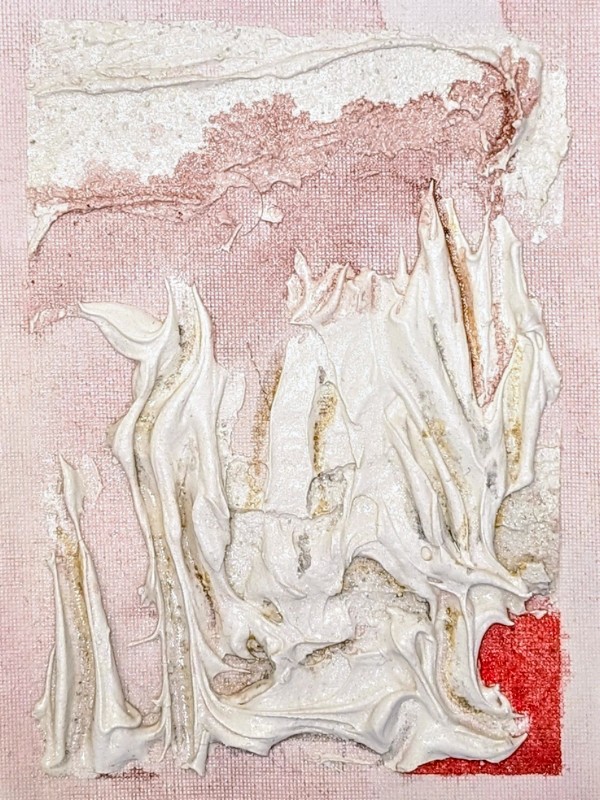
Serie 02
8 x 11 in
Acrylic and plaster impasto
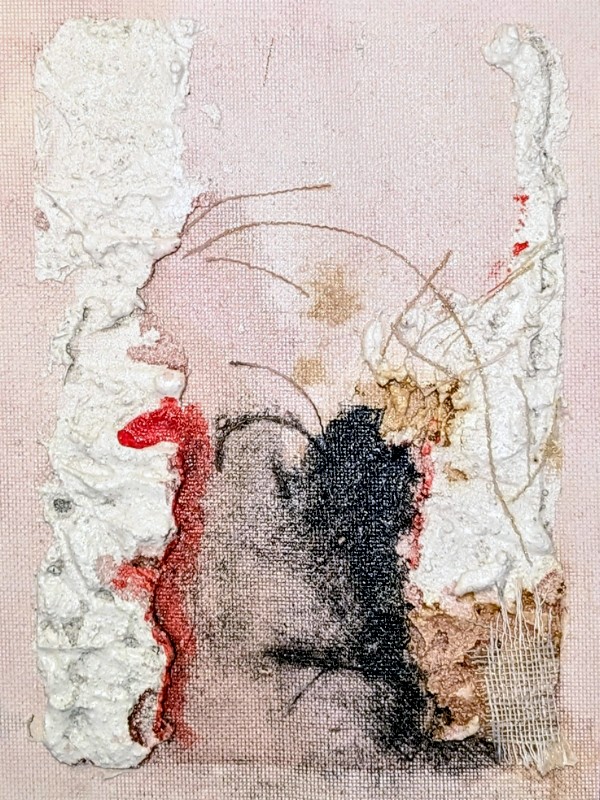
Serie 02
8 x 11 in
Acrylic, mesh and plaster impasto
Series: Industrial Veins (Series 03)
The Final Evolution: Steel, Textile, and Urban Decay
In this concluding stage of the exhibition, the narrative shifts from the surface of the wall to the inner skeleton of the metropolis. Series 03: Industrial Veins introduces raw steel and heavy textiles as primary actors, merging them with sculpted plaster to create a visceral architectural experience. These are not mere paintings; they are fragments of an industrial reality that has been weathered by time and the relentless pulse of New York.
The inclusion of exposed fabric represents the fragile human layer, while the oxidized steel elements and deep black ink washes highlight the “scars” of the city—those micro-sculptures of rust and shadow that define the loneliness of the modern grid.
Investment Value & Aesthetic Impact: These works offer the highest level of material complexity in the collection. The interplay between the organic absorption of the cloth and the cold resistance of the metal creates a profound tactile depth. For the collector, Series 03 stands as a testament to structural resilience, providing a powerful, uncompromising visual anchor that bridges the gap between contemporary art and industrial archaeology.
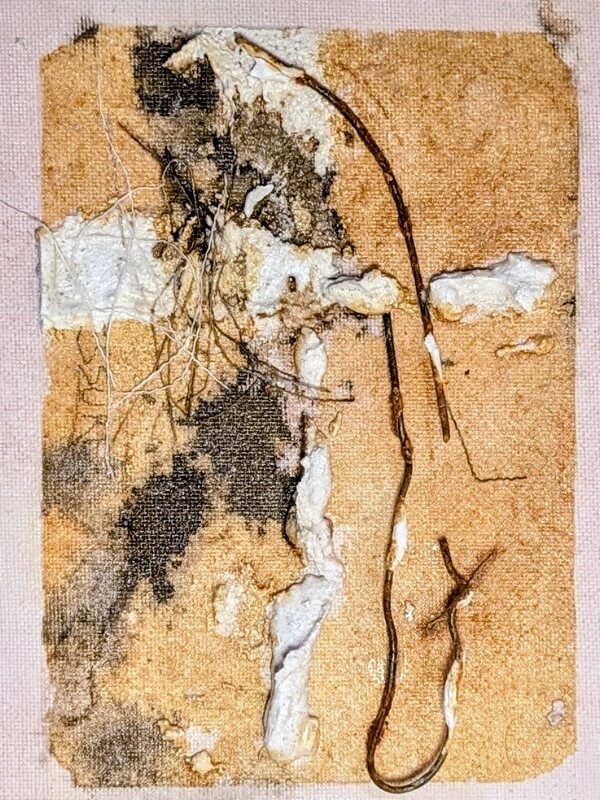
Serie 03
8 x 11 in
Acrylic, steel, mesh,and plaster impasto
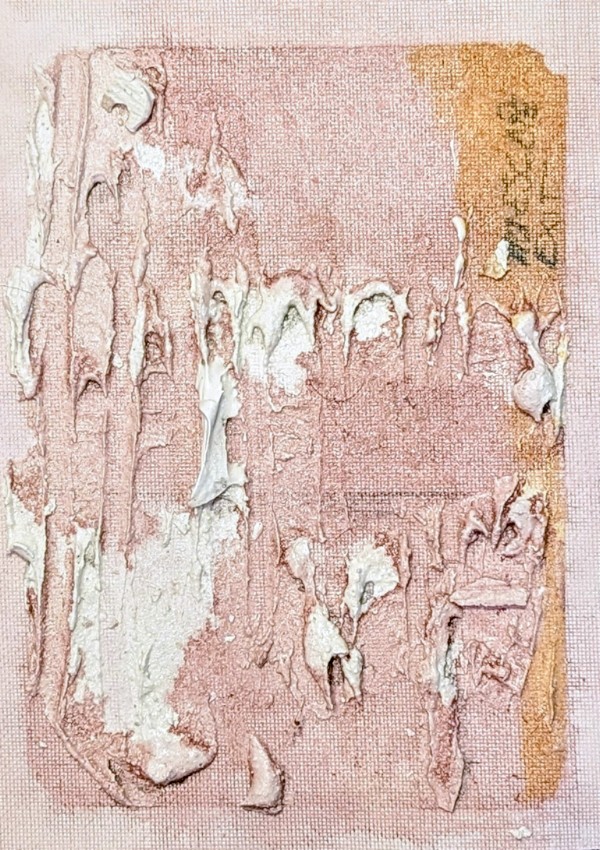
Serie 03
8 x 11 in
Acrylic and plaster impasto
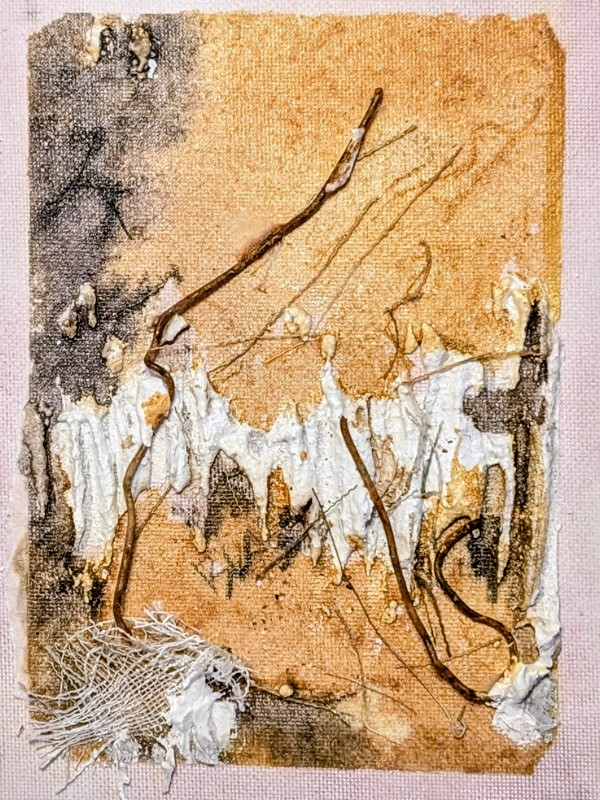
Serie 03
8 x 11 in
Acrylic, steel, mesh,and plaster impasto
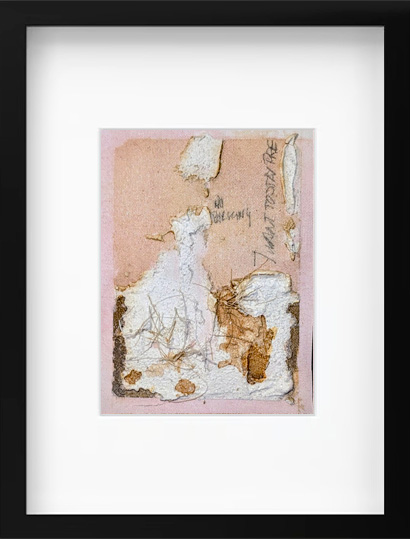
Serie 03
8 x 11 in
Acrylic, mesh and plaster impasto
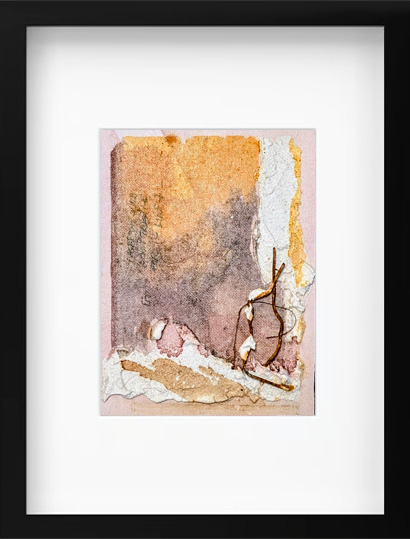
Serie 03
8 x 11 in
Acrylic, steel, mesh,and plaster impasto
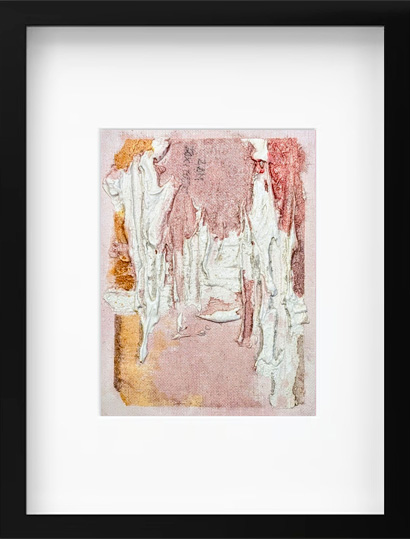
Serie 03
8 x 11 in
Acrylic and plaster impasto
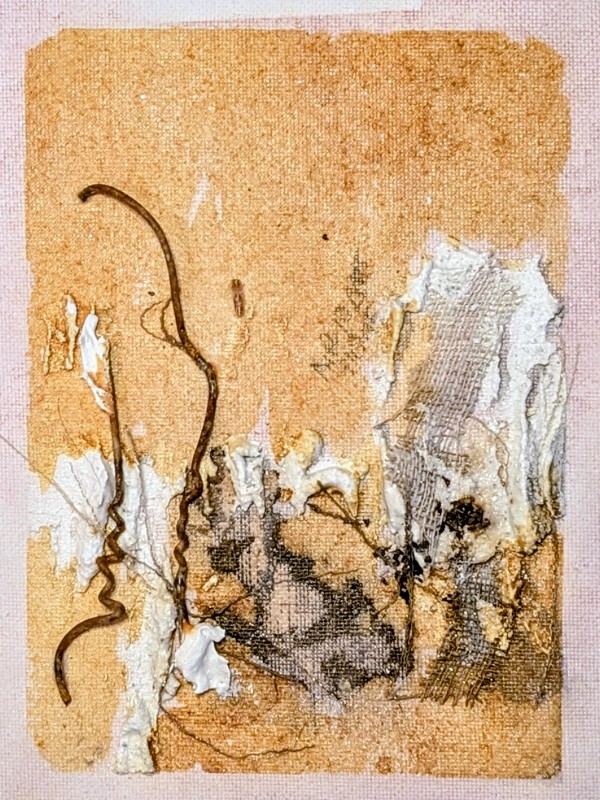
Serie 03
8 x 11 in
Acrylic, steel, mesh,and plaster impasto
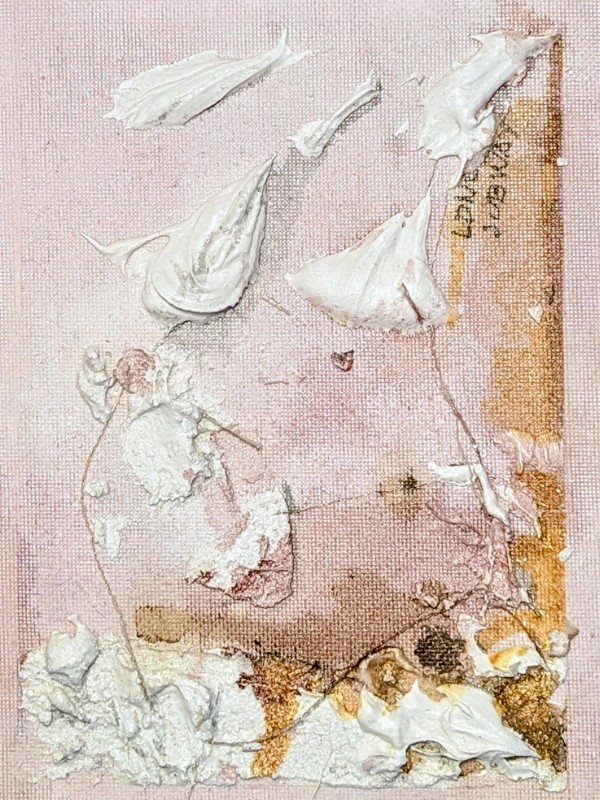
Serie 03
8 x 11 in
Acrylic and plaster impasto
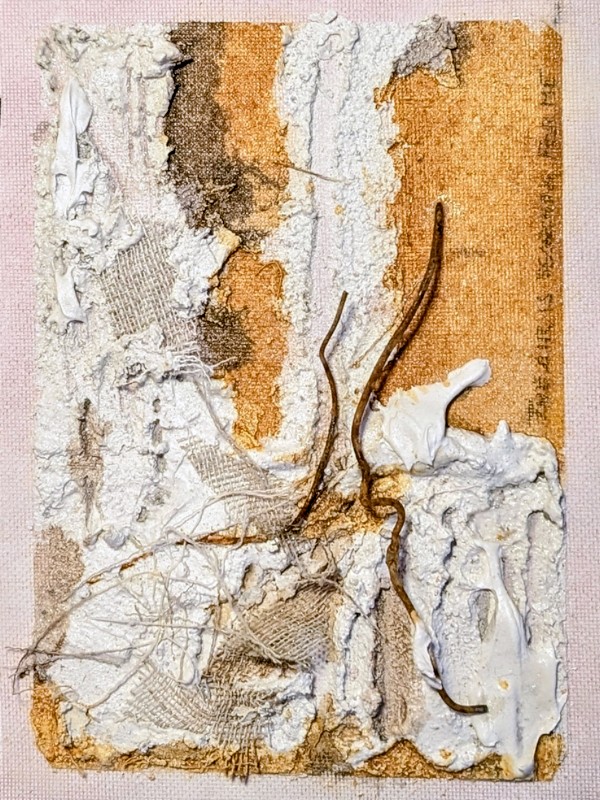
Serie 03
8 x 11 in
Acrylic, steel, mesh,and plaster impasto
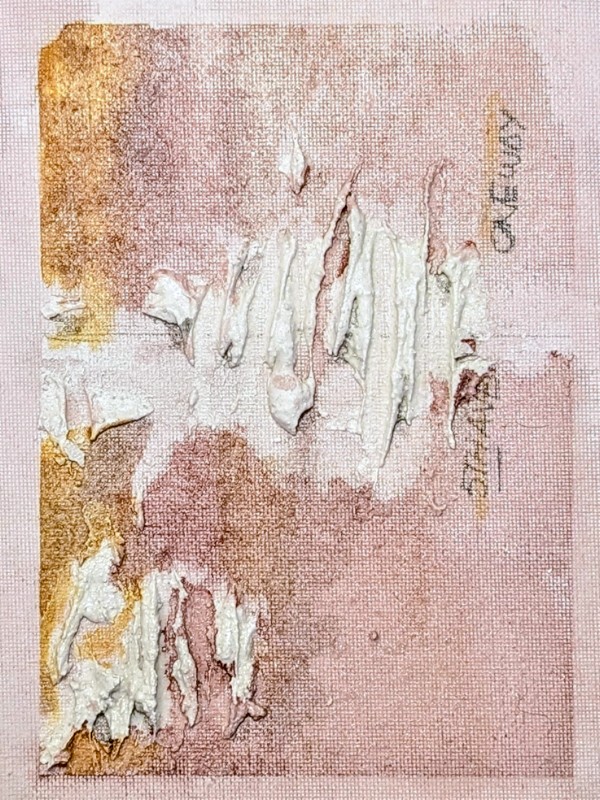
Serie 03
8 x 11 in
Acrylic and plaster impasto
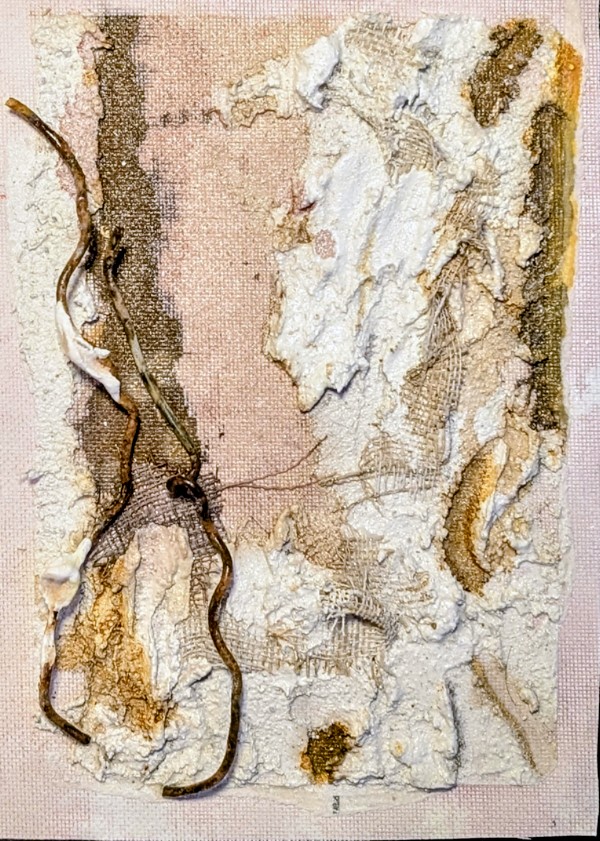
Serie 03
8 x 11 in
Acrylic, steel, mesh,and plaster impasto
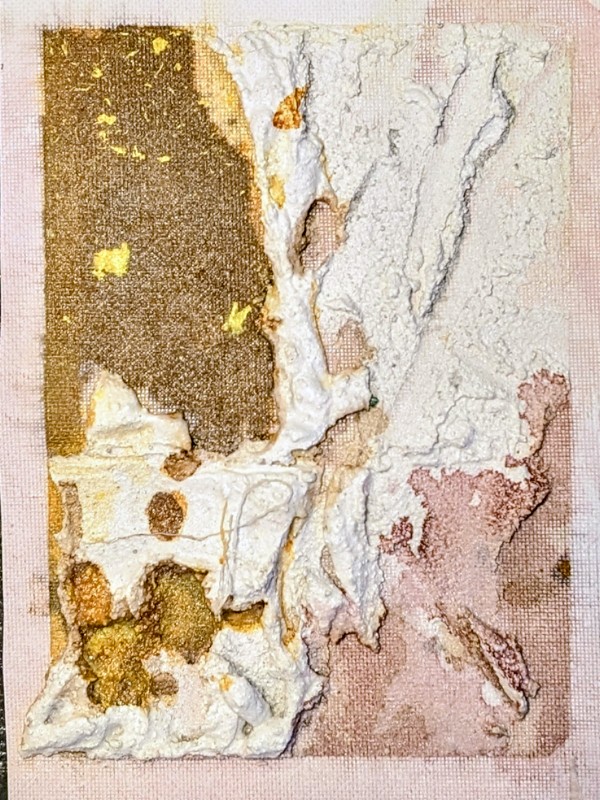
Serie 03
8 x 11 in
Acrylic and plaster impasto
The 7 Train: Exhibition Walkthrough Video
The 7 Train: Industrial Echoes and Urban Solitude
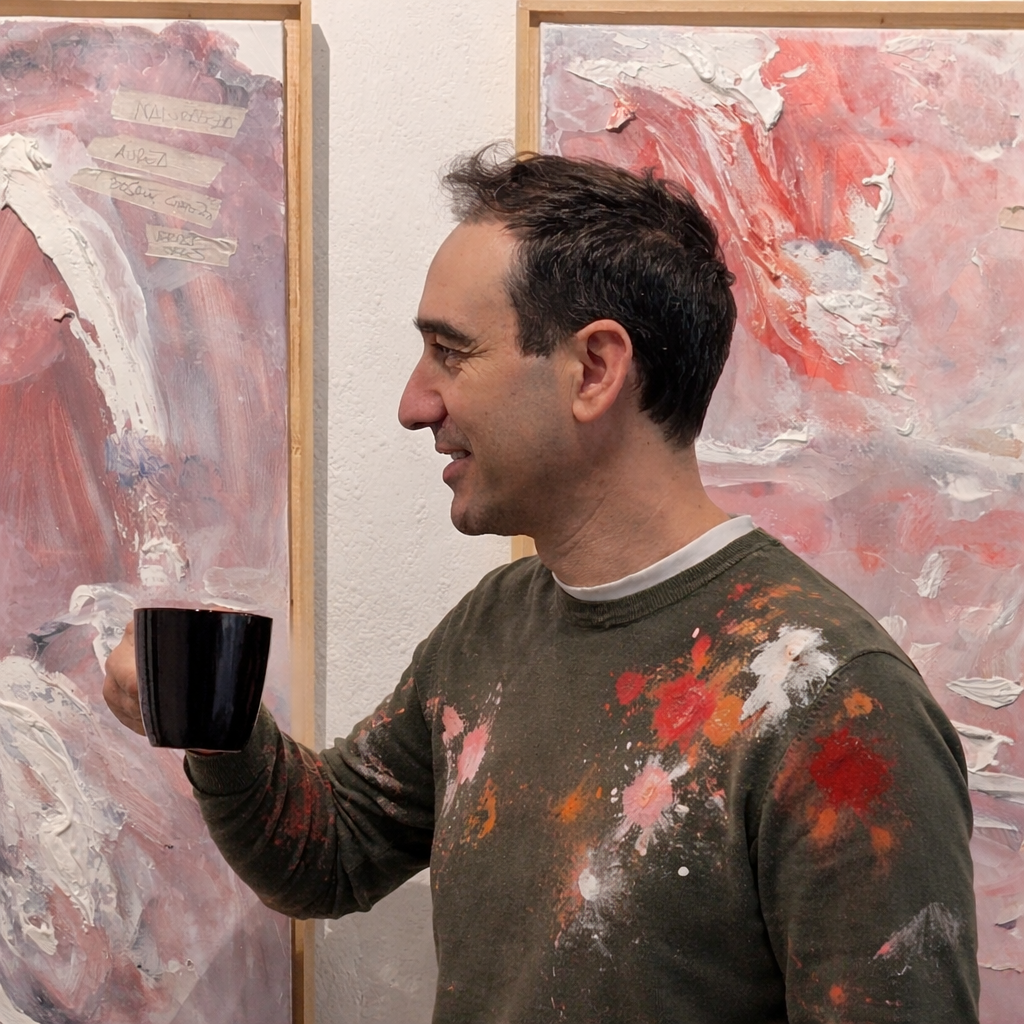
As The 7 Train pulls into its final station at Pub K2 in Bilbao, it leaves behind a profound material map of New York’s industrial soul. The success of this show lies in its ability to transform the 13×18 canvas into a visceral, three-dimensional experience of the city’s grit and steel. For the collector, these pieces represent a unique bridge where contemporary abstraction meets the unyielding rhythms of urban decay.
The creative energy has already shifted toward industrial horizons. The artist is currently refining the sculptural use of steel and oxidation, pushing the boundaries of the “urban” landscape even further. As one journey ends, a new vital cycle begins. This is a definitive moment to acquire the foundational pieces of a constantly evolving legacy.
Explore the Collection
-
Woodfire Bark — Abstract Painting by Felipe Peña
Attributes Value Dimensions 9 × 13 in -
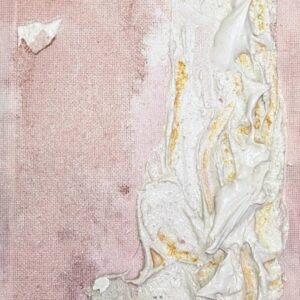
Monolithic Void — Abstract Painting by Felipe Peña
Attributes Value Dimensions 8 × 11 in -
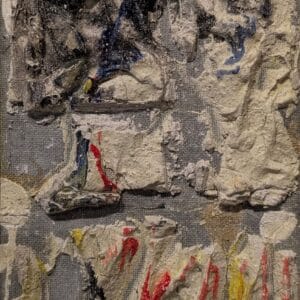
Woodfire Ash — Abstract Painting by Felipe Peña
Attributes Value Dimensions 9 × 13 in
