WORK — How a piece begins
1 · Encounter
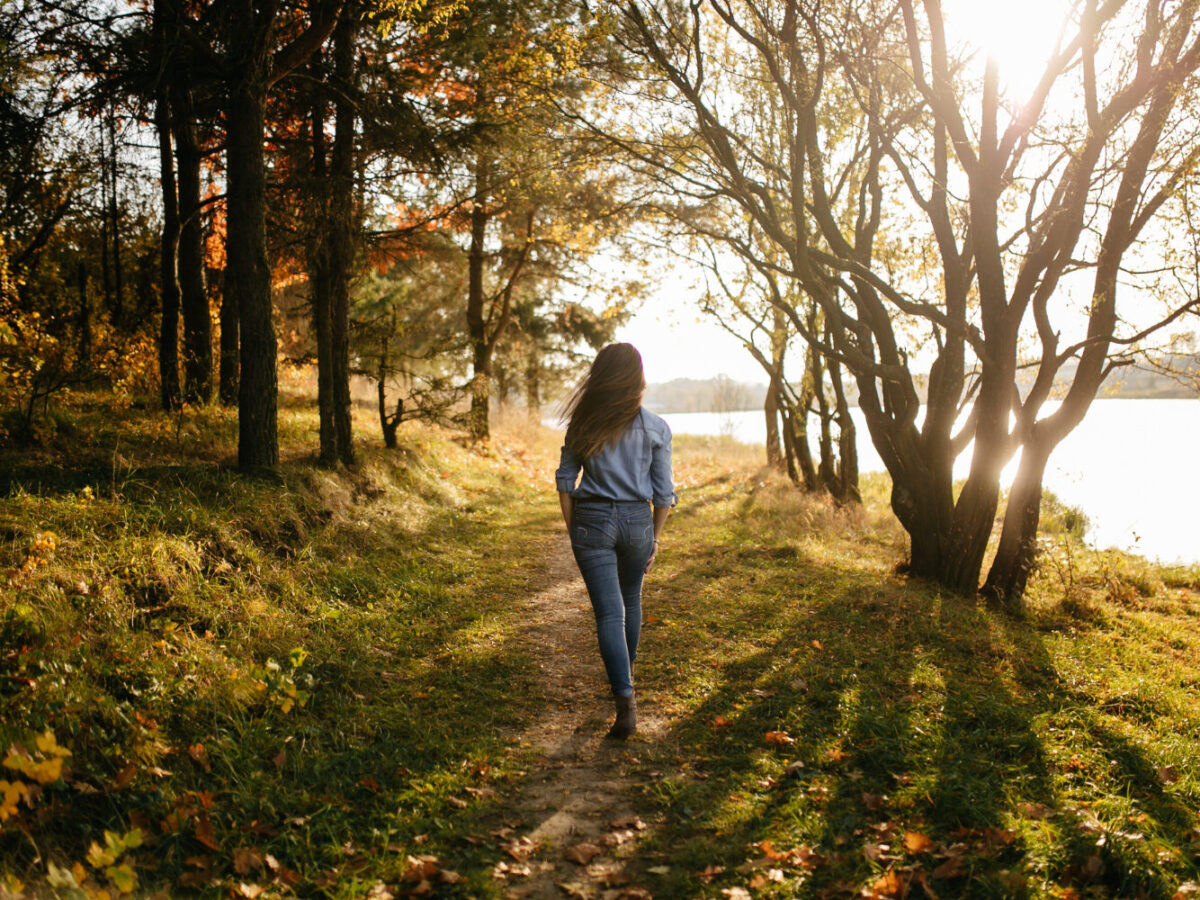
Sometimes it starts without looking for it. While traveling, walking through the city, or simply observing something ordinary. It can be a shift in the light, a shadow on a wall, or a simple gesture. I don’t always know why, but something makes me stop. That moment leaves a trace, a vibration. I’m not thinking about a painting yet; I just try to stay with that feeling.
2 · Spark and notes
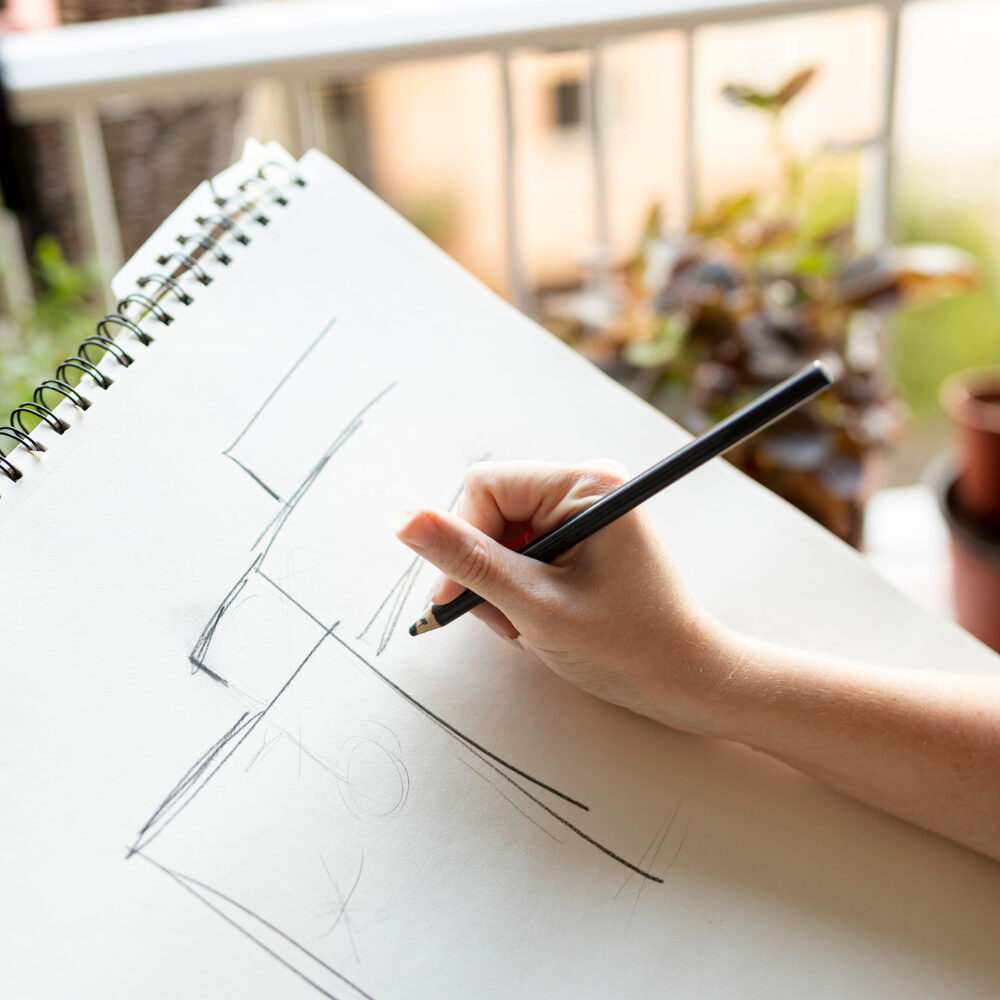
If the feeling stays, I record it —a short phrase, a raw sketch, a color, or a photo. I use a notebook or my phone, whatever is at hand. Writing helps me save the impulse before it fades. Sometimes that note becomes a seed that grows slowly over weeks or months. I don’t push it. I wait until I feel the inner image wants to emerge, as if it already had its own shape or sound.
3 · Studio and refinement
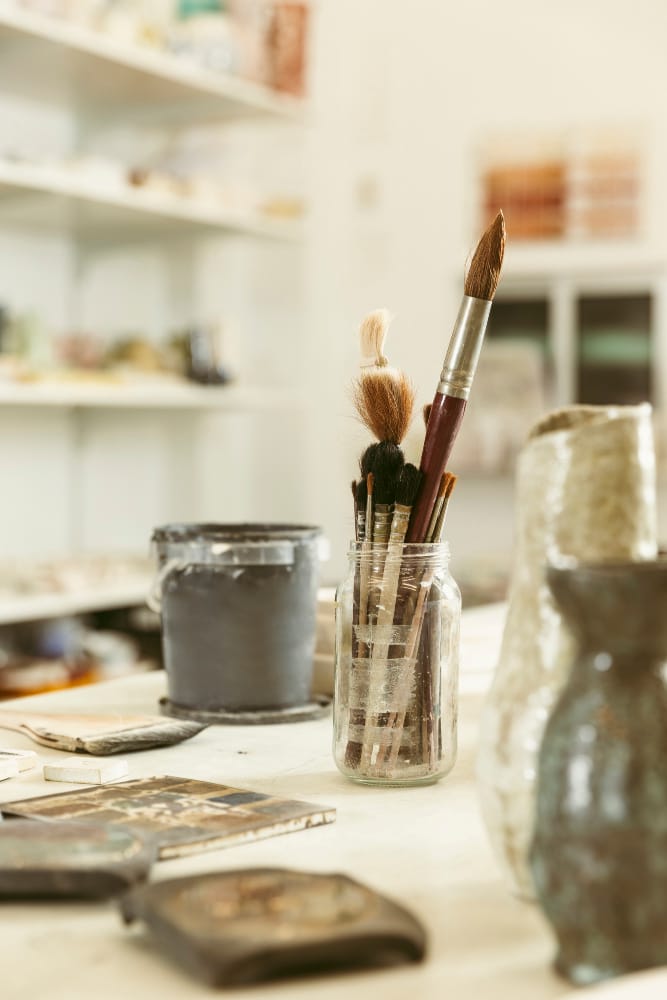
When that moment arrives, I head to the studio. I start testing materials and staining paper, looking for textures that mirror the first emotion. I work freely: no plan, no judgment. The goal isn’t to be “right” but to find a rhythm. I remove what distracts and repeat what holds energy. I set a few simple rules —a palette, a scale, a gesture— to keep the idea alive and focused.
4 · Research and meaning
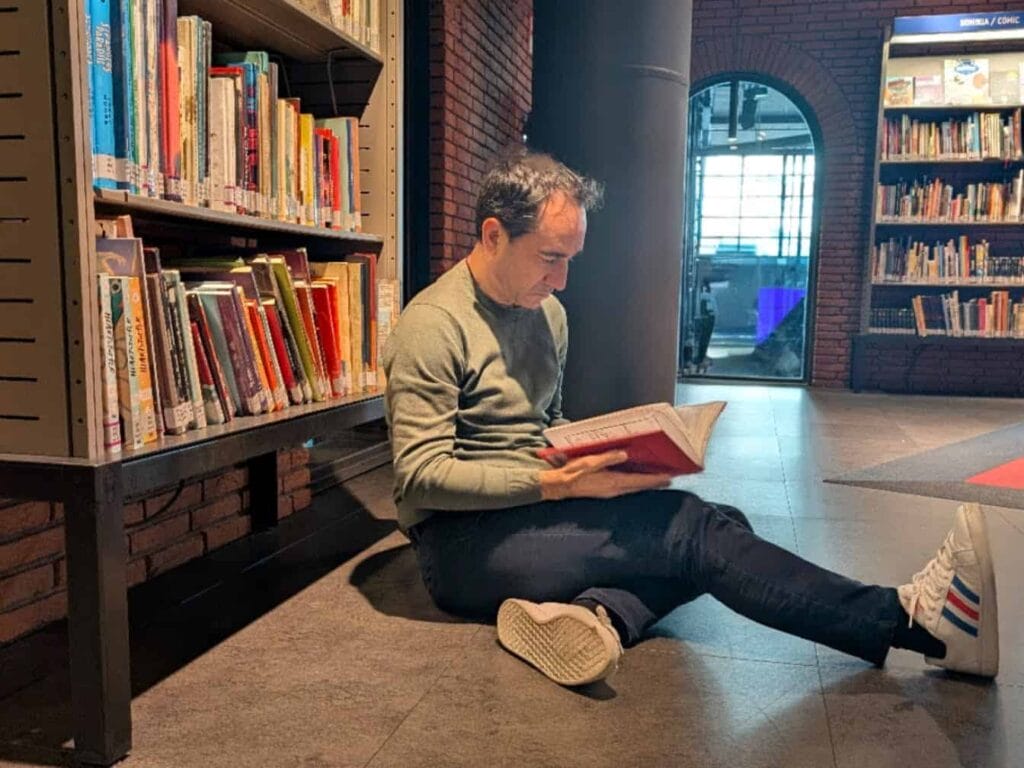
Sometimes a piece demands more understanding. I look through books and images to expand the concept, seeing how others have explored similar ideas. This gives the work depth, turning it into a conversation with time. Research doesn’t change the initial emotion, but it provides roots and language. It helps open the work to other eyes.
5 · Closure and distance
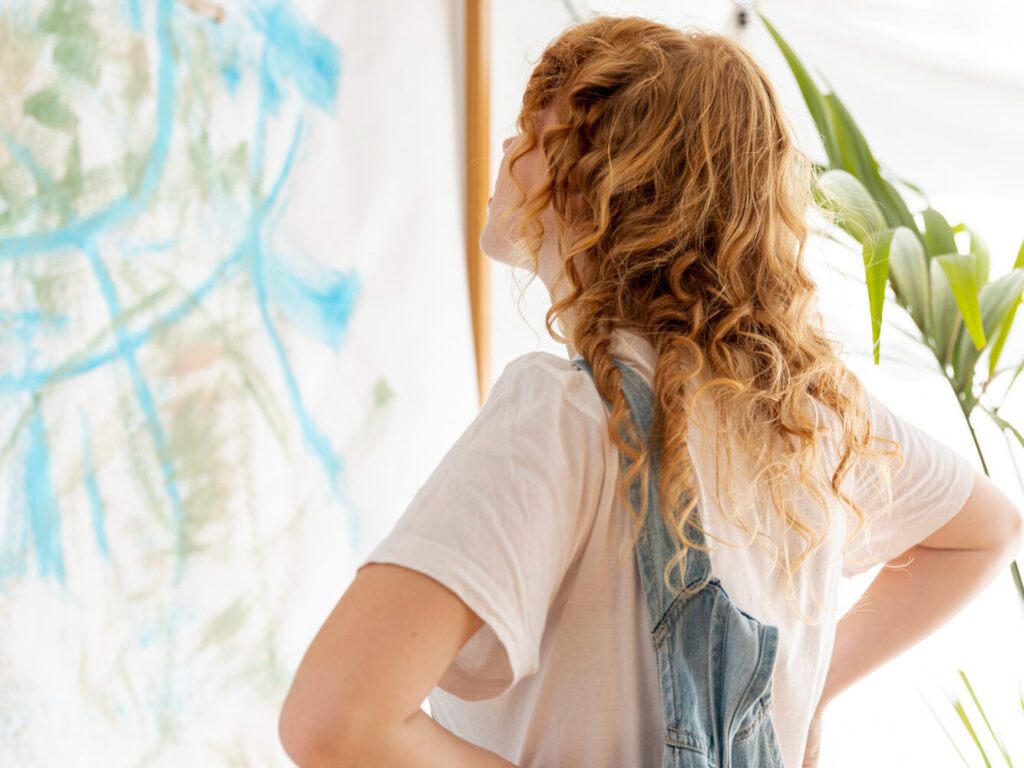
When the piece finds its own balance, I stop. I let it rest for a few days, then look at it again quietly, as if it belonged to someone else. If it still breathes and nothing feels extra, it is done. I don’t seek perfection, only clarity. I then document it and give it a name. This closes the cycle —and the story becomes the seed for the next work.