4 · Research and Meaning: The Architecture of Space-Time
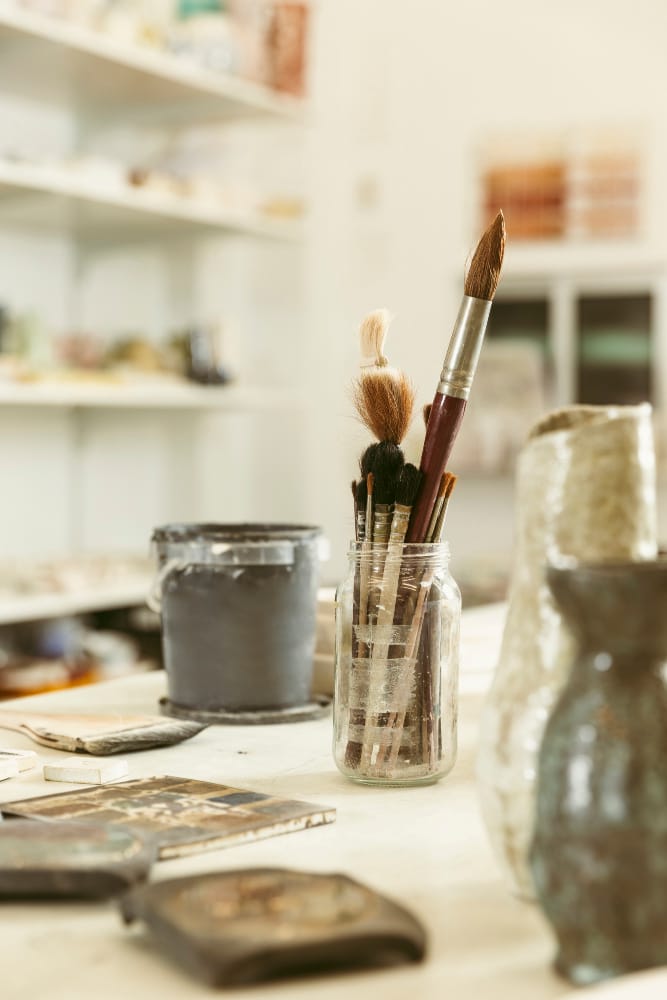
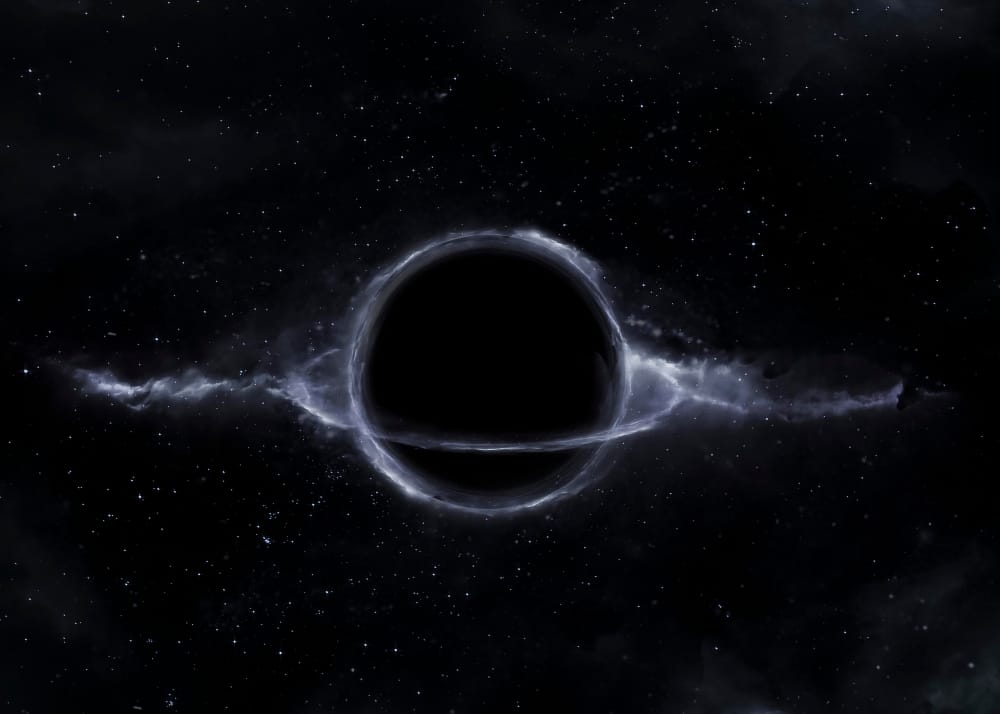
Certain pieces demand an understanding that transcends mere intuition. My research process is a rigorous dialogue between science, architecture, and philosophy, in that specific order. I don’t just seek aesthetic inspiration; I search for the laws that govern reality. I immerse myself in the physics of Stephen Hawking, exploring the nature of black holes and the fourth dimension as an absolute “whole.” I am fascinated by wormholes and the coexistence of different planes within space—concepts that challenge our linear perception and that I strive to translate onto the canvas as new ways of inhabiting the void.
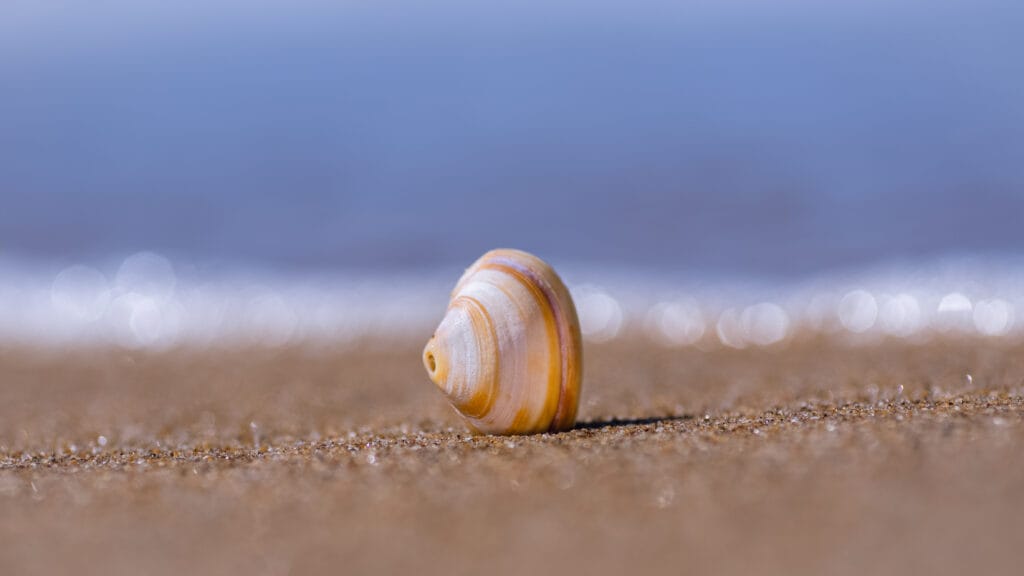
This quest is fueled by the precision of Descartes and the symbolic weight of Plato’s Allegory of the Cave. My goal is for the work to have roots; to ensure it is not just a fleeting emotion, but a conversation with time. To “freeze” these complex ideas, I turn to my notebook or attempt to bring material fragments of the world back to my studio—a rock, a shell—though often the object is lost, leaving only its echo in my mind. In the solitude of my creative process, I visualize the piece repeatedly, subjecting it to different lights and variables, even allowing for “consequential errors” derived from the original thought. I want the research to surprise and contradict me, always maintaining that necessary fear of losing freshness while striving to be both plastic and profound.
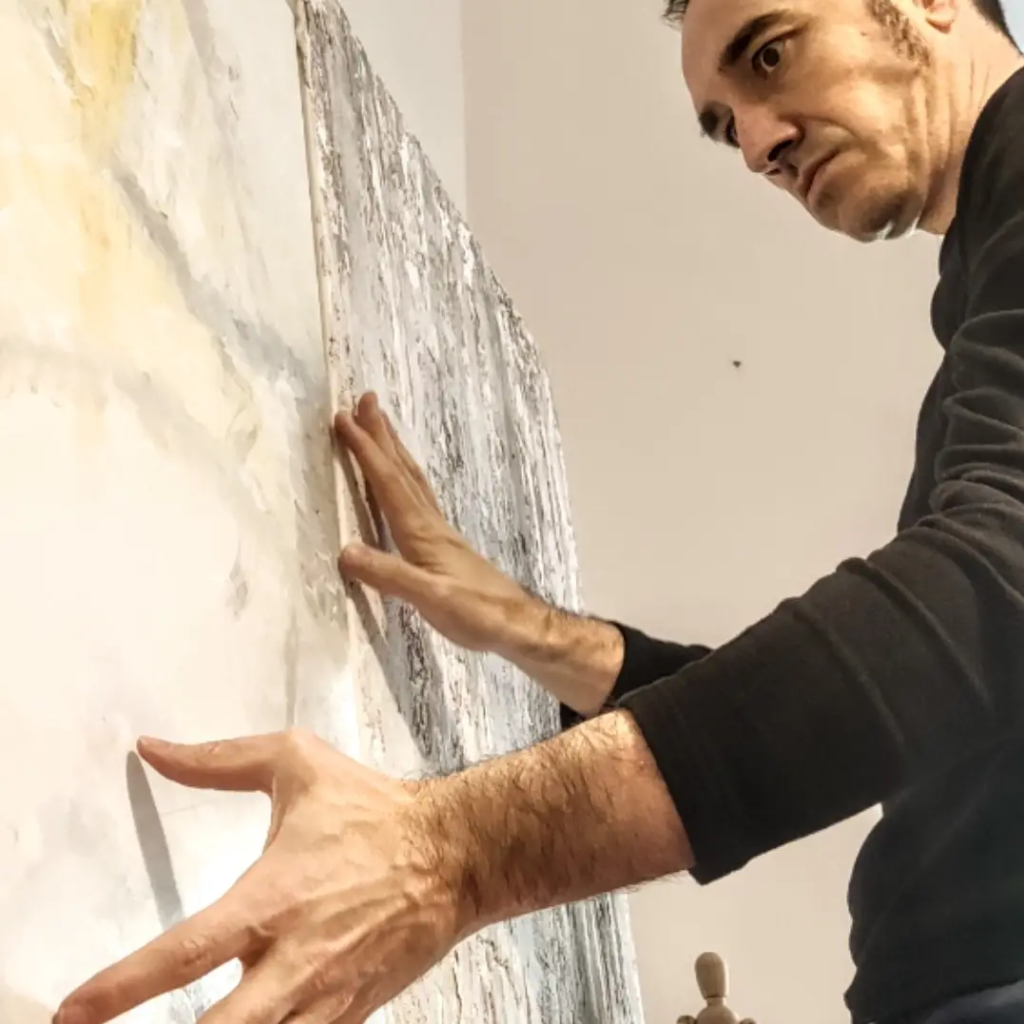
In my work, the structure begins with a search for initial symmetry that evolves into volume and chaos. It is a controlled loss where the casual and the accidental are permitted to emerge. Living in the United States has made this process more direct and technical, allowing me to reach an objectivity I didn’t have before, while always preserving the initial spark as the source of vitality. I want the work to age with the observer; much like the principles in Josef Albers’ Interaction of Color or the psychological depth in Erikson’s Childhood and Society, I want the viewer to discover new layers as the years pass.
I research to find equilibrium within apparent chaos. I know the process is complete when something inside me dictates: “You have it. Don’t touch it.” At that moment, scientific inquiry and philosophical reflection merge into a single plastic unity that opens itself to other eyes, offering a space where time does not stand still, but expands.
