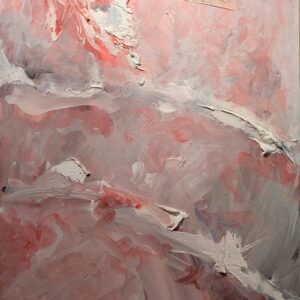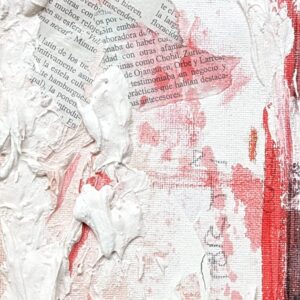
Texture is one of the most effective ways to make a painting visually engaging. Techniques like impasto, stippling, and palette knife strokes create tactile interest, giving artwork depth and movement. Even subtle variations on smooth surfaces can catch light differently, adding dimension and richness.
Different tools, from brushes to sponges, offer unique textural effects. Layering textures with color enhances composition and emotional impact, making abstract pieces more expressive or realistic paintings more dynamic. Professionals use texture strategically to highlight focal points and add character to spaces.
Textured walls or canvases transform ordinary interiors into immersive environments, combining color, depth, and visual intrigue. For murals and decorative painting, texture is not just an aesthetic choice—it’s a design strategy that elevates the overall atmosphere of a room.Beginners can experiment with small canvases, combining tools and techniques to discover personal style. Over time, mastering texture allows painters to create compelling, professional-quality artwork that captivates and inspires.