OBRA — Cómo nace una pieza
1 · Inspiración

A veces surge sin buscarla. Durante un viaje, caminando por la ciudad o simplemente observando algo cotidiano. Puede ser un cambio en la luz, una sombra sobre una pared o un gesto sencillo. No siempre sé por qué, pero algo hace que me detenga. Ese instante deja una huella, una vibración. Todavía no pienso en un cuadro; simplemente intento permanecer en esa sensación.
2 · Notas y boceto
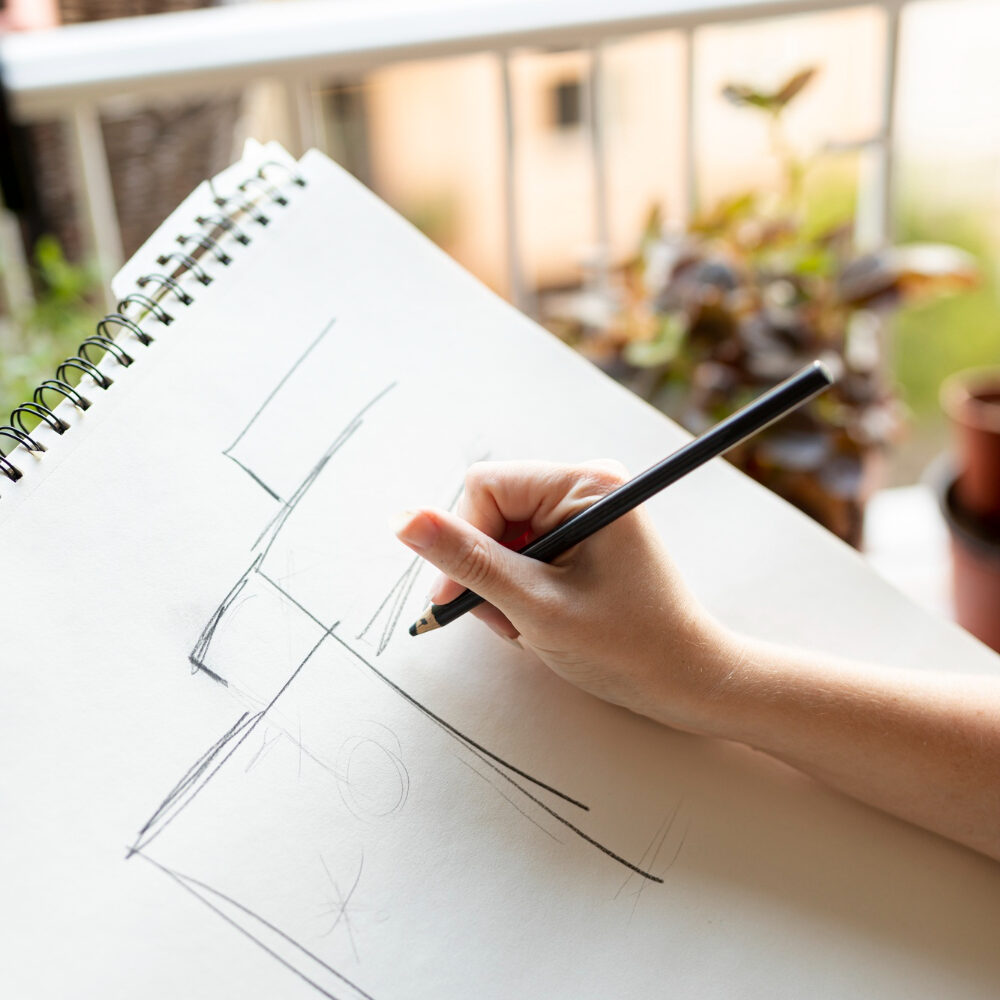
Si la sensación permanece, la registro: una frase breve, un boceto espontáneo, un color o una fotografía. Utilizo una libreta o el móvil, lo que tenga a mano. Escribir me ayuda a conservar el impulso antes de que se desvanezca. A veces, esa anotación se convierte en una semilla que crece lentamente durante semanas o meses. No la fuerzo. Espero hasta sentir que la imagen interior quiere emerger, como si ya tuviera su propia forma o sonido.
3 · Studio and refinement
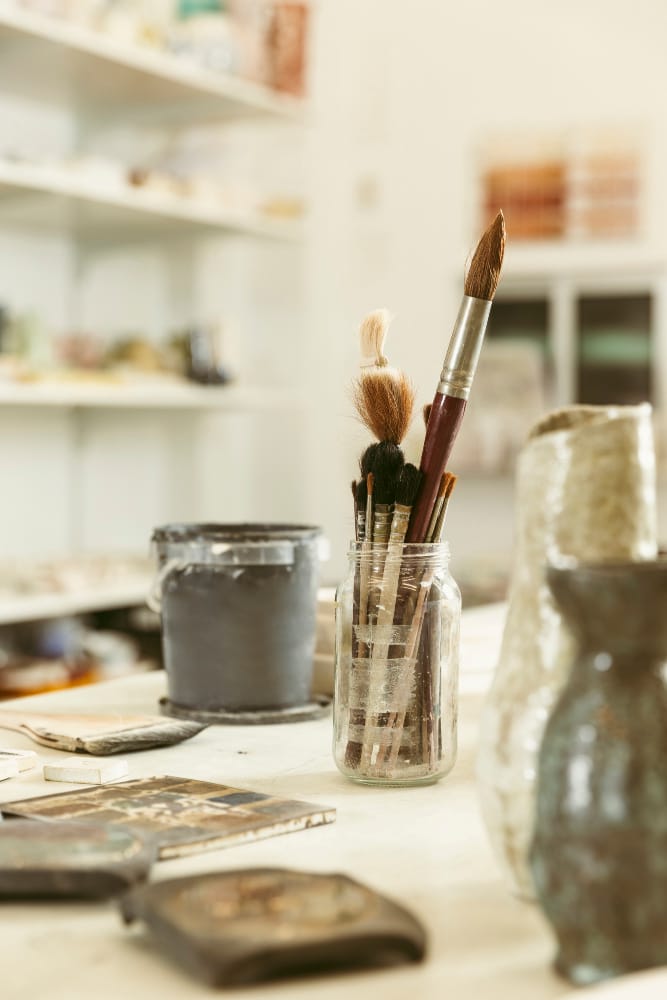
When that moment arrives, I head to the studio. I start testing materials and staining paper, looking for textures that mirror the first emotion. I work freely: no plan, no judgment. The goal isn’t to be «right» but to find a rhythm. I remove what distracts and repeat what holds energy. I set a few simple rules —a palette, a scale, a gesture— to keep the idea alive and focused.
4 · Research and meaning
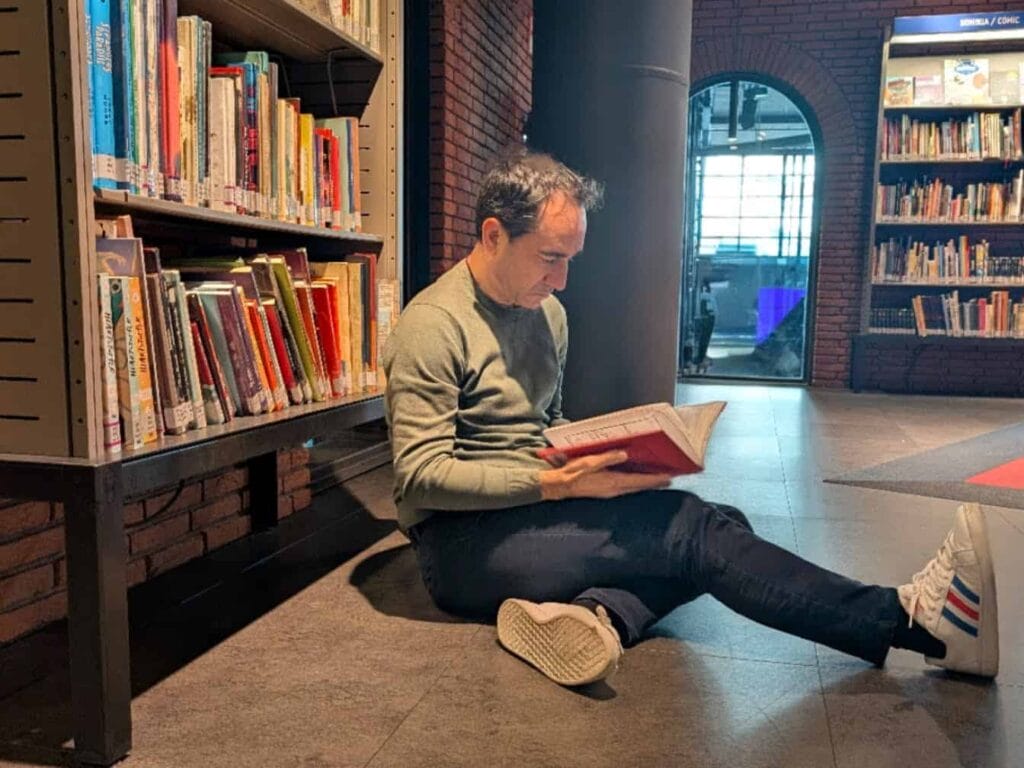
Sometimes a piece demands more understanding. I look through books and images to expand the concept, seeing how others have explored similar ideas. This gives the work depth, turning it into a conversation with time. Research doesn’t change the initial emotion, but it provides roots and language. It helps open the work to other eyes.
5 · Closure and distance
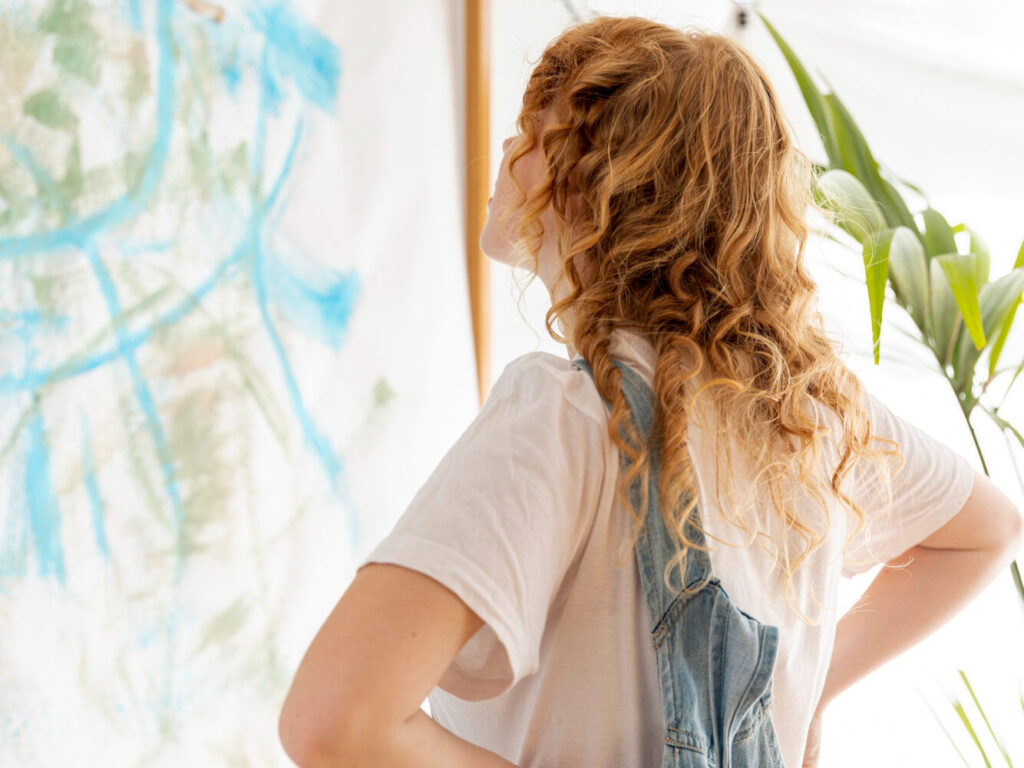
When the piece finds its own balance, I stop. I let it rest for a few days, then look at it again quietly, as if it belonged to someone else. If it still breathes and nothing feels extra, it is done. I don’t seek perfection, only clarity. I then document it and give it a name. This closes the cycle —and the story becomes the seed for the next work.
