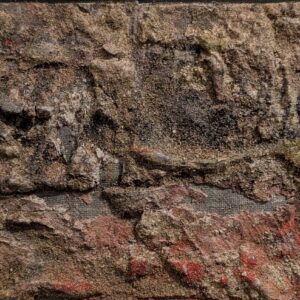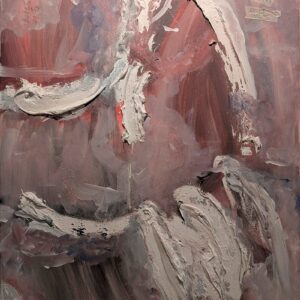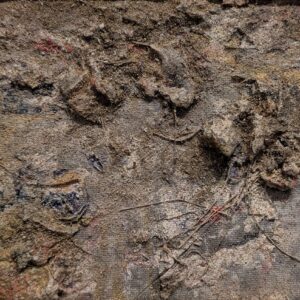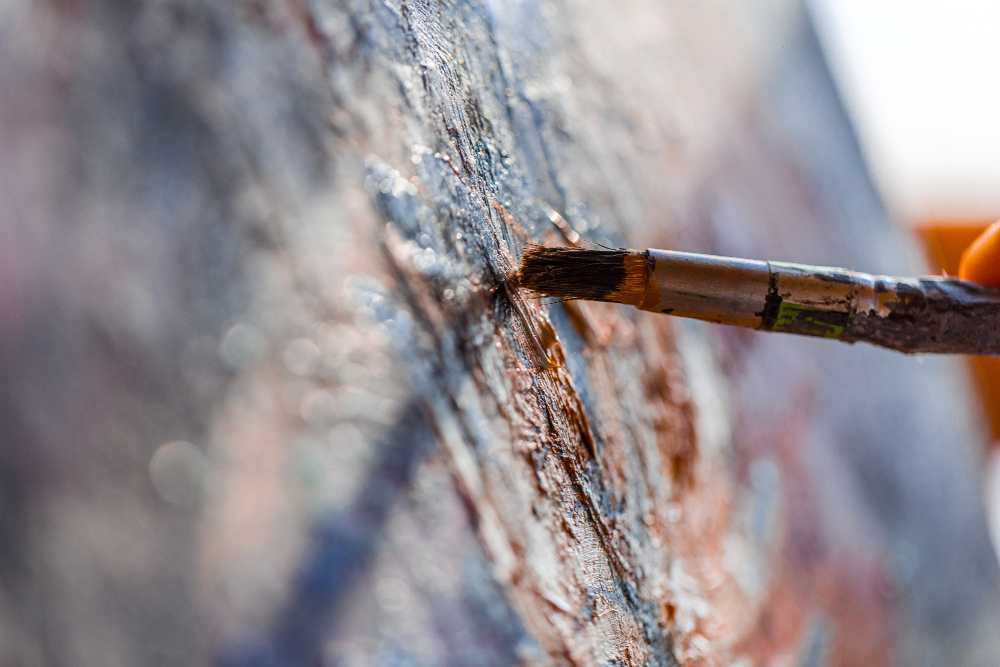
Texture adds tactile and visual interest to paintings, making them engaging and dynamic. Techniques such as impasto, stippling, and palette knife work allow artists to manipulate paint thickness, creating movement and dimension. Even smooth surfaces can benefit from subtle textural variations, which catch light and add depth to compositions.
Different tools create different effects. Brushes, sponges, knives, or even household items can add unique textures and patterns. Layering textures enhances storytelling and emotional impact, whether in abstract art, realistic portraits, or decorative walls.
Professionals use texture to highlight focal points and create visually compelling spaces. In interior projects, textured painting can transform flat walls into immersive environments, adding sophistication and character. Texture, combined with color and technique, turns ordinary surfaces into dynamic art pieces that captivate attention.