Sculpting with Light: How to Illuminate Textured Industrial Art in a Manhattan Loft
In the world of high-end NYC interior design, lighting is not just a utility—it is a paintbrush. When dealing with the heavy, mineral-rich textures of industrial abstract art, the light source determines whether the piece looks like a flat image or a living, architectural monument. For my collectors in Tribeca and Chelsea, understanding the “physics of shadow” is the final step in integrating a concrete and steel masterpiece into a luxury residence.
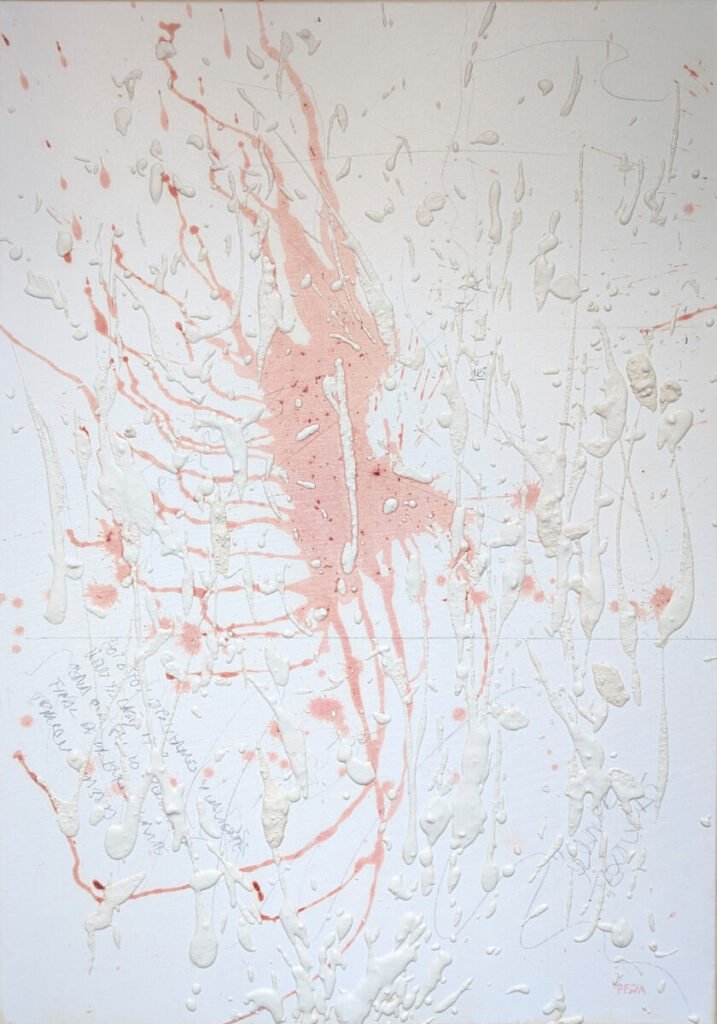
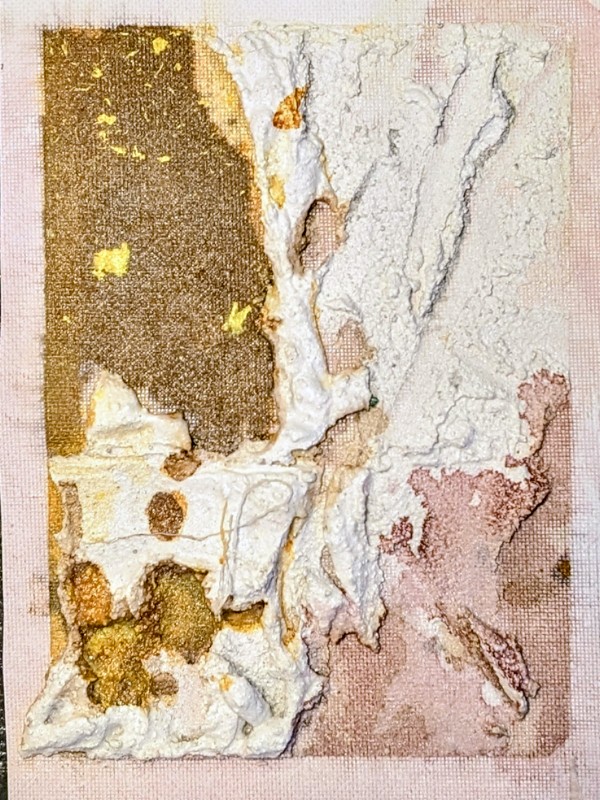
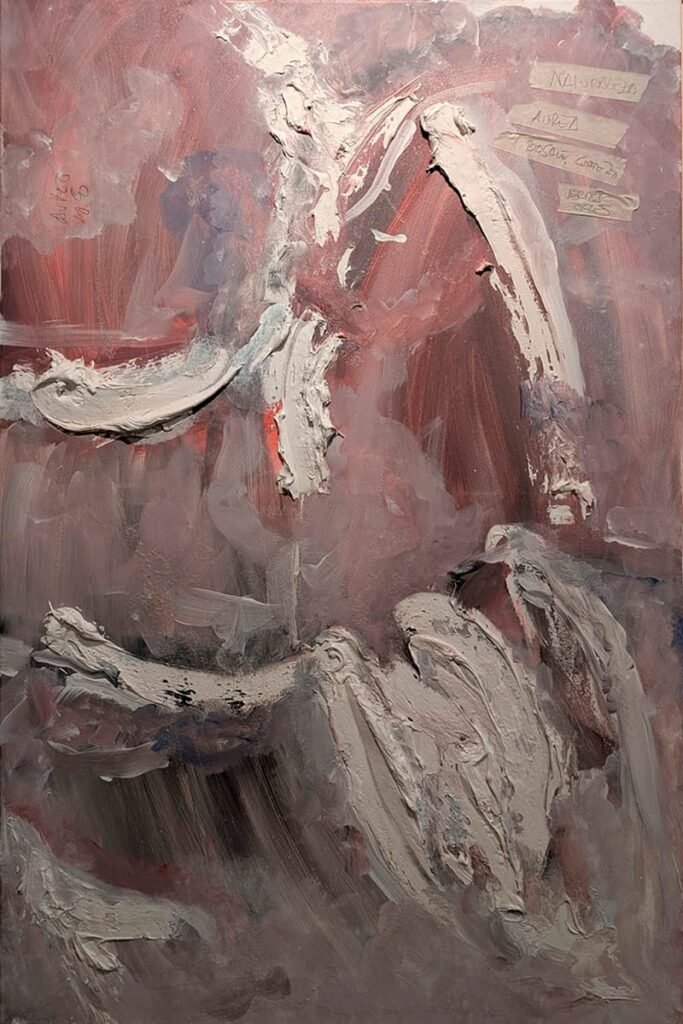
As an artist working with 3D materials like cement and oxidized metals, I design my works to react to the environment. In a New York penthouse, where light shifts from the crisp morning sun of the East River to the warm, artificial glow of Manhattan evenings, your artwork should evolve throughout the day.
The 30-Degree Rule vs. The “Raking Light” Technique
Standard museum lighting often follows the 30-degree rule to minimize glare. However, for tactile abstraction, I recommend what designers call “Raking Light.” By placing your light source at a steeper angle (closer to 25 degrees), the light “rakes” across the surface of the concrete texture, casting long, dramatic shadows behind every ridge and crack. This technique transforms a static wall into a dynamic landscape of peaks and valleys.
Whether you are using track lighting in a SoHo loft or recessed spotlights in a modern Upper East Side apartment, the goal is to emphasize the material’s honesty. The grit of the sand and the sheen of the steel pigments only truly “wake up” when the light has an angle to play with.
2026 Lighting Trends: Warmth and Color Accuracy
For my latest series, The 7 Train, the choice of bulb temperature is critical. In 2026, the luxury market is moving toward “Warm-Neutral” tones. Here is my professional recommendation for lighting industrial art:
- Color Temperature: Aim for 2700K to 3000K. This warm white range enriches the ochre of the rust and the earthy tones of the cement without the sterile feel of “hospital” lighting.
- CRI (Color Rendering Index): Demand a CRI of 95+. This ensures that the subtle metallic glints in the steel are seen as they were intended in my Bilbao studio.
- LED over Halogen: Always use high-quality LEDs. They emit zero UV radiation and no heat, protecting the structural integrity of the concrete and pigments for decades.
Explore my full portfolio of high-texture works and see how they interact with professional lighting at the official site: felipepena.art
Creating Intimacy in Large Industrial Spaces
Many Brooklyn and Queens lofts feature soaring ceilings that can feel impersonal. A well-lit piece of large-format industrial art acts as a visual anchor. By using dimmable, narrow-beam spotlights, you can create a “pool of light” around the artwork, drawing the eye in and creating a sense of intimacy within a vast, open-plan space.
Lighting is the bridge between my studio and your home. When the light hits a Felipe Peña original correctly, it stops being a canvas and starts being a conversation. It reflects the raw, industrial soul of the city, perfectly illuminated for the modern collector.