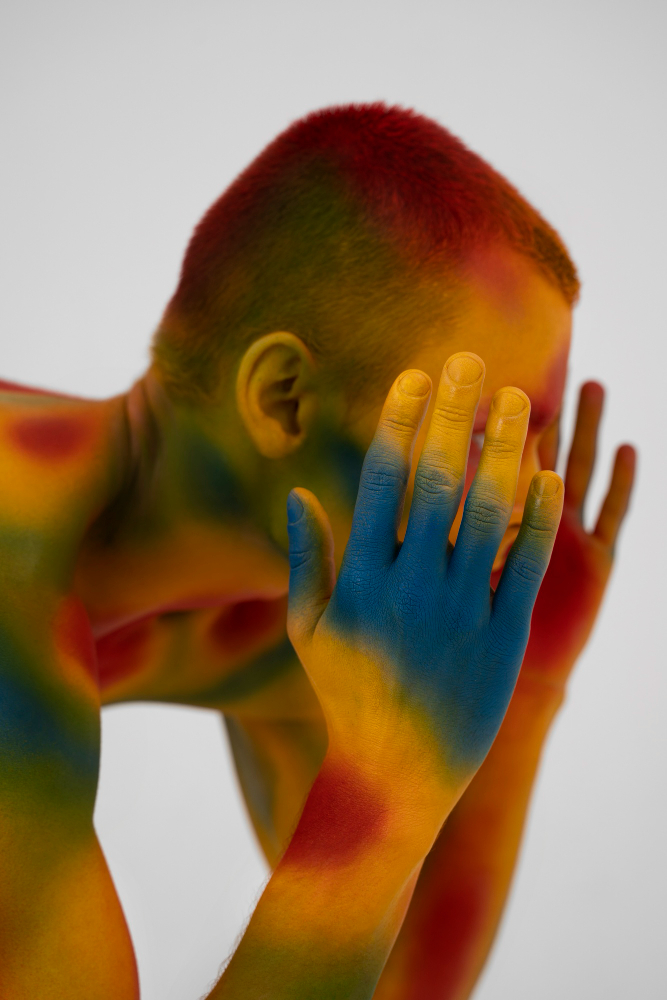
Mastering color mixing is one of the most fundamental skills for any painter. Understanding how colors interact can transform your artwork, evoke emotions, and create a sense of depth and harmony that captivates viewers. Start by familiarizing yourself with primary colors – red, blue, and yellow – and explore secondary colors by combining them. Experimenting with shades, tints, and tones allows you to expand your palette and create subtle variations that make your paintings truly unique.
It’s crucial to understand complementary colors, which, when paired, create vibrant contrast that makes elements pop. Analogous colors, on the other hand, provide a smooth and harmonious feel, ideal for landscapes, portraits, or abstract works. Using high-quality pigments ensures colors stay rich and fade-resistant, enhancing the durability of your creations.
Beginners should practice with small swatches or sample canvases to see how colors behave when mixed. Techniques like layering, glazing, and washes add depth, light, and texture. Don’t fear mistakes – many artistic breakthroughs come from unexpected blends.Professional painters can bring this knowledge into your home or business, ensuring that every wall or mural reflects your personal style. A skilled colorist uses expert techniques to guarantee a polished result, whether you want bold statements, subtle backgrounds, or intricate designs. Color mixing is not just a skill; it’s a journey of creativity, discovery, and transformation.