Textured Abstraction in New York: Painting with Plaster and Steel
Textured Abstraction in New York: Painting with Plaster and Steel
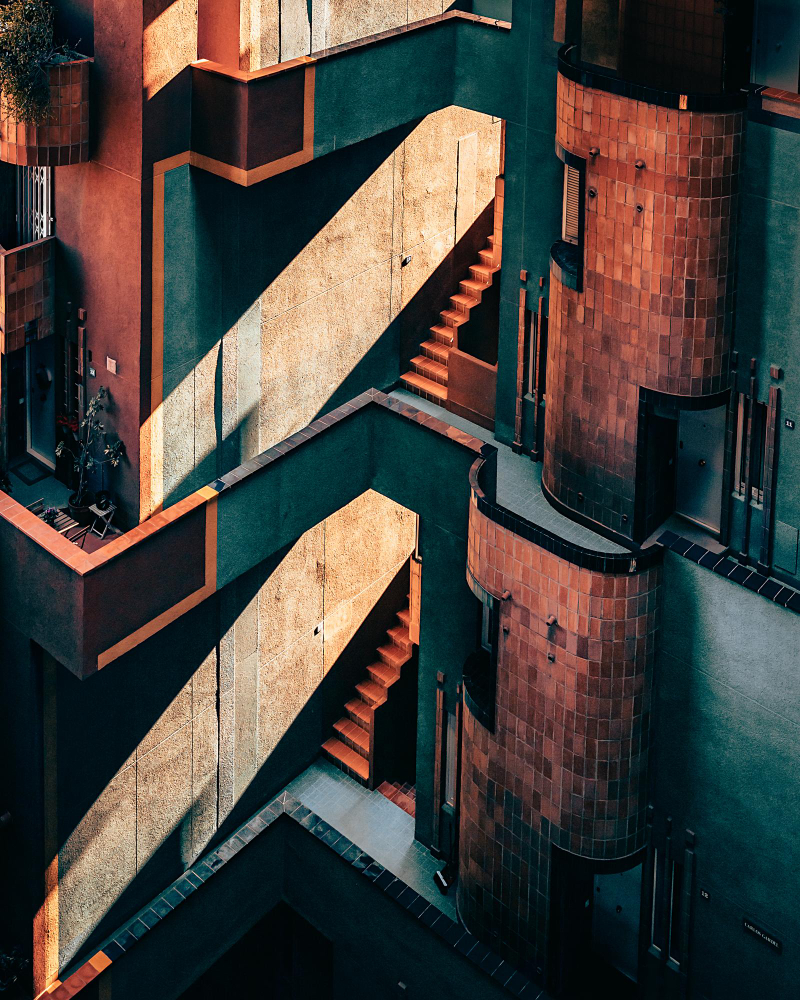
New York has always been a city of density—of bodies, structures, emotions compressed into vertical space. This density does not only belong to architecture; it has increasingly become a central language in contemporary abstract painting.
In recent years, a growing number of artists have moved beyond flat surfaces, embracing materiality as a way to translate the complexity of urban experience. Texture is no longer decorative—it is structural, psychological, and deeply spatial.
The Shift Toward Material Painting
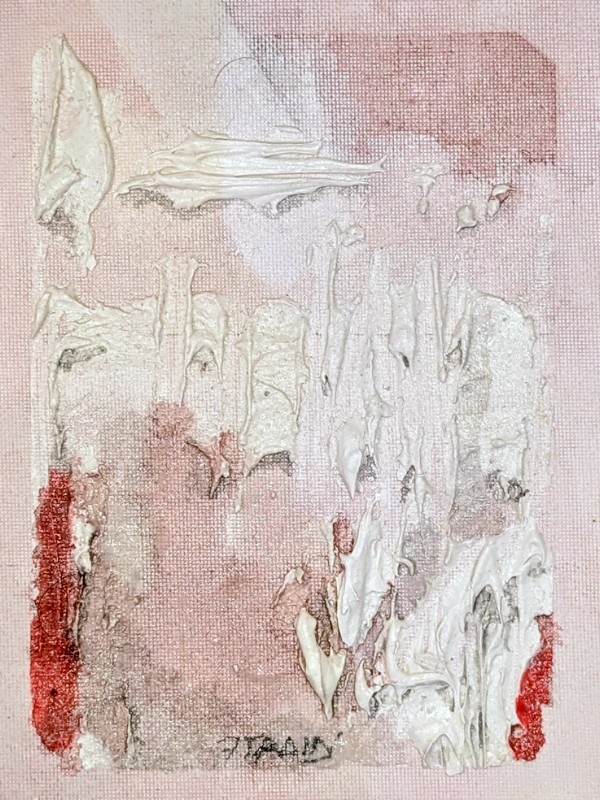
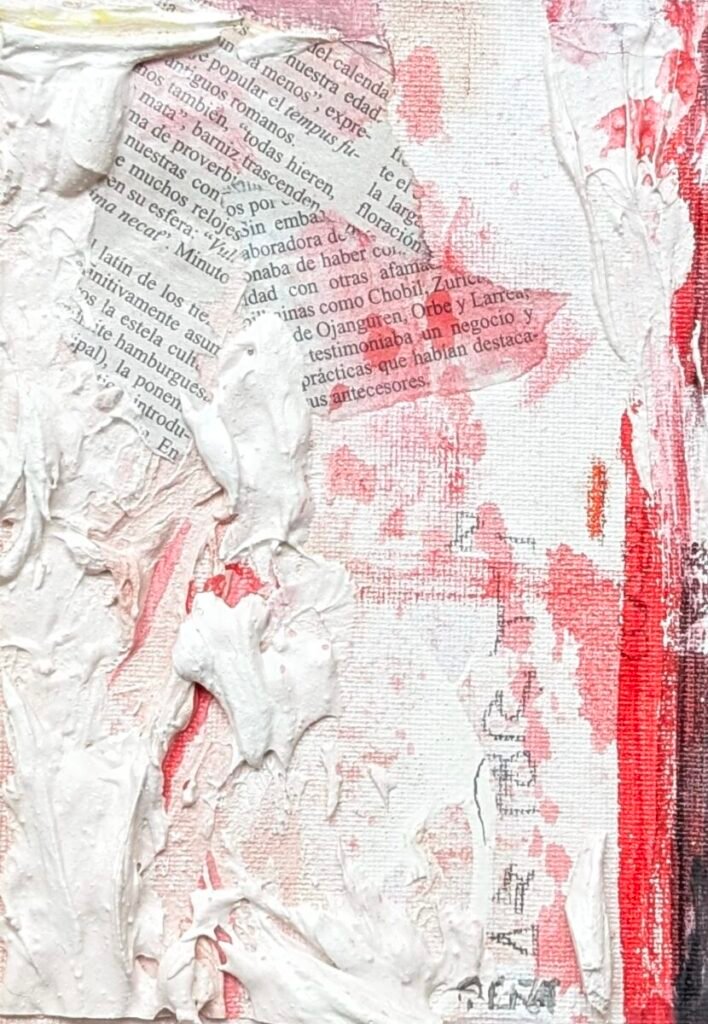
The contemporary art scene in New York, particularly in areas such as Chelsea and Brooklyn, has shown a renewed interest in material-driven practices. Artists are incorporating industrial elements into their work—plaster, steel, fabric—not simply as mediums, but as conceptual tools.
This shift reflects a broader cultural movement: the need to feel something real in an increasingly digital and immaterial world.
Plaster and Steel as Emotional Language
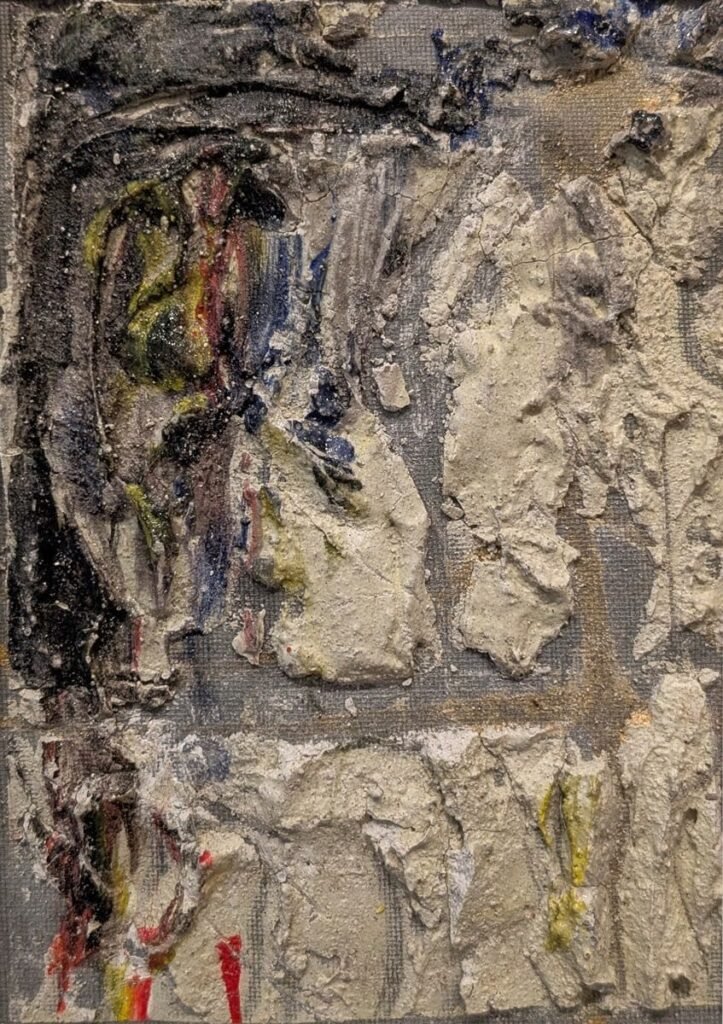
Plaster introduces weight, fragility, and tension. Steel brings resistance, rigidity, and permanence. When these materials coexist on canvas, they create a dialogue between opposing forces.
This dialogue mirrors emotional duality—control versus chaos, presence versus absence, structure versus erosion.
In this context, abstraction becomes less about form and more about experience.
Urban Influence: The New York Condition
New York is not simply a location—it is a condition. A constant friction between isolation and overstimulation. Between anonymity and exposure.
Textured abstraction allows artists to translate this condition into physical surfaces. Layers accumulate like memories. Cracks emerge like fractures in perception. Materials collide like narratives in conflict.
Beyond Aesthetics
What defines this new wave of abstraction is not visual appeal, but intensity. The surface is no longer something to observe—it is something to confront.
Material painting transforms the canvas into a space of resistance. It invites the viewer not just to see, but to feel density, weight, and emotional pressure.
Conclusion
As contemporary art continues to evolve, textured abstraction stands out as one of the most honest responses to urban life. In cities like New York, where everything accumulates—time, matter, emotion—painting becomes a way to hold that accumulation in place.
Through plaster, steel, and fabric, abstraction gains a new dimension: one that is physical, emotional, and undeniably real.