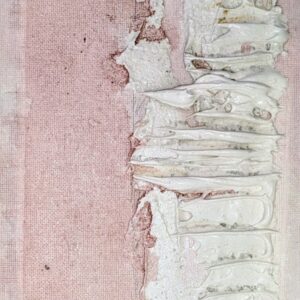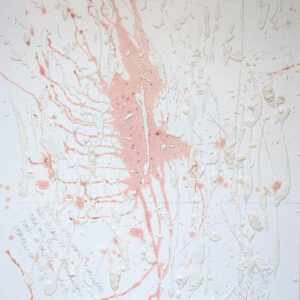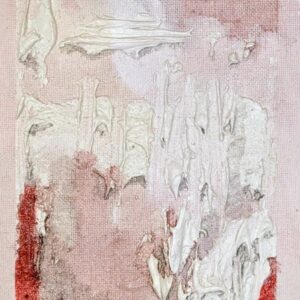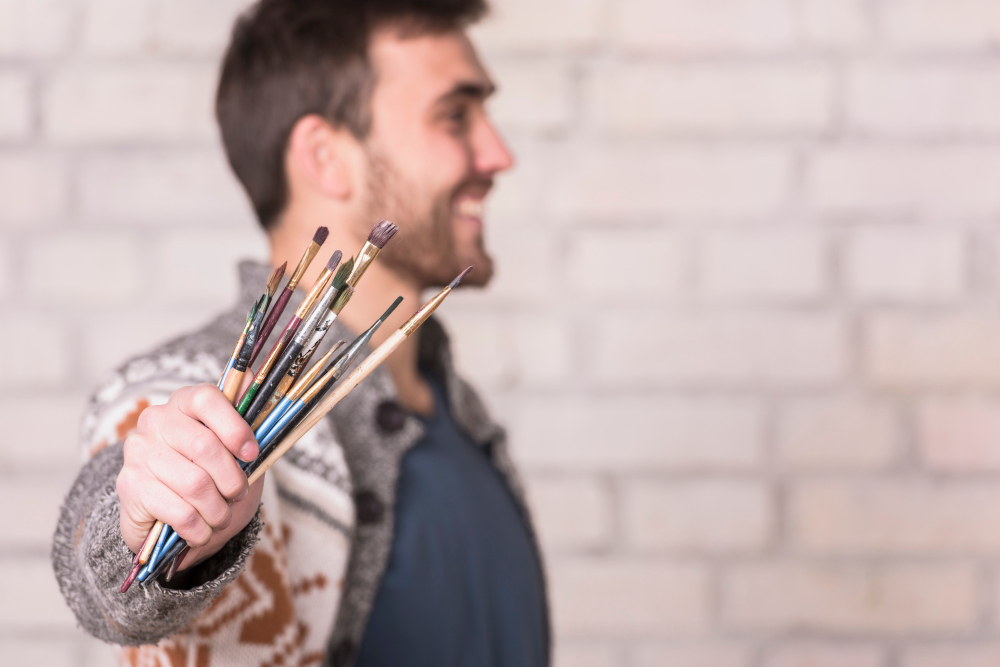
Realistic painting requires precise brushwork and careful observation. Techniques such as layering, dry brushing, stippling, and glazing enable artists to replicate textures, light, and shadow accurately. Understanding brush pressure, angle, and stroke length is essential for achieving lifelike effects.
Colors must be blended gradually, using subtle transitions to replicate natural gradients and tonal variations. Professionals often combine multiple brush types and sizes to add depth, detail, and texture, creating pieces that feel three-dimensional and dynamic.
Practicing still lifes, portraits, or landscapes helps beginners develop control and accuracy. Observing how light interacts with surfaces improves color mixing and shading skills. Realistic techniques can also be applied to walls, murals, or decorative projects to achieve polished, professional results.Mastering brush techniques ensures that every painting communicates depth, emotion, and realism, providing a visually compelling experience for viewers.