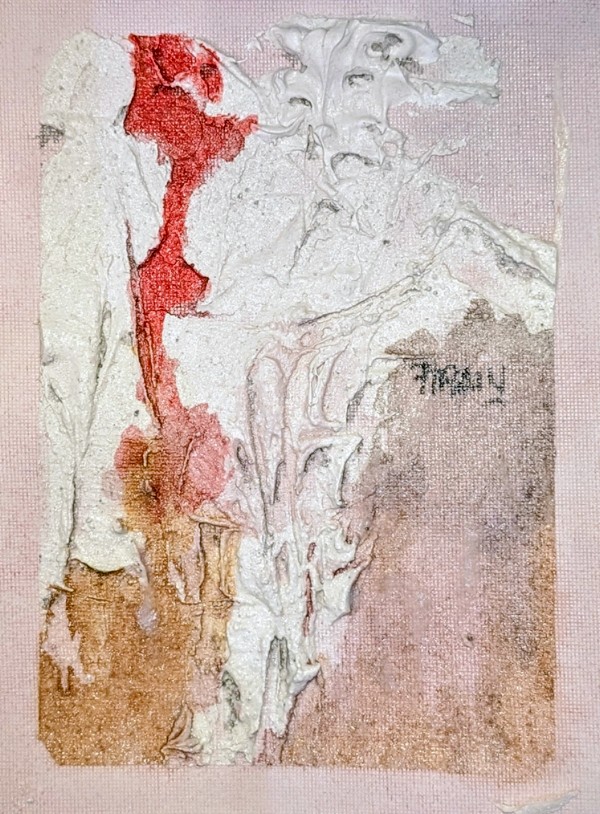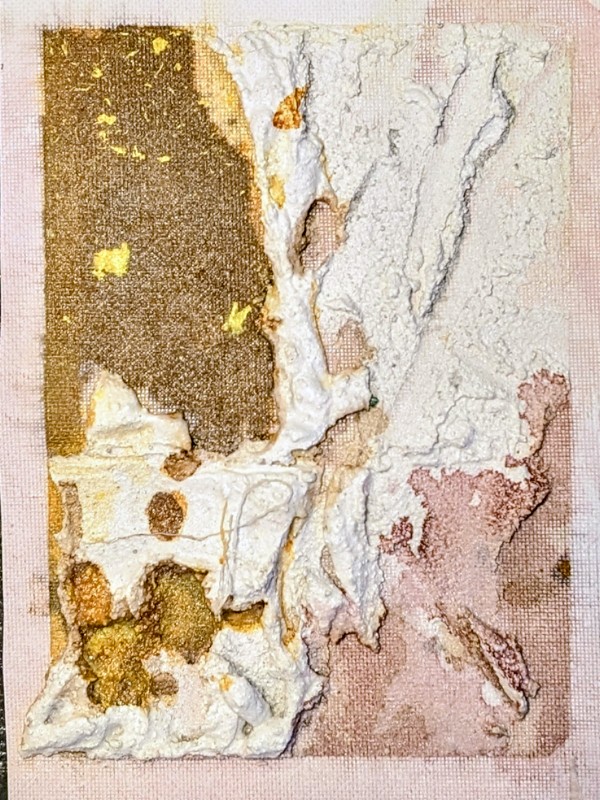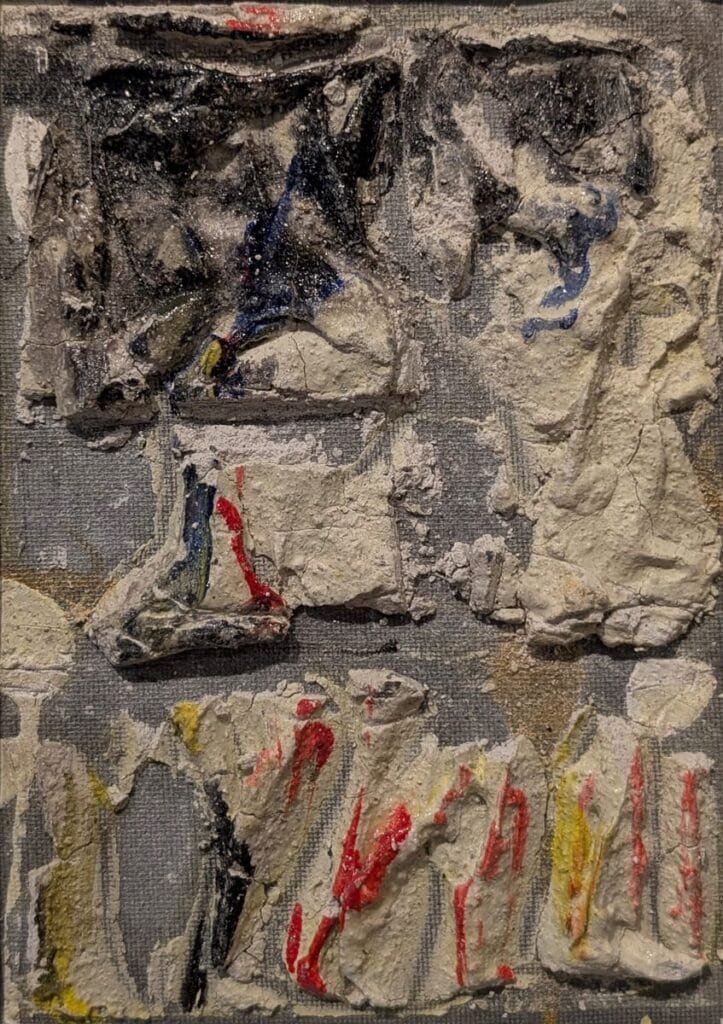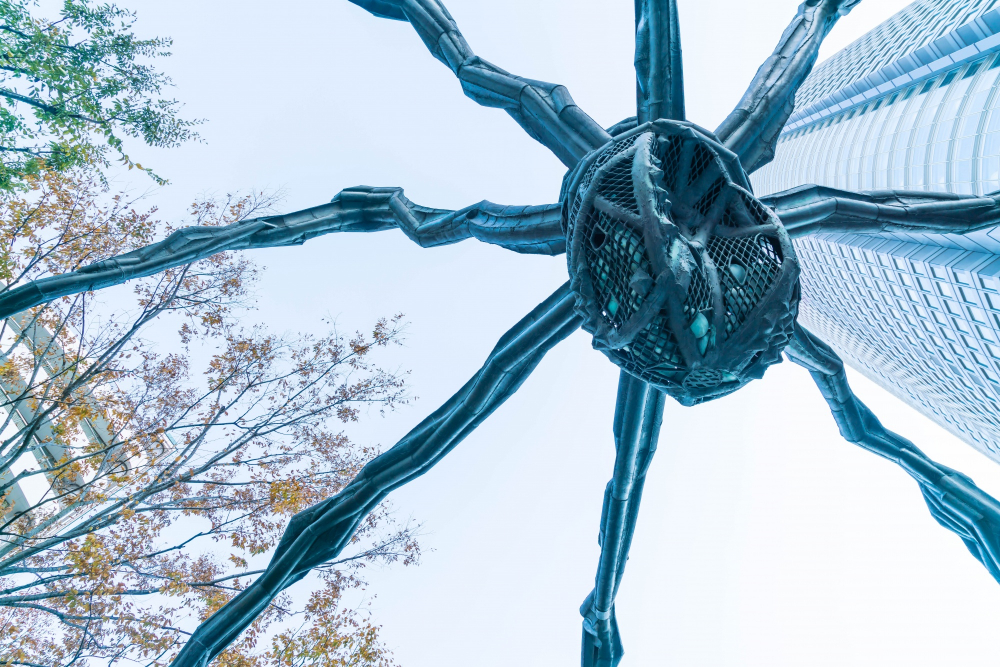
The corporate architecture of Singapore defines the skyline of modern Asia. Within the towering skyscrapers of Raffles Place, Marina Bay, and Tanjong Pagar, the environment is engineered for maximum efficiency, precision, and global commerce. However, leading multinational corporations and premium financial institutions realize that sterile workplaces hinder innovation. To foster creativity and project an image of established authority, corporate art curation has transitioned from a minor decorative choice to a major strategic investment.
Modern office spaces are no longer filling walls with generic corporate prints or bright, distracting graphics. Instead, wealth management firms and multinational headquarters in Singapore are acquiring museum-grade industrial abstract art. This deliberate choice aligns perfectly with the values of the financial sector. An artwork that utilizes raw, unyielding materials like structural steel, concrete, and oxidized elements commands respect, projecting an aura of permanence, resilience, and complex problem-solving.
The Psychology of Industrial Abstraction in the Workplace
The visual stimuli within a corporate boardroom or an executive lounge directly impact client perception and employee mindset. In a high-pressure financial hub like Singapore, surrounding corporate executives with material-driven abstract art provides a sophisticated sensory anchor. Flat, digital screens and smooth synthetic panels dominate the workspace; introducing a physical canvas with massive tactile depth creates an immediate contrast that breaks the monotony of the digital environment.
When a client walks into a private wealth office overlooking the Singapore Strait, every detail must radiate stability. Large-format paintings featuring heavy mortar, industrial plaster, and oxidized wire convey a narrative of foundational strength. These materials are the literal backbone of infrastructure and industry. When transformed into fine art, they symbolize a company that understands how to mold raw energy, time, and resources into structured, long-term success.
Furthermore, the intricate textures of informalismo matérico stimulate abstract thinking and cognitive focus. Unlike representational art, which forces a specific narrative, abstract patterns allow the mind to wander and make unexpected connections. For investment bankers, legal experts, and tech executives managing global portfolios, a textured diptych acts as a mental canvas, offering a sophisticated visual break that encourages innovative thinking during intense strategy sessions.
Positioning Large-Format Art in Commercial Real Estate
Integrating fine art into a premium commercial property requires careful spatial planning. Corporate curators and commercial interior designers must treat large-scale industrial paintings as permanent architectural features rather than temporary additions. The placement of these pieces dictates the flow of movement and sets the tone for specific zones within the office layout.
- The Executive Reception: This is the primary touchpoint for high-net-worth individuals and international partners. A massive, textured canvas utilizing dark iron tones and structural textures creates an immediate impression of institutional gravity and refined taste.
- The Main Boardroom: Long conference tables and sharp geometric layouts require a powerful visual anchor. A balanced triptych or a structural diptych provides the necessary scale to command a large conference room, ensuring the artwork is not swallowed by the surrounding architecture.
- Private Executive Suites: For C-suite offices, art should reflect personal leadership and vision. Pieces that highlight the raw passing of time through chemical oxidation and structural curing resonate with leaders who value patience, execution, and long-term planning.
The lighting in modern commercial real estate is typically optimized for screen viewing, which means overhead LED panels are common. To maximize the impact of textured abstract paintings in a corporate setting, curators must implement oblique accent lighting. Angle-adjustable spotlights installed at a thirty-degree angle will project across the canvas surface, highlighting the craters, ridges, and metallic elements, turning the wall into a live architectural installation.
Why Singaporean Corporations Value Material Mastery
The corporate art market in Singapore is highly sophisticated, driven by buyers who analyze investments through the lens of quality, provenance, and physical execution. Discerning corporate art committees look for artists who demonstrate complete material control. They understand that anyone can apply paint to a canvas, but managing the chemical reactions of rusting metal or the curing process of heavy industrial mortar requires engineering precision.
Investing in these complex, physical processes shows a commitment to authentic craftsmanship. An artwork that takes weeks to cure and oxidize represents a tangible dedication to the creative process, mirroring the corporate values of thorough research, flawless execution, and premium delivery. In a fast-paced market that evolves at a digital speed, possessing an artwork of such heavy, physical permanence is the ultimate statement of luxury and corporate distinction.
Ultimately, the integration of industrial abstract art into Singapore’s financial districts bridges the gap between commerce and culture. It proves that a corporate space does not have to sacrifice artistic depth to remain professional. By choosing art that honors the raw elements of time, space, and structure, Singapore’s leading enterprises are establishing workspaces that inspire their teams, impress their global clientele, and solidify their cultural legacy.
Dime si pasamos al Post 3 con este mismo ritmo y nivel de optimización.