Author: felipepen@.@rt

  • Mastering Brush Techniques for Realism

    Mastering Brush Techniques for Realism

    Realistic painting requires precise brushwork and careful observation. Techniques such as layering, dry brushing, stippling, and glazing enable artists to replicate textures, light, and shadow accurately. Understanding brush pressure, angle, and stroke length is essential for achieving lifelike effects. Colors must be blended gradually, using subtle transitions to replicate natural gradients and tonal variations. Professionals…

  • Exploring Minimalist Painting Styles

    Exploring Minimalist Painting Styles

    Minimalist painting emphasizes simplicity, clarity, and intentionality. By reducing unnecessary details and focusing on essential shapes, lines, and colors, artists create visually striking compositions that evoke calm and balance. Minimalism allows viewers to connect with the core message of a piece without distraction. Colors in minimalist painting are usually limited, often using neutral tones, monochromes,…

  • How to Choose the Best Paint Colors for Your Space

    How to Choose the Best Paint Colors for Your Space

    Selecting the right paint colors is essential to creating the perfect ambiance in any room. Color impacts mood, perception of space, and the overall feel of interiors. Warm tones such as reds and yellows energize rooms, while cool shades like blues and greens promote calmness and relaxation. Professional painters evaluate lighting, room size, and existing…

  • Essential Techniques for Mural Painting

    Essential Techniques for Mural Painting

    Mural painting transforms ordinary walls into captivating works of art. Successful murals require knowledge of surface preparation, design, and technique. Sketching designs and selecting colors carefully ensures that the final mural matches vision and space aesthetics. Techniques such as layering, glazing, and blending are essential to create depth, texture, and realism. Artists must also consider…

  • Choosing the Right Finish for Your Paintings

    Choosing the Right Finish for Your Paintings

    Selecting the right finish is critical to achieving the desired look and longevity of any painting. Finishes such as matte, satin, and gloss each offer unique visual and functional effects. Matte finishes reduce glare and highlight texture, while gloss finishes enhance color intensity and reflectivity, creating a polished appearance. The type of finish also influences…

  • Using Texture to Add Interest to Your Artwork

    Using Texture to Add Interest to Your Artwork

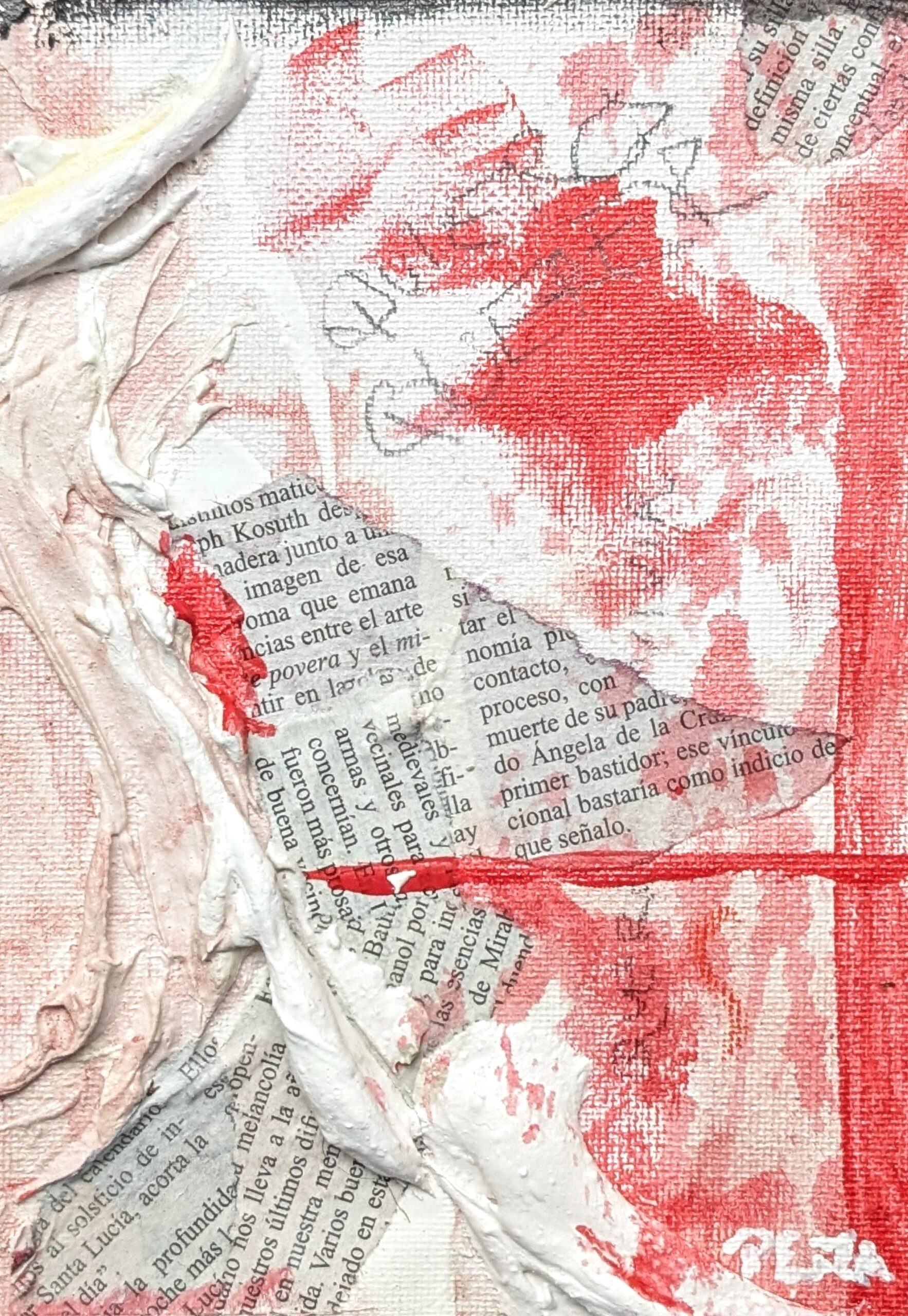
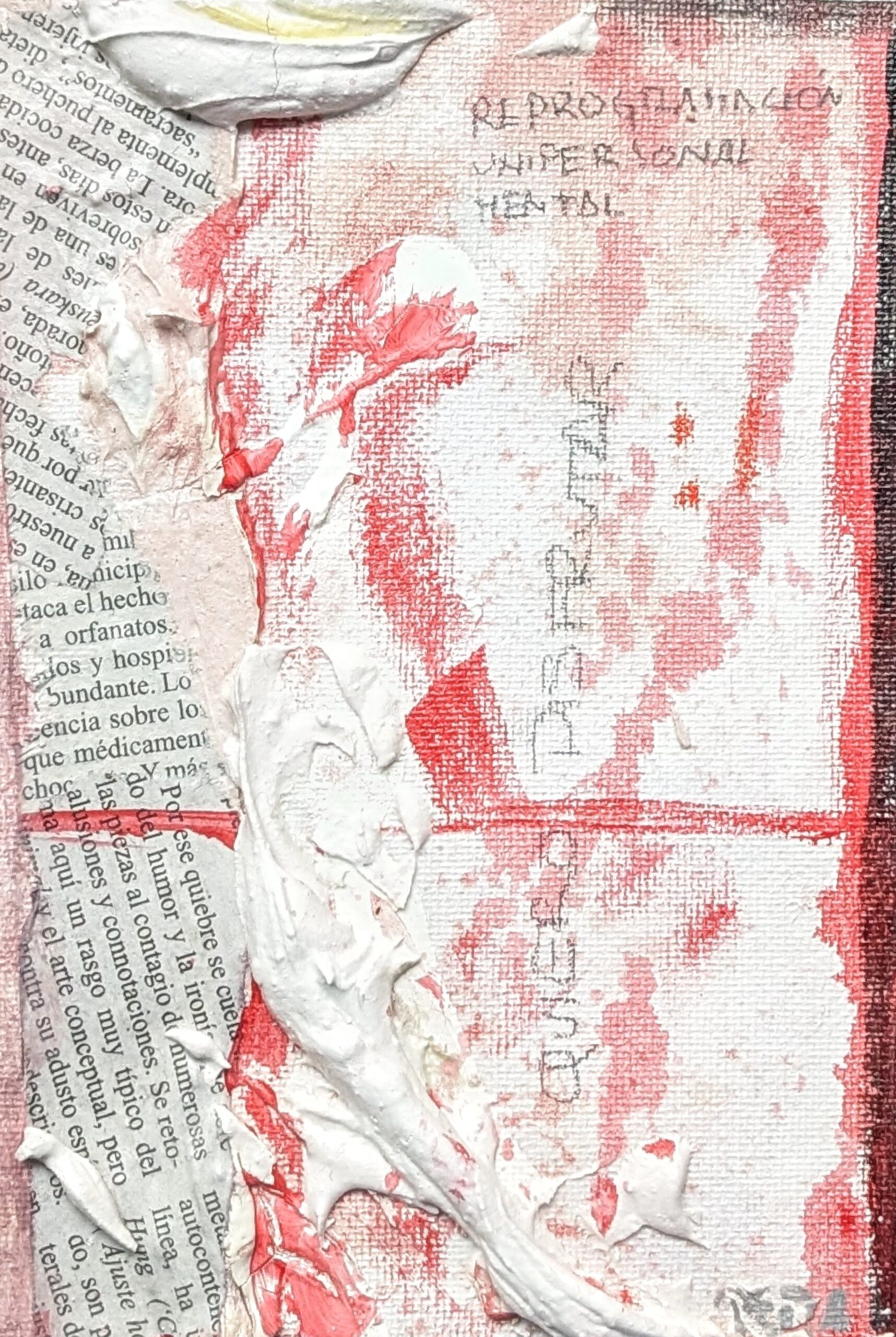
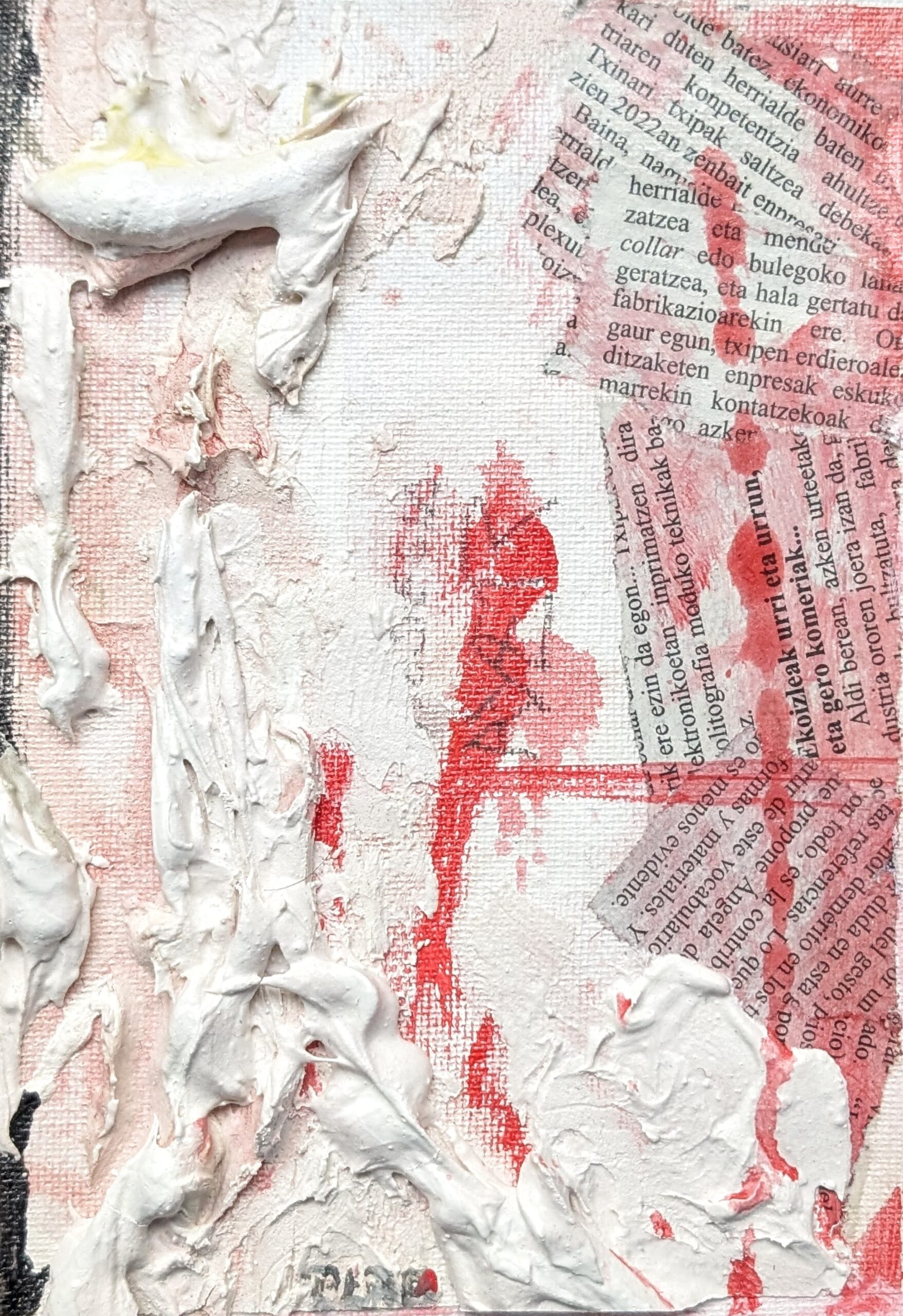
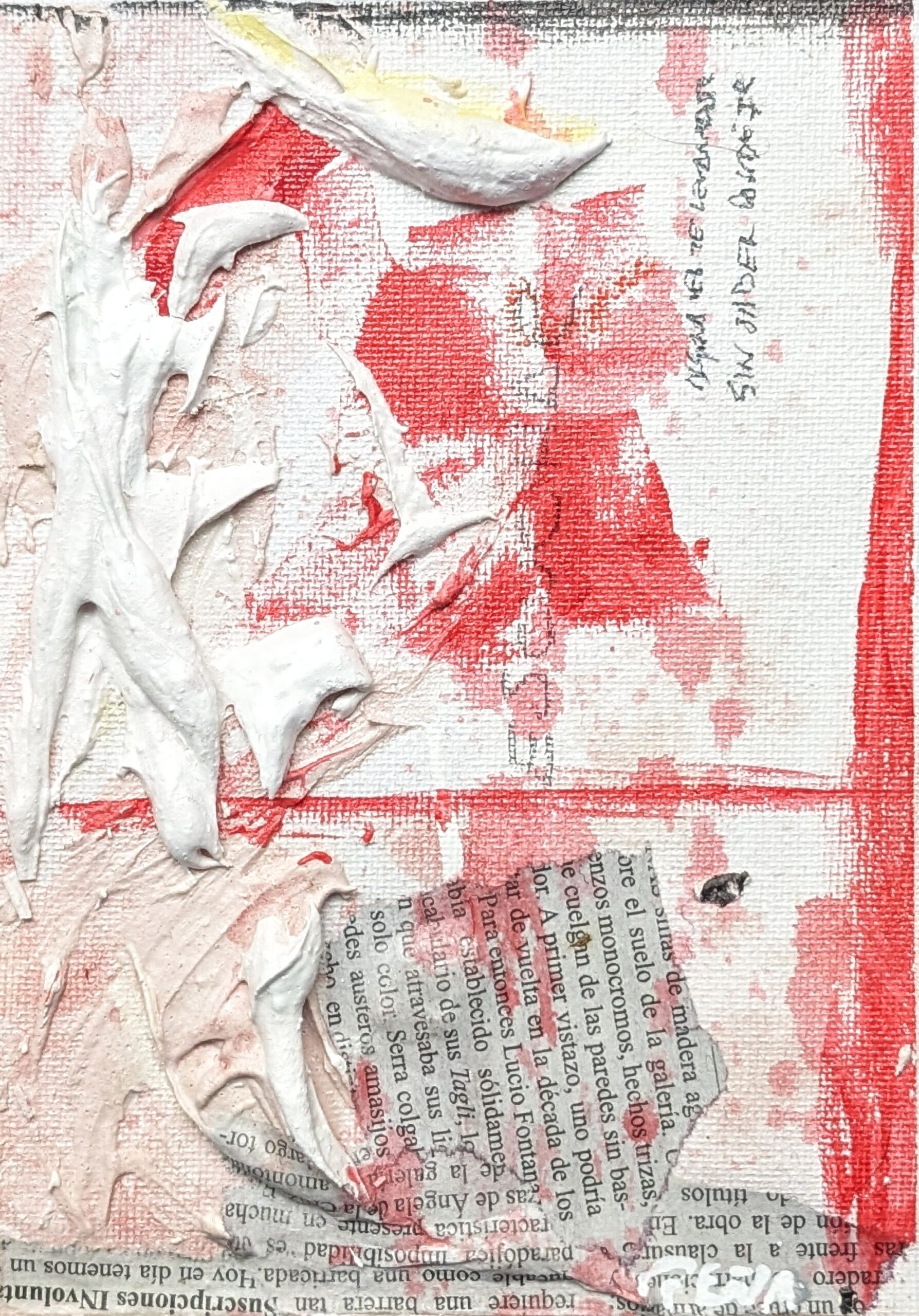
    Texture is one of the most effective ways to make a painting visually engaging. Techniques like impasto, stippling, and palette knife strokes create tactile interest, giving artwork depth and movement. Even subtle variations on smooth surfaces can catch light differently, adding dimension and richness. Different tools, from brushes to sponges, offer unique textural effects. Layering…

  • Layering Colors for Dynamic Effects

    Layering Colors for Dynamic Effects

    Layering colors is a powerful technique that adds depth, vibrancy, and visual interest to paintings. By applying thin, transparent layers, artists can build rich tones, enhance textures, and create subtle gradients that make artwork come alive. Beginners should start with light washes, gradually adding intensity and contrast for a professional finish. Understanding how colors interact…

  • Using Color Psychology in Painting

    Using Color Psychology in Painting

    Color psychology can transform the atmosphere of a space and influence emotions. Warm colors like red, orange, and yellow evoke energy, passion, and warmth, while cool colors like blue, green, and violet create calmness, serenity, and focus. Understanding how color affects mood is essential for both interior design and art. Professional painters consider color harmony,…

  • Felipe Peña / Felipe Pena – How to pronounce my name

    Felipe Peña / Felipe Pena – How to pronounce my name

    My artistic name is Felipe Peña, pronounced by a Spanish speaker as “Feh-LEE-peh PEN-ya”.For international use, I often write Felipe Pena (without the tilde) to ensure clarity in digital systems, search engines, and international contexts.Regardless of the writing, the signature on my artworks reads PEÑA, maintaining the original identity. A bit of history The choice…

  • Techniques for Smooth Wall Finishes

    Techniques for Smooth Wall Finishes

    Achieving a smooth, flawless wall finish requires technique, patience, and the right materials. Begin by properly preparing the surface: clean, sand, and prime it to ensure adhesion and longevity. Using quality rollers or brushes allows for even application and minimal streaks. Layering thin coats instead of one thick coat prevents drips and uneven texture. Professionals…

Related products