Car Art Order (items: 0)
| Product | Details | Total |
|---|---|---|
|
Save
|
Free Studio Pickup
EU Shipping: 27€
Worldwide Shipping: 47€


Layering colors is a powerful technique that adds depth, vibrancy, and visual interest to paintings. By applying thin, transparent layers, artists can build rich tones, enhance textures, and create subtle gradients that make artwork come alive. Beginners should start with light washes, gradually adding intensity and contrast for a professional finish. Understanding how colors interact…

Color psychology can transform the atmosphere of a space and influence emotions. Warm colors like red, orange, and yellow evoke energy, passion, and warmth, while cool colors like blue, green, and violet create calmness, serenity, and focus. Understanding how color affects mood is essential for both interior design and art. Professional painters consider color harmony,…

My artistic name is Felipe Peña, pronounced by a Spanish speaker as “Feh-LEE-peh PEN-ya”.For international use, I often write Felipe Pena (without the tilde) to ensure clarity in digital systems, search engines, and international contexts.Regardless of the writing, the signature on my artworks reads PEÑA, maintaining the original identity. A bit of history The choice…

Achieving a smooth, flawless wall finish requires technique, patience, and the right materials. Begin by properly preparing the surface: clean, sand, and prime it to ensure adhesion and longevity. Using quality rollers or brushes allows for even application and minimal streaks. Layering thin coats instead of one thick coat prevents drips and uneven texture. Professionals…

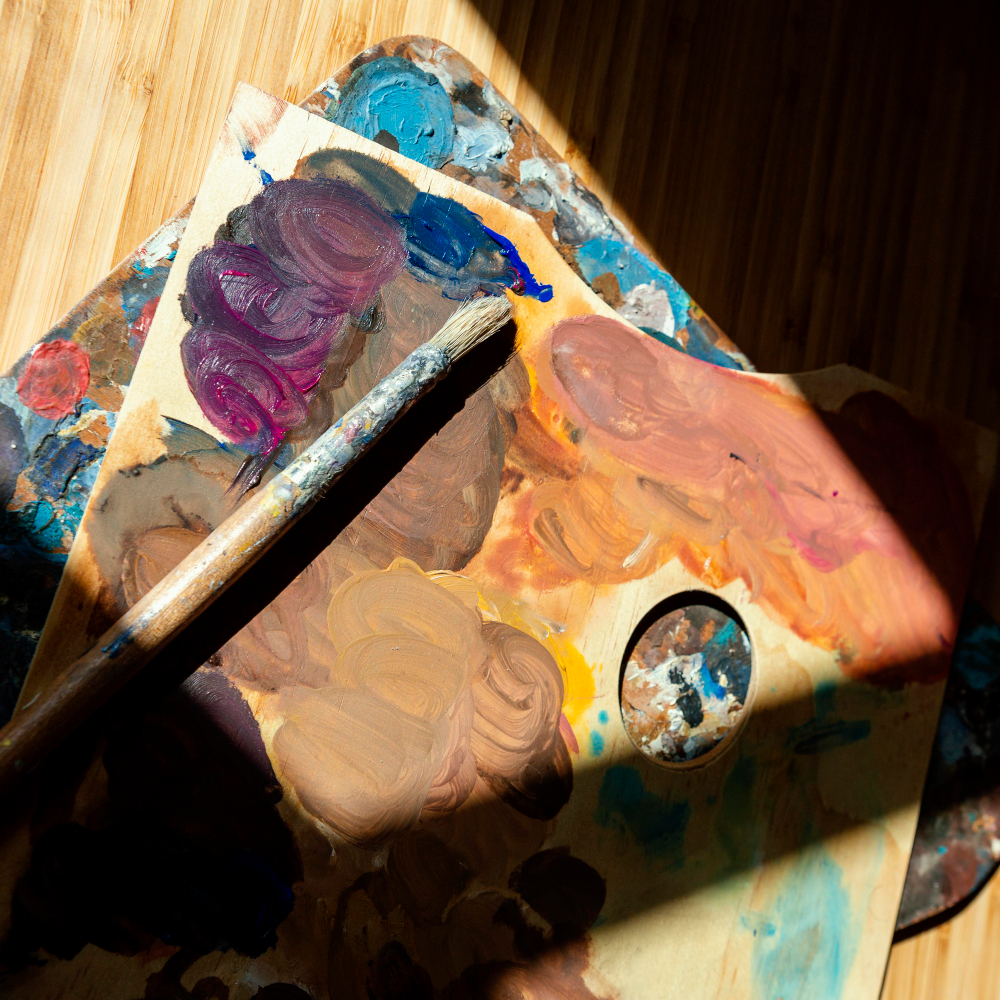
Every painter needs the right tools to succeed. Brushes, palette knives, sponges, and rollers each serve specific purposes. High-quality brushes ensure precise lines, smooth blending, and consistent texture. Palette knives create bold, textured strokes that add dimension and character. Other essential tools include paint trays, easels, and mixing palettes, which provide structure and convenience. Proper…

Abstract painting allows freedom of expression beyond realism. Artists focus on color, form, and texture to convey emotions, ideas, or energy. Techniques like splattering, layering, and brushwork experimentation create dynamic, unpredictable effects. Acrylics are ideal for quick abstract projects, while oils allow rich blending and depth. Abstract art emphasizes movement and rhythm, capturing the viewer’s…

Light is one of the most powerful elements in painting. Understanding how light interacts with objects can bring depth, drama, and realism to your artwork. Highlights and shadows create a three-dimensional effect, making scenes feel alive. Painters use techniques like chiaroscuro, glazing, and contrast layering to control light intensity and direction. The choice of colors…

Choosing a painting style helps define your artistic voice and ensures your space or project reflects personal taste. Styles range from realism and impressionism to modern abstract or contemporary murals. Understanding each style’s characteristics guides color selection, brushwork, and composition. Experimenting with multiple styles allows artists to discover preferences and strengths. For interior projects, consider…

Painting can be enjoyable, but safety is essential for successful outcomes. Always work in well-ventilated areas, especially when using oil paints, solvents, or strong primers. Wearing protective gear, such as gloves, masks, and eyewear, prevents irritation or inhalation of harmful chemicals. Proper storage of paint, brushes, and cleaning agents reduces risks and ensures durability of…

Texture adds tactile and visual interest to paintings, making them engaging and dynamic. Techniques such as impasto, stippling, and palette knife work allow artists to manipulate paint thickness, creating movement and dimension. Even smooth surfaces can benefit from subtle textural variations, which catch light and add depth to compositions. Different tools create different effects. Brushes,…