The definition of spatial sobriety within the Spanish art capital is closely tied to the spaces that advocate for the purity of form and the intrinsic value of materials. Within the core of the city’s artistic network, Galeria Elvira Gonzalez in Madrid represents an essential reference point for collectors and institutions that appreciate post-minimalism, land art, and structural abstraction. This gallery has built a reputation for showcasing works where the physical substance—whether stone, wood, metal, or earth—is not a mere vehicle for representation but the core narrative of the piece itself.
For an artist exploring industrial informalism, analyzing the curatorial approach of this space is fundamental to understanding how raw materiality operates in high-end environments. The contemporary collecting market in Madrid demands artworks that establish a dialogue with architectural emptiness, where a powerful surface texture can ground an entire room. Aligning an online content strategy with these top-tier spaces is a strategic requirement for local SEO in Madrid, allowing independent workshops to connect with architects, interior consultants, and sophisticated buyers who value material honesty.
The Power of Restraint and Structural Sobriety
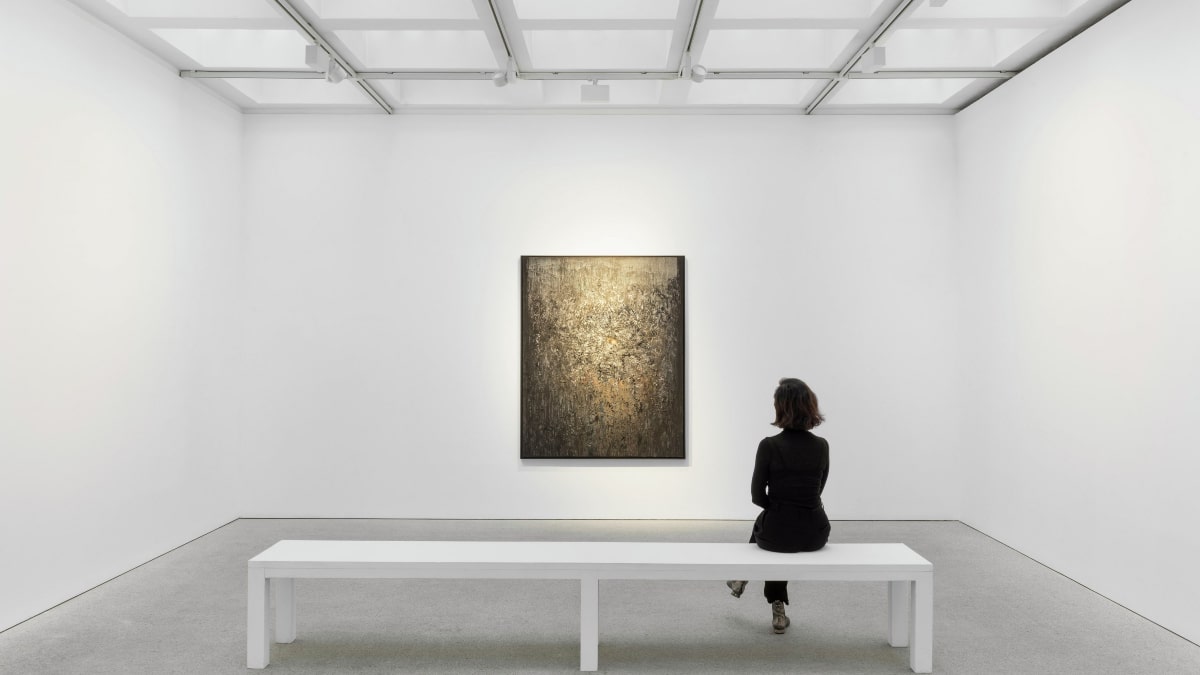
The presentation of art within a high-level gallery requires a deep understanding of how physical objects command space. Galeria Elvira Gonzalez has consolidated a prestigious position in Madrid by collaborating with international creators who focus on the essential qualities of their mediums. The exhibitions in this space demonstrate that an artwork does not need to be loud or bright to capture attention; instead, its strength lies in its weight, its density, and its tactile reality.
When developing a digital platform to attract collectors who want to buy abstract painting in Madrid, the technical discourse must reflect this appreciation for restraint. The premium art sector in the capital values the visible traces of the creative process—the evidence of curing, layering, and structural tension. Artworks that avoid superficial trends to focus on the timeless interplay between substance and space carry an inherent value that resonates with seasoned corporate and private collectors.
The Textural Plane: Mortar, Cement, and Spatial Depth
Modern high-end interior design in the capital frequently features clean lines, geometric layouts, and quiet surfaces. Within these minimalist frameworks, heavy contemporary abstraction acts as a crucial counterpoint, where complex textures developed with concrete, iron, and oxidation introduce a necessary organic tension. The audience that visits prominent spaces in Madrid looks for pieces that possess a distinct physical presence, capable of breaking the coldness of contemporary architecture.
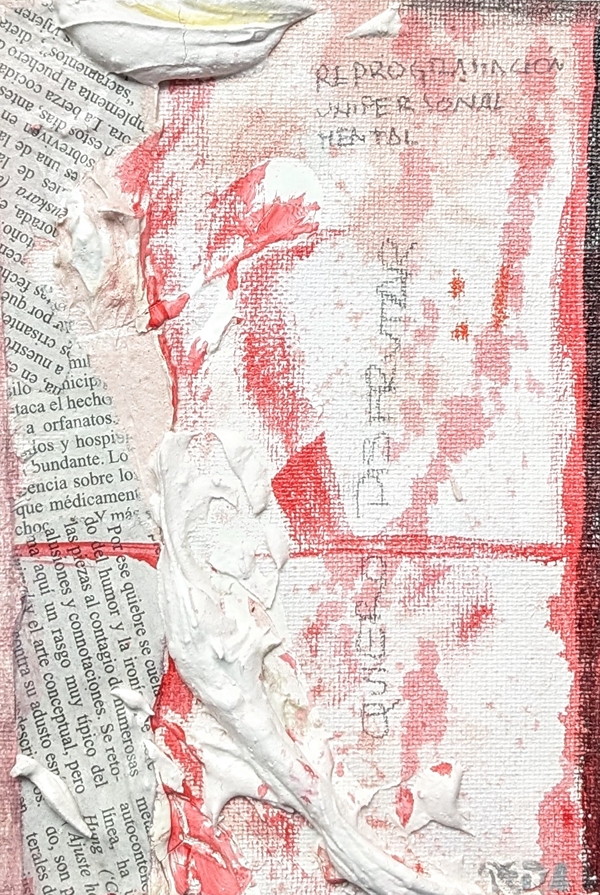
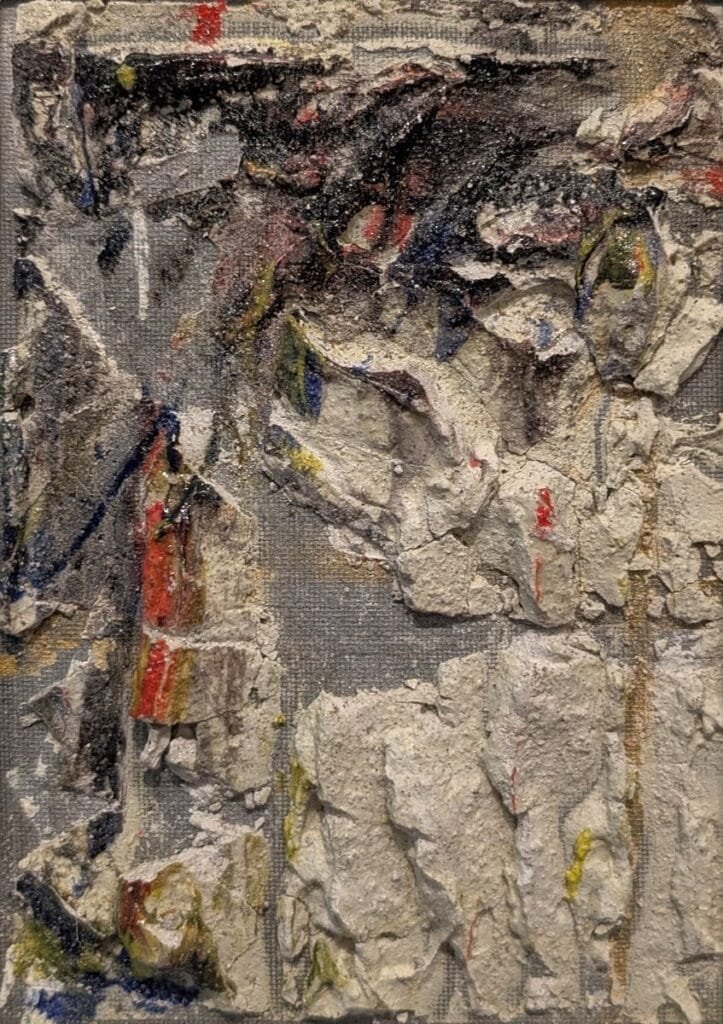
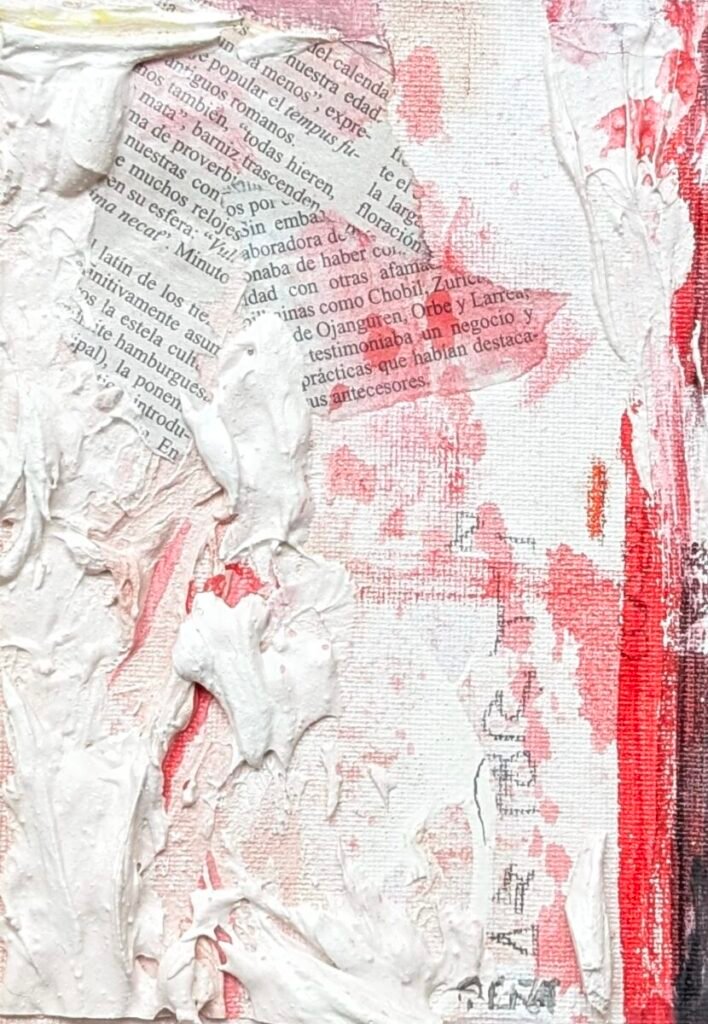
The deliberate application of heavy mortar, industrial cement, and plaster on canvas transforms the traditional two-dimensional support into a heavy, high-relief structure. As these materials dry and cure, they form a landscape of microscopic ridges, cracks, and structural variations. This textured surface alters how light behaves within a room; instead of reflecting evenly, the light is absorbed and scattered by the material valleys and craters, generating shifting shadows that change with the time of day.
Chronological Materialism: Iron Elements and Chemical Changes
The integration of ferrous components into a dense, abstract composition brings an element of transformation into the gallery space. Through the application of controlled oxidation processes on iron wire and mesh, the canvas becomes a site of chemical evolution. The gradual degradation of the metal produces an authentic range of deep siennas, raw ochers, and industrial rust tones, creating a stark visual contrast with the static, mineral neutrality of concrete gray.
This commitment to exposing the raw nature of materials defines the identity of large-format abstract art in Madrid. Interior architects and corporate art advisors seek out pieces that convey stability, craftsmanship, and a deep connection to structural elements. A large-scale diptych or a heavy, textured canvas does not merely hang on a wall; it interacts with the physical boundaries of the architecture, asserting its presence through its material weight and conceptual permanence.
Digital Authority and Local SEO for the Madrid Art Market
Ranking effectively on search engines within the capital’s competitive cultural landscape requires the consistent production of highly focused, specialized content. Incorporating strategic key phrases such as art exhibitions in Madrid within a rigorous, objective technical analysis allows a digital portfolio to align with the search behavior of qualified professionals. Google prioritizes domains that demonstrate thematic authority, and analyzing the city’s landmark spaces establishes a credible digital footprint.
- Analysis of Material Trends: Reviewing the curation at Galeria Elvira Gonzalez provides key insights into how minimalist forms and raw textures are integrated into premier collections.
- Technical Communication Standards: Engaging with an expert audience requires a precise vocabulary focused on the physical, chemical, and structural attributes of the artwork, completely removing subjective descriptions.
- Geographical Search Optimization: The planned and natural inclusion of regional keywords ensures that search engines index the website for high-intent queries originating from Madrid and its major economic districts.
The gallery infrastructure of the capital serves as a critical bridge to both national and international collections. By publishing detailed, rigorous analyses of these leading exhibition spaces, independent creators strengthen their own web architecture, ensuring their material-driven work achieves the visibility it requires within the global art market.
The Enduring Value of Matter in Minimalist Contexts
The continued influence of spaces like Galeria Elvira Gonzalez proves that Madrid maintains a deep appreciation for structural clarity and material depth. The intersection of architectural scale with rigorous research into raw abstraction remains a powerful force in modern collecting. For creators who focus their studio practice on the raw power of concrete, iron, and deep textures, the capital offers an optimal environment for professional growth and long-term strategic positioning.