The architectural landscape of Southeast Asia has undergone a massive transformation over the last decade. In cities like Singapore, where luxury real estate demands absolute perfection, the approach to interior design has evolved beyond mere functionality. Today, high-end residential properties and corporate offices in the Central Business District (CBD) require a sophisticated visual language. This design philosophy relies heavily on creating a balance between sleek modernism and raw, organic elements. Achieving this balance is impossible without understanding the crucial role of tactile depth and structural character.
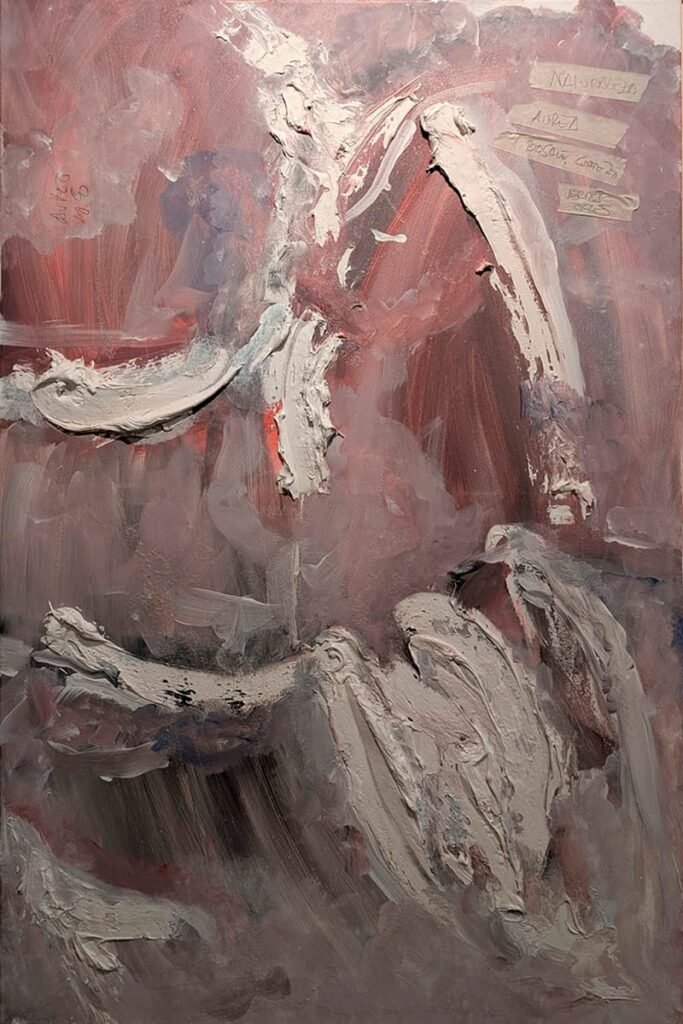
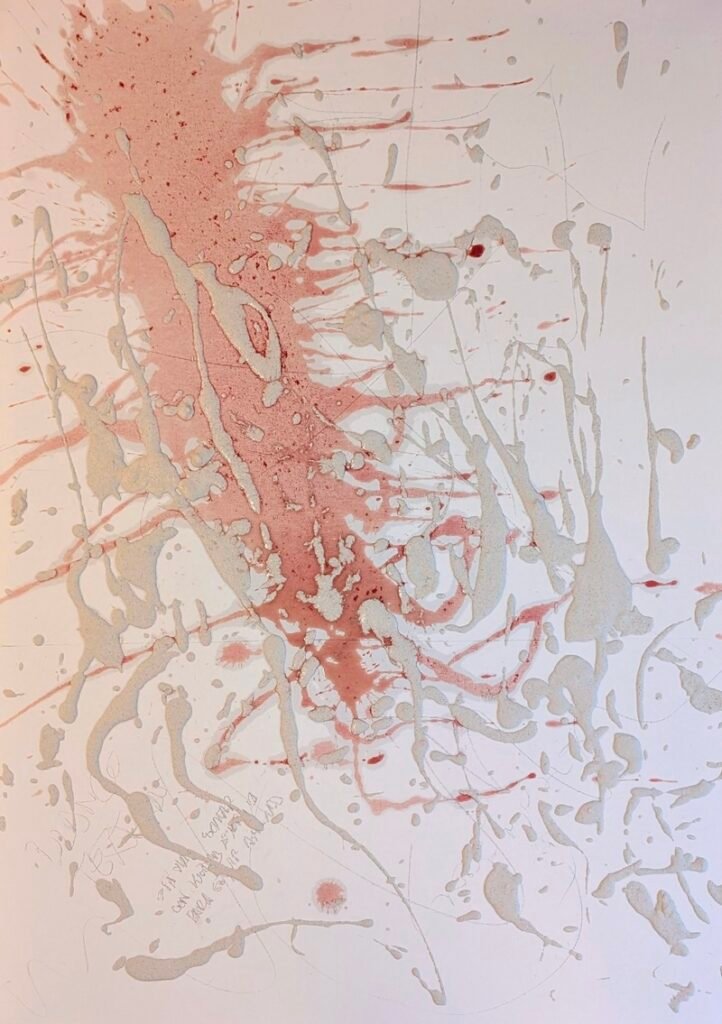
When executing premium interior design for luxury penthouses in Marina Bay or Orchard Road, architects often face the challenge of spatial coldness. Large glass windows, polished marble floors, and minimalist layouts can make an expansive area feel sterile. To counteract this, prominent design firms are turning away from flat, mass-produced decor. Instead, they are prioritizing original abstract art that features heavy textures and industrial materials. Integrating complex surfaces into a space fundamentally alters how light interacts with the room, turning a quiet wall into a dynamic architectural statement.
Why Tactile Depth is Essential in Minimalist Architecture
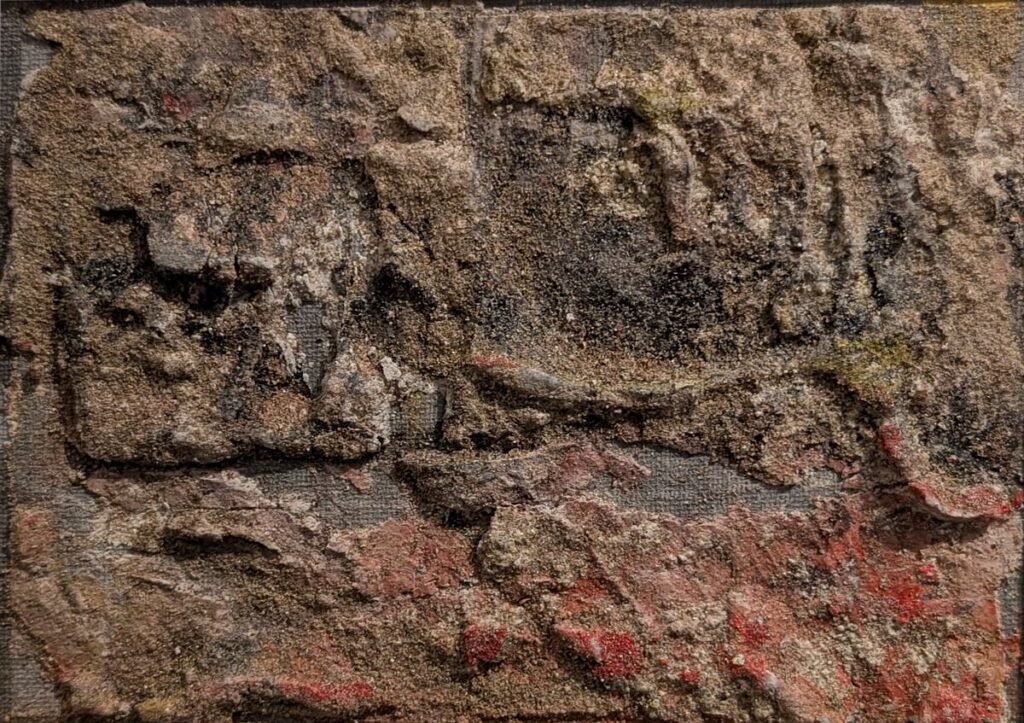
Minimalism remains the dominant aesthetic for luxury properties in Asia, but the modern definition of minimalism has shifted. It is no longer about empty spaces; it is about the curation of impactful textures. Textured abstract art acts as a grounding element in modern minimalist environments, providing a sensory contrast to smooth surfaces like steel, glass, and engineered stone. When a painting incorporates materials like cement, mortar, or oxidized iron, it ceases to be just a visual backdrop and becomes an active participant in the room’s atmosphere.
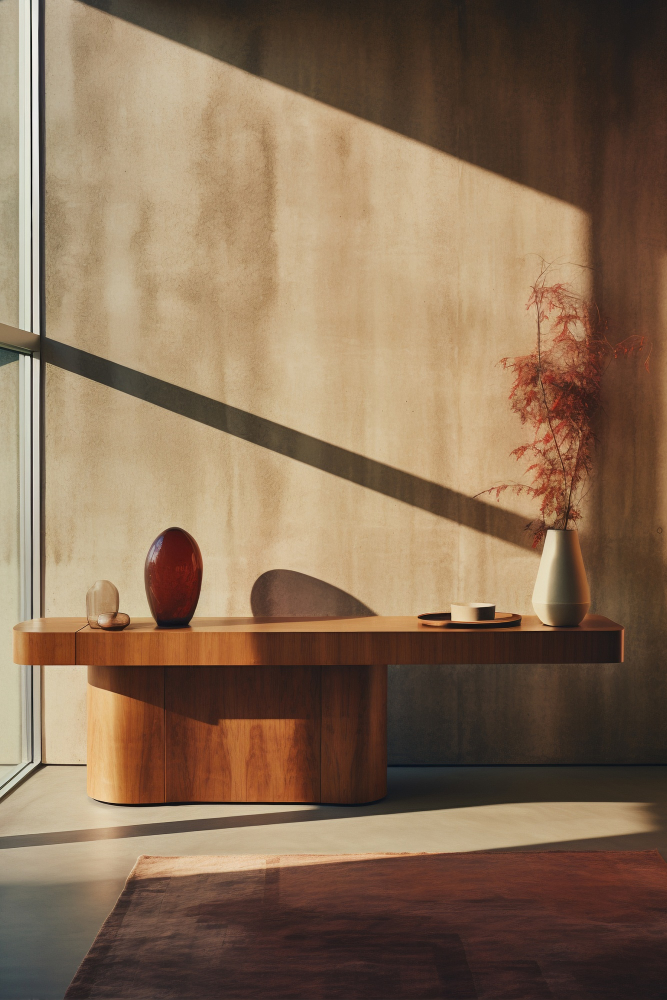
Consider the impact of natural light in a tropical metropolis. In Singapore, expansive floor-to-ceiling windows flood interiors with intense daylight. A flat canvas reflects this light evenly, sometimes causing glare that diminishes the artwork’s details. Conversely, paintings created with industrial abstraction and heavy impasto techniques handle light differently. The physical ridges, valleys, and craters on the surface cast micro-shadows that change throughout the day. As the sun moves from east to west, the artwork shifts in tone and depth, offering a completely different visual experience in the afternoon than it did in the morning.
Furthermore, incorporating raw elements like mortar and concrete into fine art bridges the gap between urban architecture and interior intimacy. These materials are the literal foundation of our modern cities, yet when refined and applied to a canvas, they carry an undeniable sense of sophisticated permanence. For a discerning property owner, this juxtaposition creates a powerful narrative of strength, time, and artistic control.
Attracting the Discerning Singaporean Art Collector
The profile of an art collector in Singapore is highly analytical yet deeply appreciative of authentic, labor-intensive processes. Sophisticated buyers in the Asian art market seek pieces that demonstrate true material mastery. They are not looking for superficial decoration; they want artwork that carries a distinct physical presence and a profound conceptual framework. The integration of structural materials on canvas appeals directly to this demographic because it combines artistic vision with engineering precision.
To capture the attention of this market, an artist must emphasize the physical journey of the materials used. The process of oxidizing wire or layering industrial plaster requires patience and technical expertise, qualities that resonate with collectors who value craftsmanship over fleeting digital trends. When a piece of art takes weeks to form through chemical reactions and structural curing, it gains an intrinsic value that cannot be replicated by standard digital printing or fast-drying acrylics.
Moreover, large-format diptychs and triptychs are highly sought after for corporate boardrooms and luxury lobbies, where scale is necessary to command authority. An office overlooking the Singapore Strait requires art that matches the grandeur of the view. A massive canvas textured with industrial elements conveys stability, innovation, and a forward-thinking mindset. It signals to clients and visitors that the organization values substance, structural integrity, and long-term vision.
Designing with Industrial Abstraction: Tips for Interior Designers
For interior consultants working on luxury projects, selecting the right artwork is just as critical as choosing the layout or the furniture. When incorporating raw, industrial abstract art into a premium residential portfolio, several factors must be considered to maximize the visual impact:
- Analyze the Lighting Schemes: Position textured pieces where they can catch oblique light, either from strategic spotlights or natural side windows, to highlight the depth of the material.
- Balance the Color Palette: Industrial art often features neutral, earthy, or metallic tones. Pair these with rich fabrics like velvet or natural linen to create a harmonious contrast between rough and soft textures.
- Consider Structural Proportions: Large spaces demand substantial art. A heavy, textured diptych can anchor an entire living room, defining the aesthetic direction of the surrounding furniture.
Ultimately, the integration of raw materials like steel and cement into contemporary painting offers an antidote to the digital fatigue of the modern world. In a highly digitalized society like Singapore, surrounding oneself with tangible, physical textures provides a necessary connection to the raw elements of modern existence. It is an exploration of time, space, and energy captured permanently on canvas.
By introducing exclusive textured abstract art into upscale Asian properties, designers do not just fill a void on a wall; they introduce an evolution of urban expressionism. For the modern collector, investing in these material-driven narratives is a definitive statement of taste, sophistication, and an appreciation for the enduring beauty of industrial craftsmanship.
Dime si el enfoque, la densidad de negritas y el estilo técnico te convencen para proceder con el Post 2.