Smoke, Steel, Concrete, and Glass: The Material Poetry of New York
New York is a city of contrasts:
mechanical and organic, loud and silent, concrete and air.
But above all, it is a city of materials — each telling its own story.
Steel that structures, concrete that supports, glass that reflects, and smoke that moves between them.
These elements define the visual language of the city, and the conceptual foundation of my work.
Steel: Lines that hold the city
Steel dominates the skyline. It is the skeleton of New York.
In my work, steel becomes linear structure, lines that guide perception, tension that is visible but intangible.
- Vertical beams → power, verticality
- Intersections → complexity, rhythm
- Raw textures → honesty, material truth
Steel is not decorative. It is functional.
But in abstraction, it becomes a gestural language.
Concrete: Mass and weight
Concrete is the city’s memory. It is heavy, enduring, silent.
In my paintings:
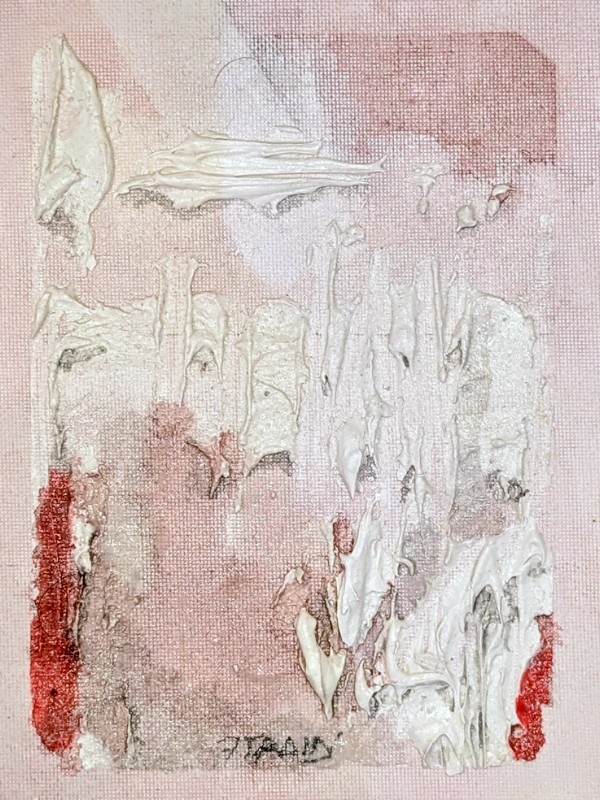
- Mass translates into blocks of color
- Weight translates into visual tension
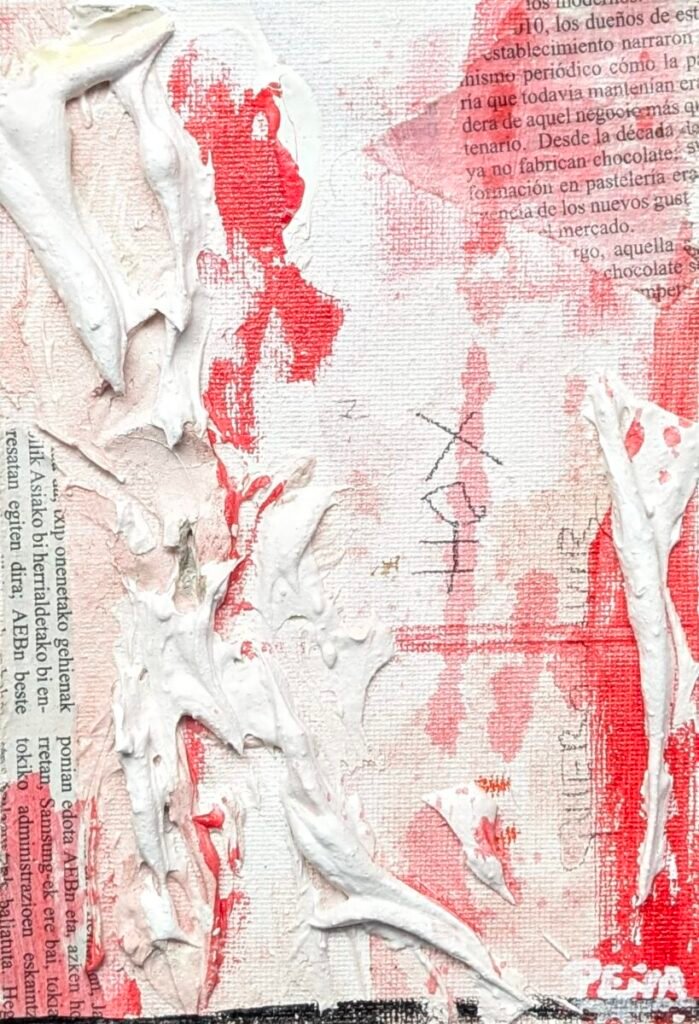
- Flatness suggests solidity, but layered lines create movement
Concrete is the paradox of New York: permanent yet constantly under pressure.
Glass: Reflection and distortion
Glass is transparency and illusion.
It duplicates, refracts, and multiplies reality.
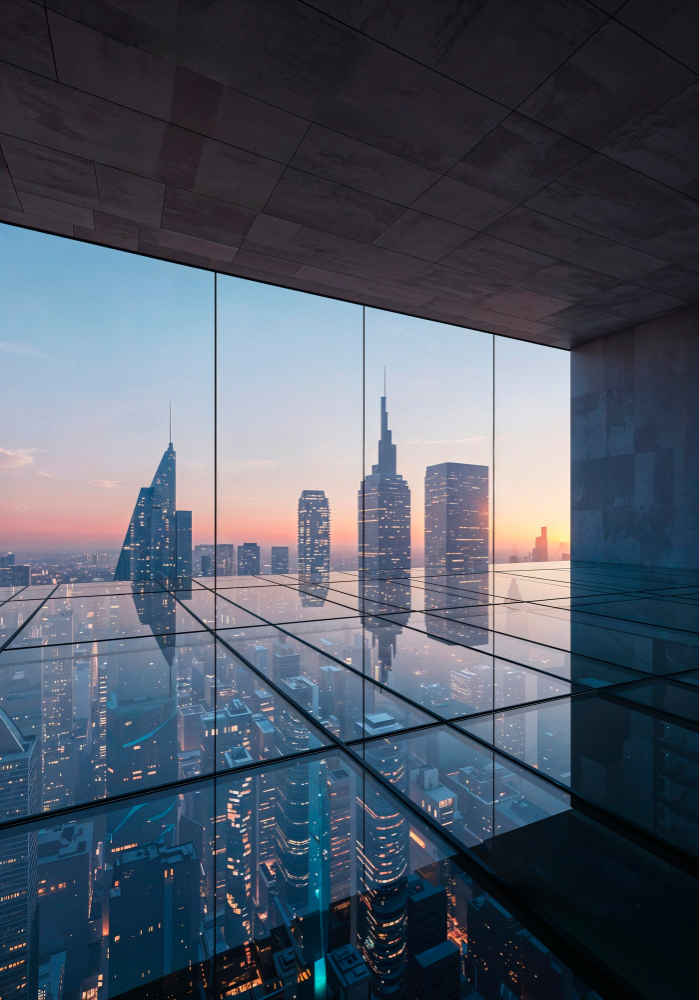
Through glass, New York mirrors itself endlessly, creating fragments of the city that exist only in perception.
In my abstraction:
- Layered surfaces → suggest reflection
- Broken planes → hint at instability
- Light interaction → creates spatial depth
Glass allows the city to be seen without being fully grasped.
Smoke: Movement and atmosphere
Smoke is ephemeral, fleeting.
It moves through steel and concrete, softening, disrupting, revealing.
It represents:
- Motion that cannot be contained
- Ephemeral moments in a permanent structure
- Contrast between hardness (steel, concrete) and fluidity (smoke)
In painting, smoke is gesture, diffusion, the space between structure and emptiness.
New York as material symphony
The city’s identity emerges from the interaction of these elements:
- Steel guides and dominates
- Concrete supports and compresses
- Glass reflects and distorts
- Smoke moves and humanizes
This material interplay becomes the rhythm of abstraction.
It is the physical and emotional landscape of the city distilled into visual form.
Light and shadow: drama in the structure
Steel and concrete are heavy, but light plays a crucial role.
- Shadows create depth
- Reflections create layers
- Diffused light in smoke creates atmosphere
In my paintings, light is not depicted.
It is structured through contrast, color, and texture, allowing the viewer to sense New York’s dynamic presence.
Urban rhythm and abstraction
The combination of these materials defines the city’s pulse:
- Continuous verticality
- Overlapping horizontal planes
- Fragmented, repetitive textures
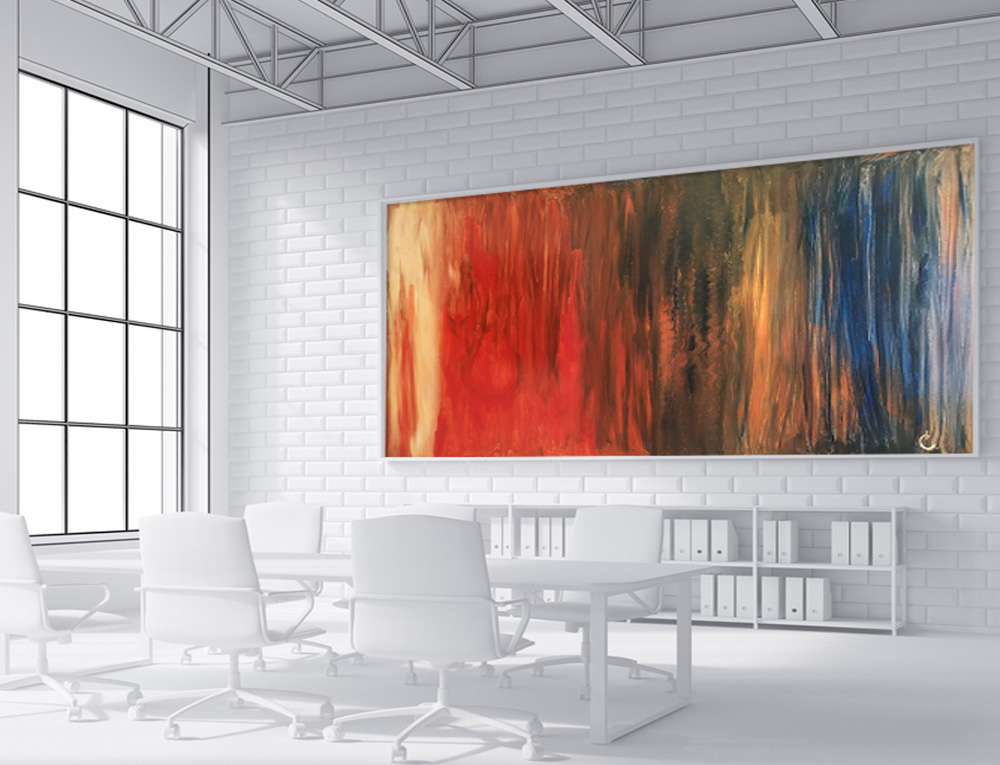
The canvas becomes a field where movement, weight, and atmosphere coexist.
This mirrors the reality of New York — ever-moving, ever-structured, ever-present.
Positioning: Abstract art inspired by New York’s materiality
From an SEO and art-market perspective, this work is positioned at the intersection of:
- Urban abstract painting
- Material-focused contemporary abstraction
- New York inspired conceptual art
It appeals to collectors seeking art that conveys both city identity and abstract universality.
Conclusion: Structure, flux, perception
New York exists in tension:
between permanence and ephemerality, density and air, order and chaos.
Steel, concrete, glass, and smoke are its language.
My paintings translate this language into abstraction.
- They do not show New York literally
- They do not narrate stories
- They embody the city’s rhythm, materiality, and perception
Through this, the viewer experiences the essence of New York —
not as a photograph, but as a living abstract structure.