Solitude in New York: Presence Without Connection
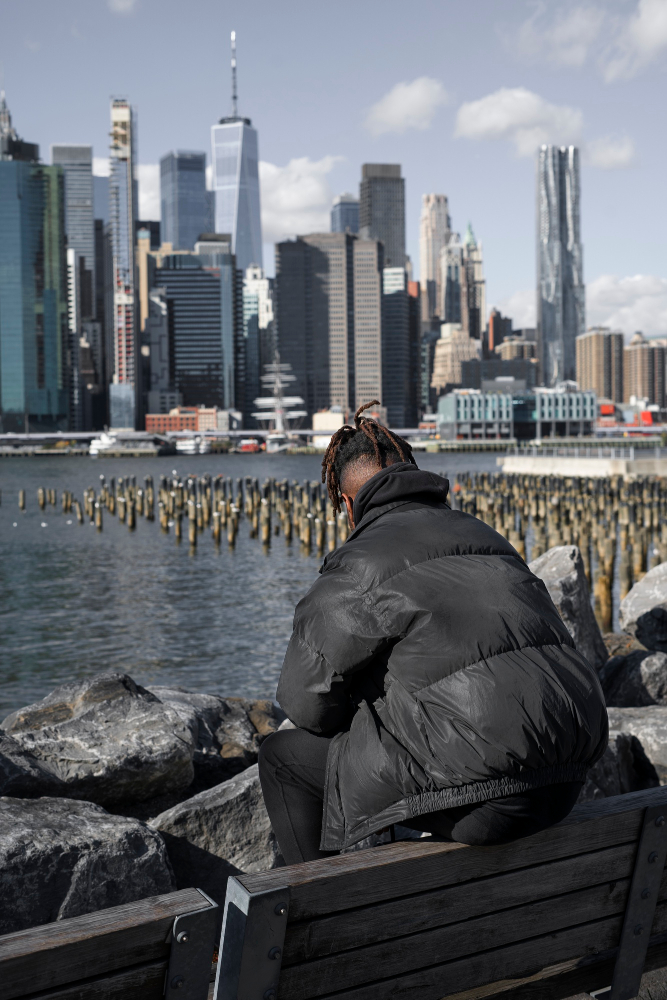
New York is one of the most populated cities in the world.
And yet, it is one of the easiest places to feel completely alone.
This contradiction defines not only the city — but also the emotional structure behind my work.
Because solitude in New York is not the absence of people.
It is the absence of connection within constant presence.
Density and isolation
The streets are full.
The subway is full.
The buildings are full.
Everything is occupied.
But occupation does not mean connection.
People move past each other without interaction.
Eyes avoid contact.
Bodies share space but not experience.
This creates a specific kind of isolation — one that is not empty, but overloaded.
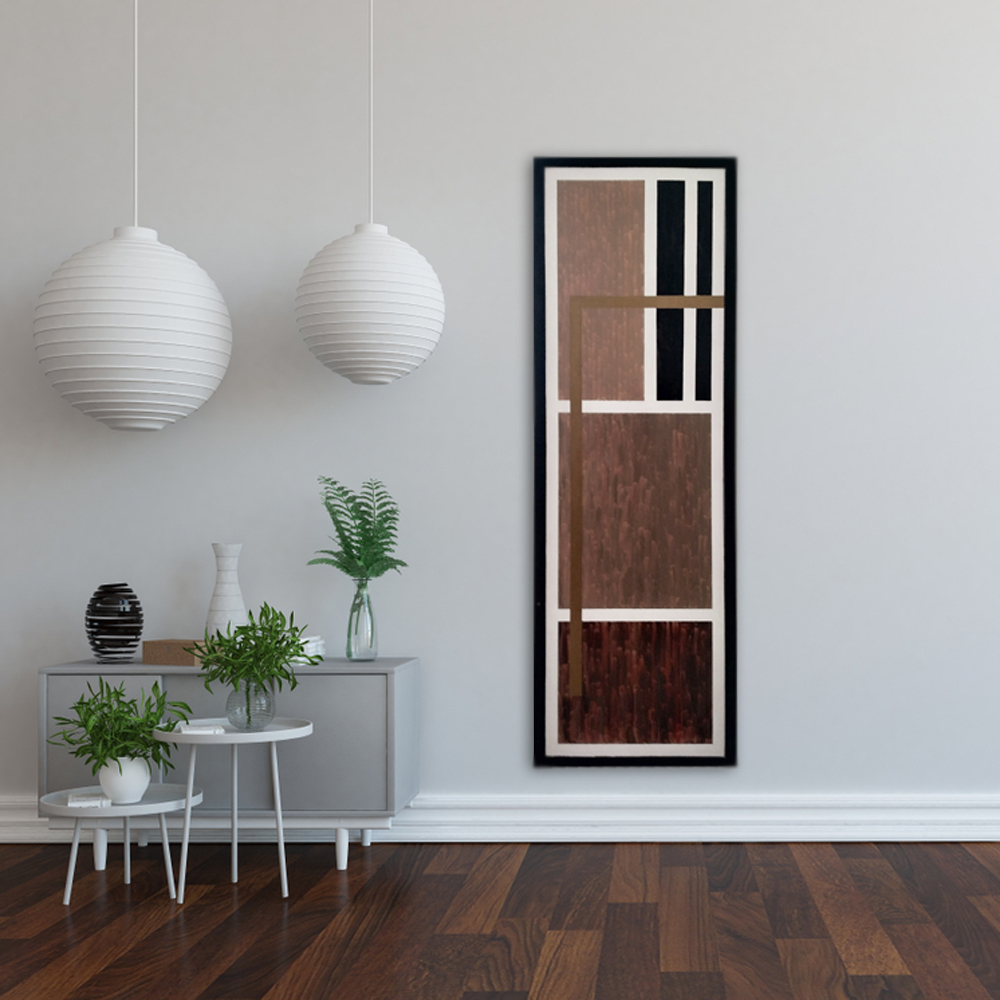
In my paintings, this becomes:
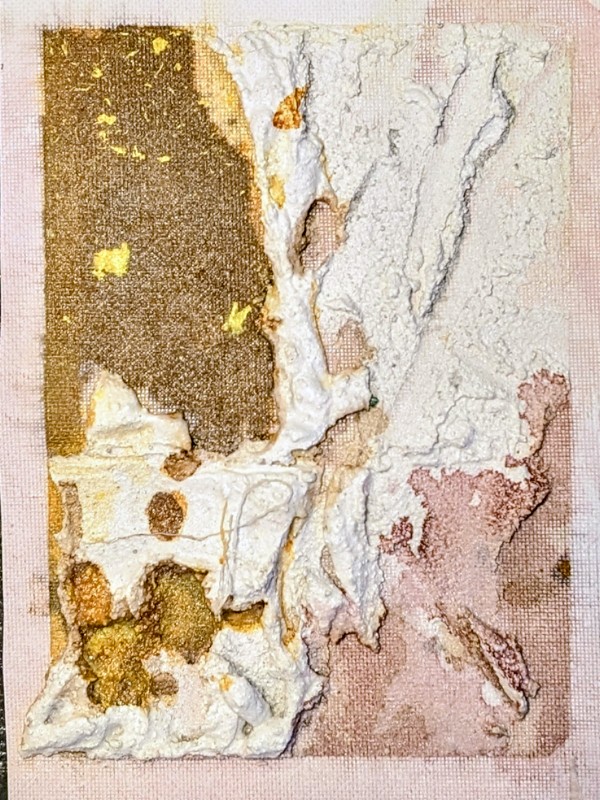
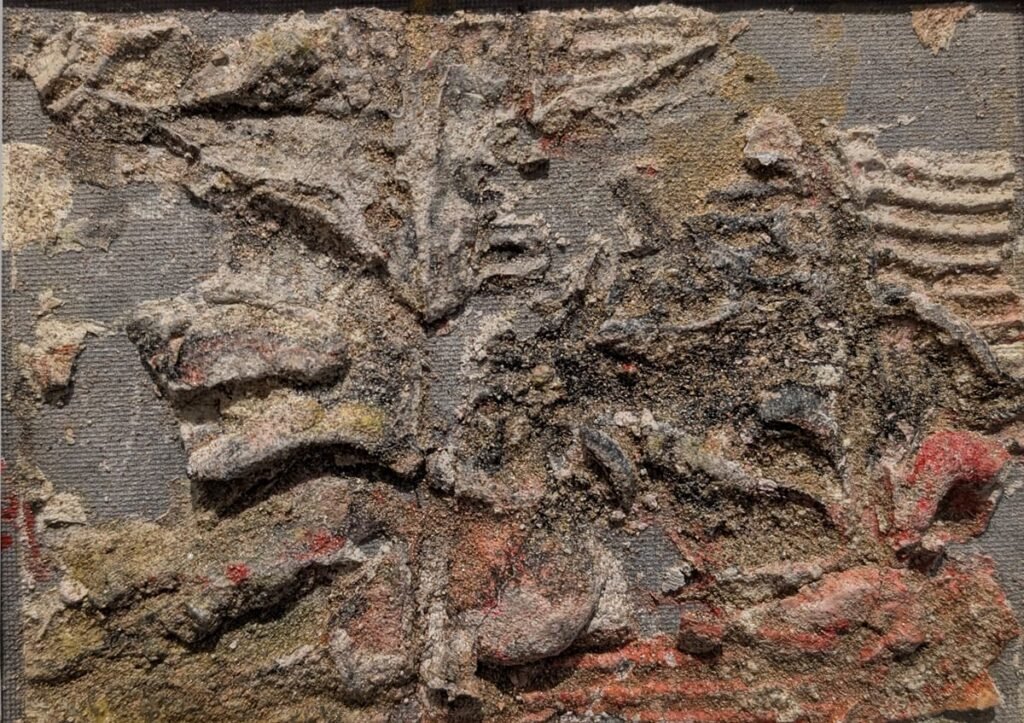
- Dense compositions that feel compressed
- Overlapping elements that never merge
- Structures that coexist without integration
The result is a visual field where everything is present —
but nothing truly connects.
The illusion of proximity
New York creates the illusion that being close to others means being less alone.
But proximity is not intimacy.
You can stand inches away from someone and still exist in completely separate realities.
This tension is central to my work.
I translate it through:
- Lines that run parallel but never intersect
- Layers that overlap but remain independent
- Spaces that feel full but emotionally distant
The viewer senses closeness —
but also separation.
Movement as escape
In New York, people rarely stop.
Movement becomes a strategy.
A way to avoid stillness.
Because stillness reveals something uncomfortable:
the underlying solitude.
The city offers constant distraction — noise, speed, light.
But none of it removes the condition itself.
In my work, I freeze that movement.
I reduce it.
I create compositions where motion exists —
but cannot resolve into escape.
This creates a quiet tension.
Not dramatic.
But persistent.
Interior vs exterior
One of the most powerful contrasts in New York is between exterior exposure and interior isolation.
Outside:
- Noise
- Density
- Movement
Inside:
- Silence
- Containment
- Separation
Windows become thresholds.
You see light inside buildings, but you do not access what is behind it.
This separation is something I explore visually through:
- Framed spaces within the canvas
- Subtle divisions
- Areas that suggest depth but resist entry
The viewer observes —
but does not enter.
New York contemporary art and emotional abstraction
In the context of New York contemporary art, there has always been a strong relationship between the city and emotional states.
But often, that relationship is expressed through narrative or figurative elements.
My approach is different.
I remove the figure.
I remove the story.
What remains is structure —
but structure loaded with emotional tension.
This places the work within a field of emotional abstraction, where feeling is not illustrated, but embedded.
Silence within noise
New York is loud.
Constantly.
But within that noise, there are moments of silence — not literal silence, but internal silence.
Moments where everything continues, but something disconnects.
These moments are subtle.
Almost invisible.
But they are essential.
In my paintings, I create this through:
- Areas of reduced activity
- Controlled emptiness within density
- Breaks in rhythm
The composition breathes — but only slightly.
The absence of resolution
One of the defining aspects of solitude is that it does not resolve easily.
It does not have a clear beginning or end.
It exists as a condition.
This is why my work avoids closure.
There is no central point.
No final balance.
No visual conclusion.
Instead, the viewer remains within the tension.
Not uncomfortable — but aware.
Positioning: Abstract art about urban solitude
From a positioning perspective, this work connects with:
- Abstract art about isolation
- Urban emotional abstraction NYC
- Contemporary minimalist expression
But more importantly, it connects with experience.
Because solitude in New York is not rare.
It is universal.
And that universality allows the work to resonate beyond the city itself.
Between presence and absence
To exist in New York is to exist between two states:
- Being surrounded
- Being alone
This duality is not a contradiction.
It is a structure.
And it is the structure I explore.
Not through representation, but through:
- Tension
- Density
- Separation
Conclusion: Alone, but never empty
Solitude in New York is not emptiness.
It is density without connection.
Presence without intimacy.
A continuous state where everything exists —
but nothing fully meets.
In my paintings, that condition becomes visible.
Not as a story.
Not as a figure.
But as a structure that holds tension.
And never fully releases it.