The Art of Movement in New York: The 7 Train as a Living Line
New York is not a static city. It breathes, expands, contracts, and repeats itself in cycles that are almost impossible to capture unless you stop trying to represent it literally. Instead, you feel it. You reduce it. You translate it into something more essential.
That is where my work begins.
Beneath the surface of Manhattan and stretching out into Queens, the 7 train in New York operates like a continuous pulse — a mechanical vein transporting bodies, thoughts, and silence across the city. It is not just infrastructure; it is a system of movement, repetition, and tension, and that is what defines my abstract approach.
Urban rhythm as visual language
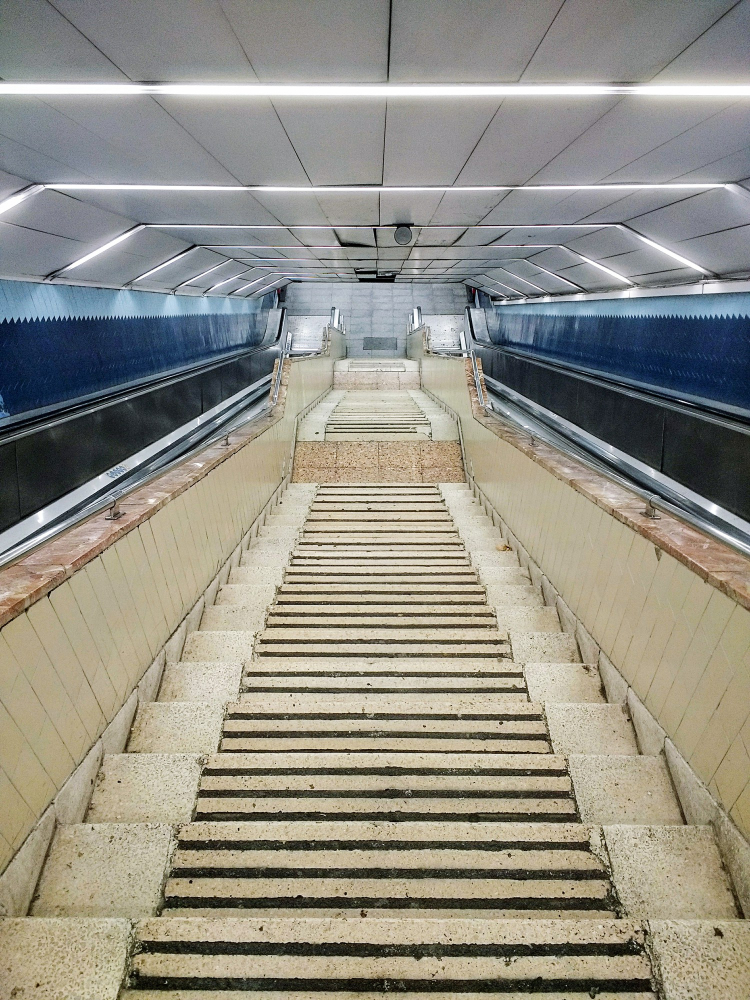
The first time you truly observe the 7 train, you stop seeing a train. You start seeing lines.
Parallel lines. Interrupted lines. Lines that accelerate, collide, and dissolve into darkness.
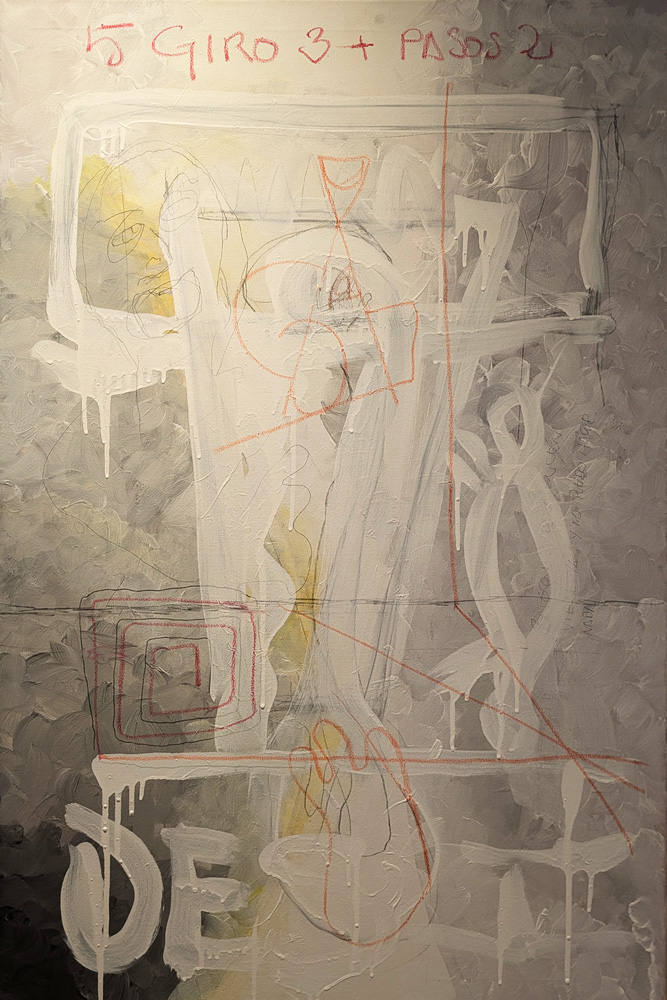
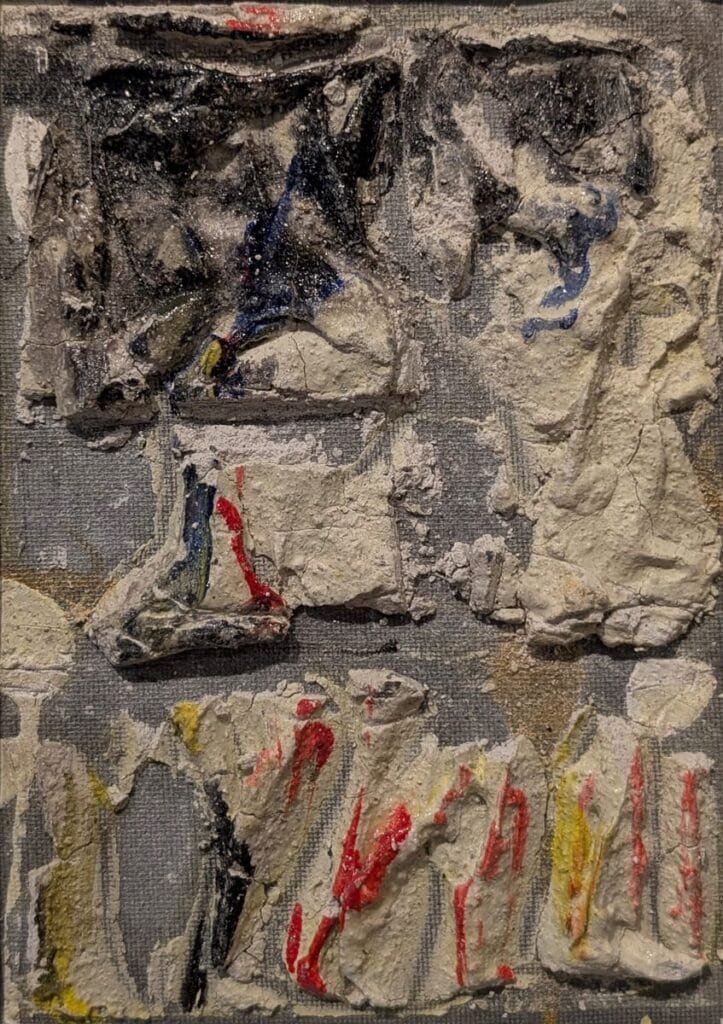
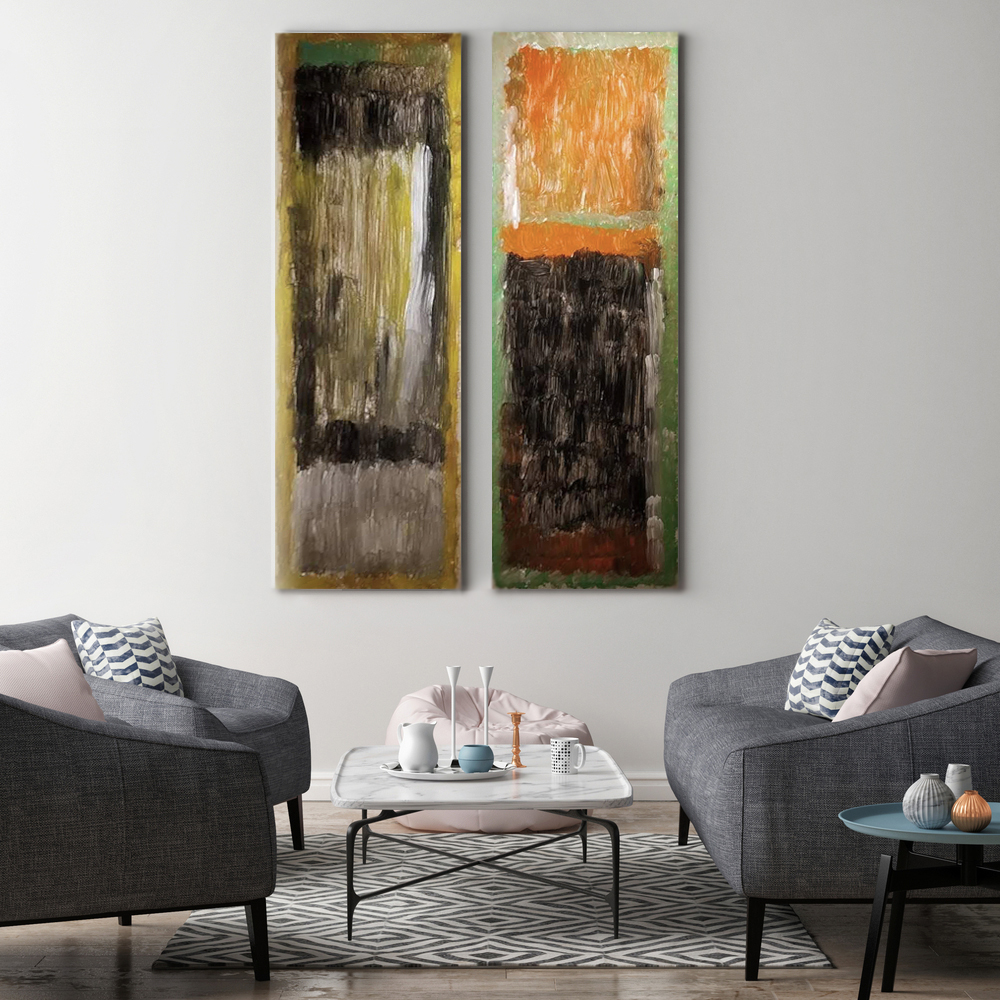
In my paintings, I translate that experience into repetitive structures and controlled chaos, where the viewer is not looking at a train but feeling the movement itself. The goal is not representation. The goal is resonance.
New York’s subway system — especially the 7 line — offers a unique visual language:
- Horizontal compression inside the wagons
- Vertical interruptions of poles and bodies
- Flickering light that fractures perception
These elements become the foundation of my compositions.
The psychology of transit
There is something deeply human about the 7 train. Not because of the people themselves, but because of the shared isolation.
Hundreds of individuals occupy the same space, yet each one remains enclosed in their own mental landscape. This contradiction — proximity without connection — is one of the central tensions in my work.
In that sense, the subway becomes more than a place. It becomes a psychological container.
My paintings explore that condition through:
- Dense layering, representing overlapping realities
- Fragmented lines, suggesting interrupted thoughts
- Muted contrasts, echoing emotional distance
The result is not a depiction of New York, but a translation of what it feels like to exist within it.
Why the 7 train matters in contemporary art
When people think of New York contemporary art, they often focus on galleries, institutions, or the legacy of movements that shaped the city. But the real source of artistic energy is still the street — or in this case, beneath it.
The 7 train connects radically different environments:
Queens. Midtown. Cultures. Economies. Identities.
It is a moving intersection, and that makes it one of the most honest representations of the city.
For an abstract artist, this is essential. Because abstraction is not about inventing — it is about distilling reality to its core structures.
And the structure here is clear:
movement, repetition, density, fragmentation.
From observation to abstraction
My process does not begin in the studio. It begins in observation — often unconscious, accumulated over time.
The metallic vibration of the train.
The rhythm of doors opening and closing.
The way light enters briefly and disappears.
All of this becomes material.
In the studio, I reduce these experiences into gestural marks and linear tensions. The canvas becomes a field where motion is suspended but never resolved.
This is important:
I am not trying to recreate the 7 train.
I am trying to preserve its energy.
The aesthetics of repetition
Repetition is often misunderstood as monotony. In reality, it is one of the most powerful tools in both urban systems and contemporary painting.
The 7 train repeats:
stations, sounds, movements, patterns.
But each repetition is slightly different.
This micro-variation is what creates intensity — and it is something I deliberately incorporate into my work through:
- Layered lines that never fully align
- Rhythmic disruptions
- Subtle shifts in density
The viewer experiences something familiar, yet unstable.
New York as a non-stop composition
If you step back, the 7 train is just one fragment of a much larger composition: New York itself.
A city built on:
- Steel structures
- Concrete masses
- Glass reflections
All of these elements behave like lines in space — intersecting, reflecting, repeating.
In that sense, my work is not about a single train line. It is about understanding New York as a continuous abstract composition, where everything is in motion and nothing is ever fully resolved.
Positioning: Abstract art inspired by New York
From a conceptual standpoint, my work sits at the intersection of:
- Abstract expressionism reinterpreted
- Urban minimalism
- Contemporary New York art culture
But more importantly, it is rooted in lived experience.
This is not an external view of the city. It is an internal translation.
For collectors and viewers in New York, this matters. Because authenticity in contemporary art is no longer about technique — it is about perception and reduction.
Conclusion: The line never ends
The 7 train does not stop. Even when it reaches the last station, the system continues.
That idea — of something that never fully concludes — is central to my work.
Each painting is a fragment of a larger, ongoing process.
A suspended movement.
A line that continues beyond the canvas.
And maybe that is what New York really is:
not a place, but a permanent state of transition.