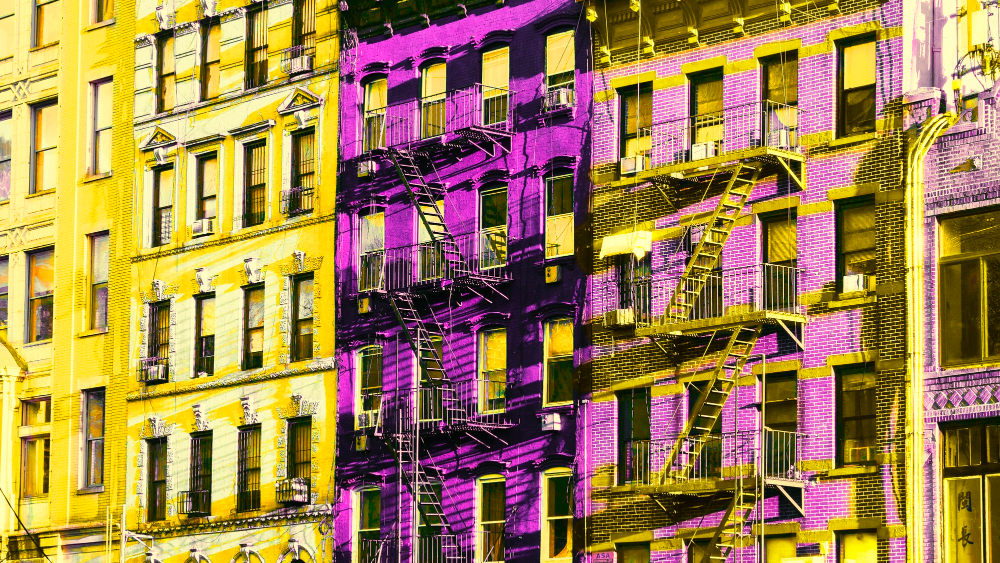
If Chelsea is the polished “White Cube” of the New York art world, Bushwick is its beating, raw heart. Walking through the streets of East Williamsburg and Bushwick feels like walking through a living canvas. The neighborhood’s DNA—repurposed factories, rusted iron, and weathered brick—is the perfect backdrop for the Brutalist and Abstract aesthetic of Felipe Peña.
To capture this energy at felipepena.art, we don’t just paint; we construct. Here is an in-depth look at the technical “tricks” and materials required to create museum-grade industrial textures that stand the test of time.
1. The Brutalist Canvas: Building the Foundation
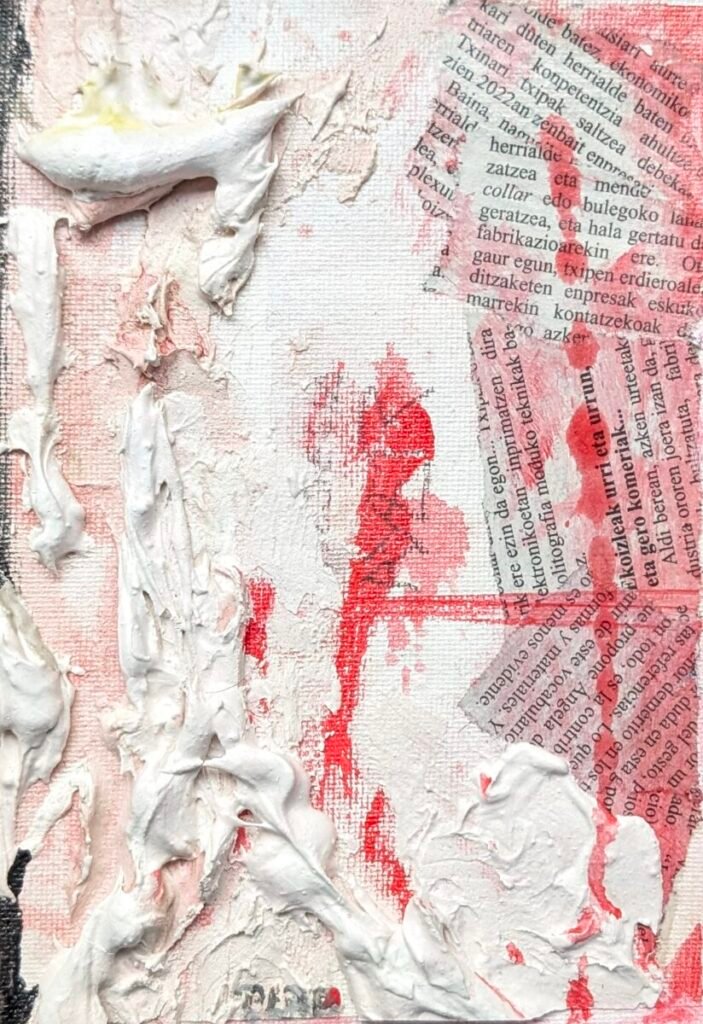
In Bushwick-inspired art, the surface is never just a flat plane. It is an architectural element. To achieve that heavy, concrete-like feel without the weight of actual cement (which would crack the canvas), we use Heavy Carveable Modeling Paste.
- The Pro Tip: I mix Golden Modeling Paste with a touch of pumice gel. This creates a “tooth” that mimics the grit of New York City sidewalks.
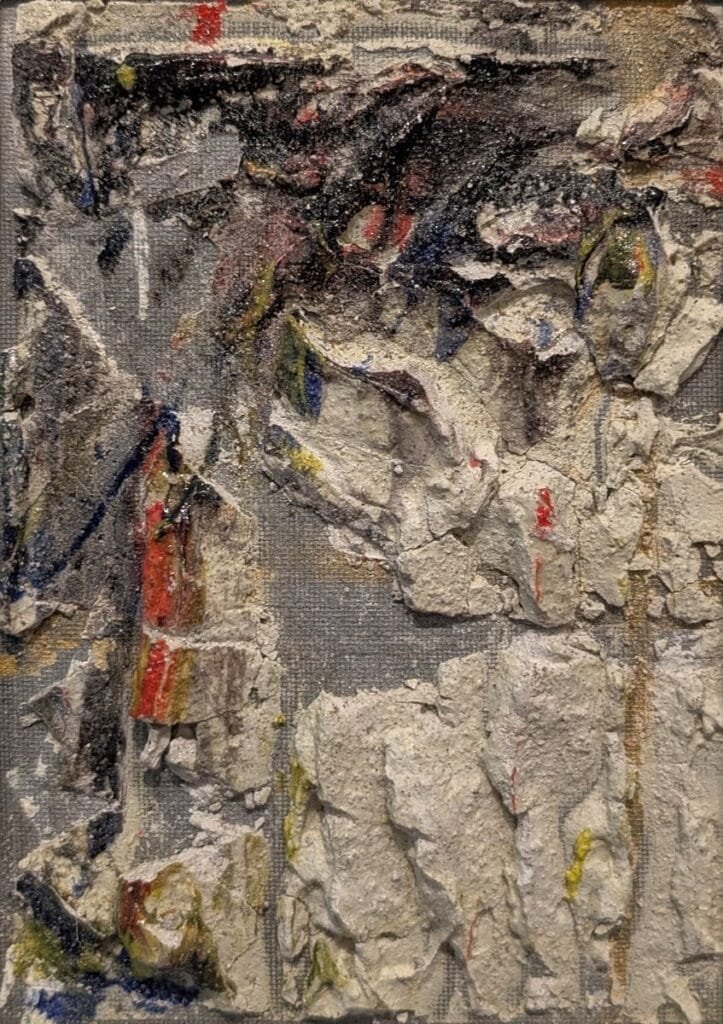
- Application: Forget the brush. To get that Brutalist edge, I use stainless steel masonry trowels and palette knives. The goal is to create “peaks and valleys” that trap light and shadow, much like the facade of an industrial warehouse.
2. Advanced Collage: Beyond Paper and Glue
In the high-end art market, “collage” isn’t just sticking things together—it’s Mixed Media Integration. For a collector in a Manhattan loft, the work must feel cohesive, not cluttered.
The Secret Ingredient: Matte Medium as an Adhesive
I never use standard adhesives. I use Liquitex Professional Matte Medium.
- Why? It is a 100% acrylic resin that acts as a permanent, non-yellowing glue.
- The Technique: I “sandwich” the collage elements (whether it’s vintage NYC newsprint, found industrial fabrics, or specialized fibers) between layers of medium. This encapsulates the material, making it an archival part of the paint film.
3. Acrylic Textures: Mimicking Oxidation and Decay
Bushwick is a landscape of rust and peeling paint. To replicate this at felipepena.art while maintaining structural integrity, we use interference colors and iron-oxide pigments.
- Oxidation Trick: I mix Iron Oxide Red with a coarse texture gel. While the paint is still “open” (wet), I spray a highly diluted solution of water and ammonia. This creates a chemical reaction that “blooms” the pigment, giving it that authentic, weathered look seen on the L-train tracks.
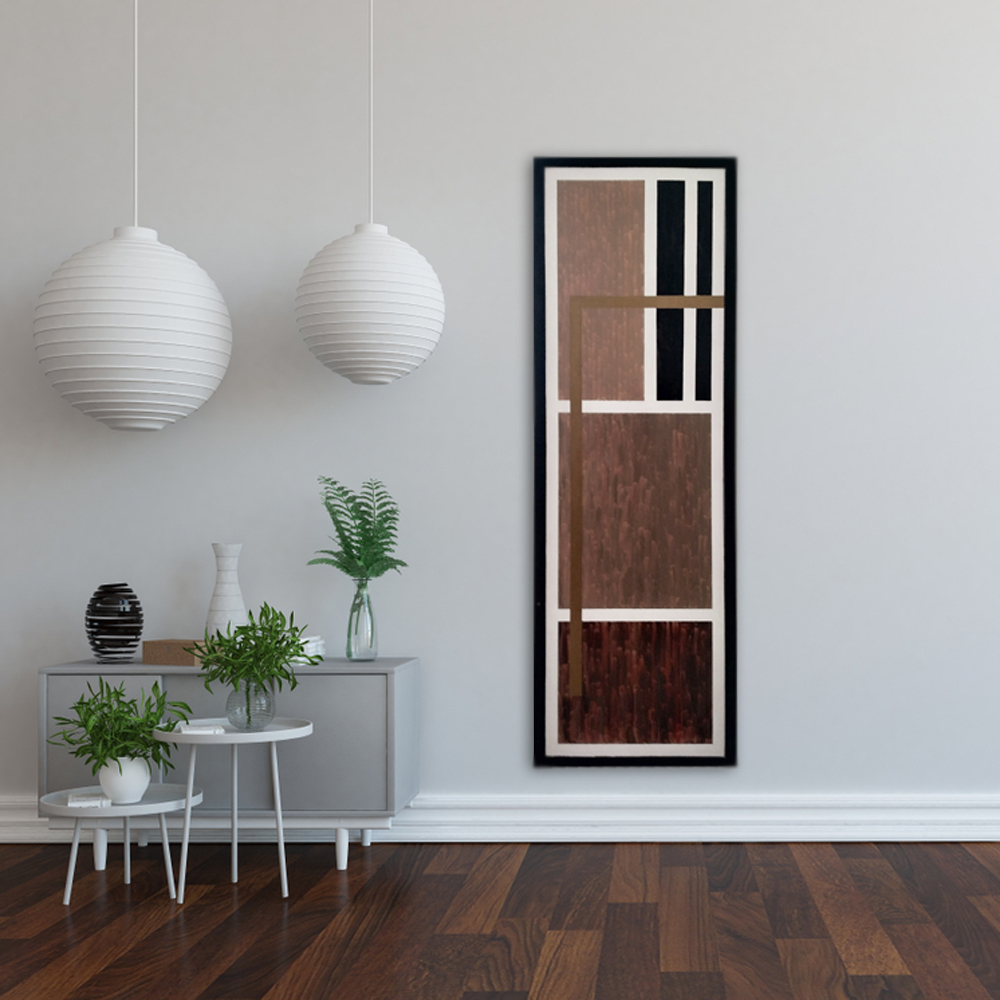
- Minimalist Contrast: To keep the work sophisticated, I balance these heavy textures with “negative space”—areas of flat, matte black or titanium white. This contrast is what makes an abstract piece look like “fine art” rather than just a messy experiment.
4. The Toolset: Industrial Brushes and Beyond
To achieve the raw strokes seen in the lofts of Morgan Avenue, I move away from delicate sable brushes.
- Chip Brushes: Inexpensive, stiff-bristled brushes are perfect for “dry-brushing” over textures to highlight the ridges.
- Squeegees: Borrowed from the world of screen-printing, a large squeegee allows me to drag massive amounts of heavy-body acrylic across the canvas, creating those sweeping, architectural lines characteristic of Felipe Peña’s style.
5. Ensuring Longevity: The Collector’s Peace of Mind
A common fear with textured, collage-heavy work is that it will flake or attract dust.
- Flexibility: I use GAC 100 (a specialized acrylic polymer) to increase the flexibility of the paint. This ensures that even if the canvas expands or contracts with the New York seasons, the heavy textures won’t crack.
- The Final Seal: For these industrial pieces, I avoid high-gloss finishes. I prefer a Satin UV Topcoat. It protects the collage elements from fading while maintaining that “raw,” non-plastic look that defines the Bushwick aesthetic.
Conclusion: Bringing Bushwick into Your Space
Every piece at felipepena.art is a dialogue between the chaos of the city and the precision of the studio. By mastering these industrial materials—from heavy pastes to archival adhesives—we ensure that the raw beauty of a Brooklyn street corner is transformed into a sophisticated, permanent investment for your collection.
When you buy a Felipe Peña, you aren’t just buying a painting; you are buying a piece of New York’s structural soul, built to last a lifetime.